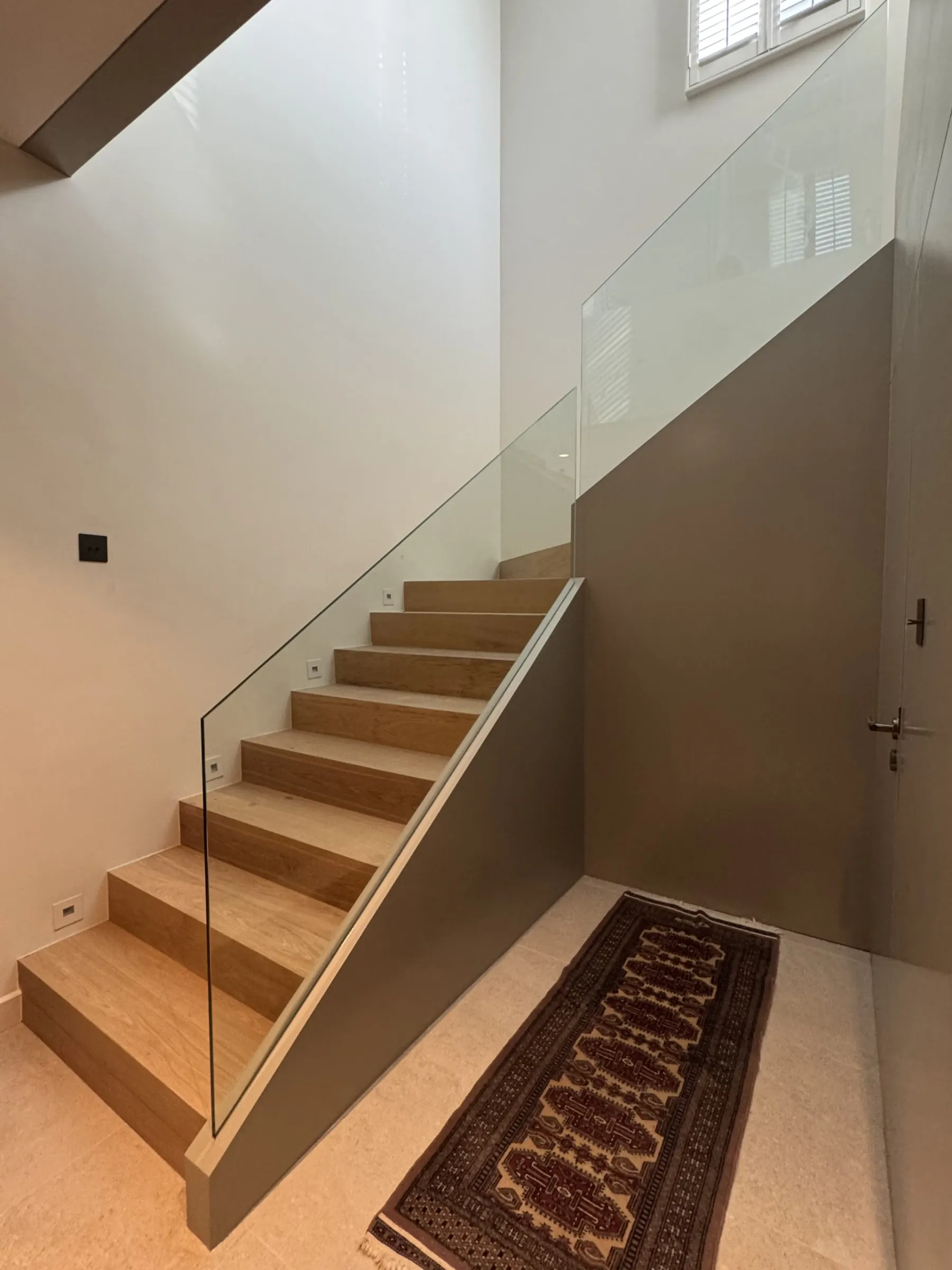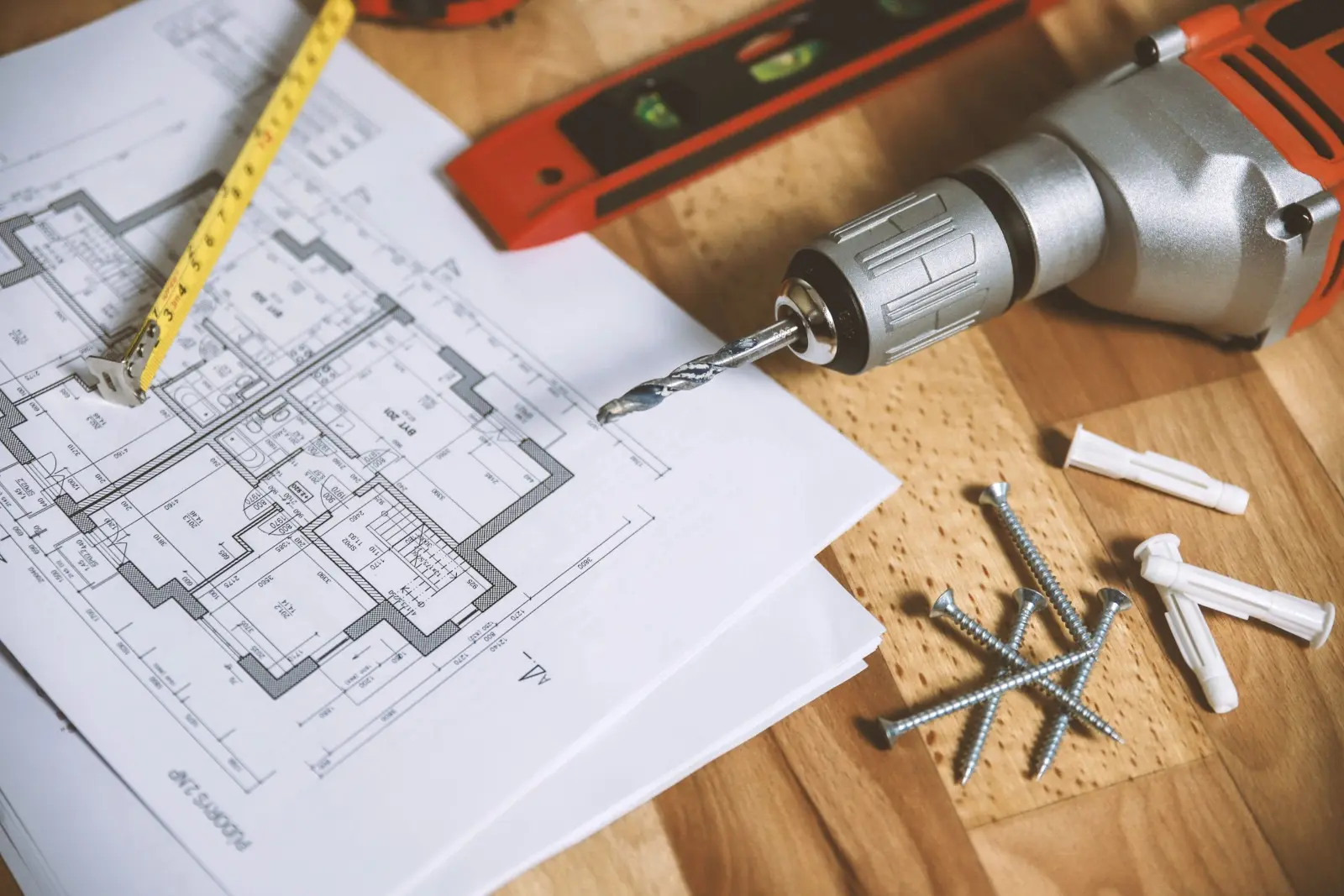
FIT OUT AND RENOVATION PROJECT MANAGEMENT IN DUBAI
Project management in Dubai from a contractor that has run its own sites since 1984 – one point of contact for design, approvals, trades, programme and handover, whether we build it or someone else does.
Project management in Dubai means one accountable person running the scope, the budget, the programme, the approvals and the trades from brief to handover, so the client is not coordinating six contractors. Abdulla Carpentry EST manages fit-out and renovation projects across the city with its own site engineers, and because we run 25 trades in-house we know what a programme can actually hold.
Full management of a residential renovation runs 8 to 15% of construction value and a commercial fit-out 5 to 12%. Where we build the project ourselves, management is included in the contract at no separate fee. Design and approvals management alone is AED 6,500 to 35,000, and full-time site supervision AED 14,000 to 32,000 per month.
PROJECT MANAGEMENT COMPANY DUBAI
Project management in Dubai sells you one thing: a single person who is answerable when something goes wrong. Fit out project management and construction project management are the same discipline at different scales – somebody has to hold the scope, the money, the dates and the quality in one head, and make the calls when two of them conflict.
Most renovations that go badly in this city do not fail on workmanship, and that is the case for project management in Dubai in one sentence. They fail because the joiner templated before the tiler finished, the AC drawings never went to the landlord, or nobody noticed the long-lead item until week six. A renovation project manager exists to catch exactly those things.
We come at this from the contracting side rather than the consultancy side. That is a real difference: our programmes are built by people who have had to deliver them, so the durations are honest and the sequence is one that trades can actually work to. We cover Business Bay, DIFC, Downtown, Dubai Marina, JLT, Al Quoz, Jebel Ali, Dubai Hills, Arabian Ranches, Damac Hills and Palm Jumeirah.
TURNKEY FIT OUT AND RENOVATION
Turnkey is the simplest form of project management in Dubai: you hand over a brief and take back a finished space. Turnkey fit out and end-to-end project delivery put design, procurement, construction and handover under one contract with one point of contact and a single contractor carrying the risk – which is the main reason clients choose it over appointing trades separately.
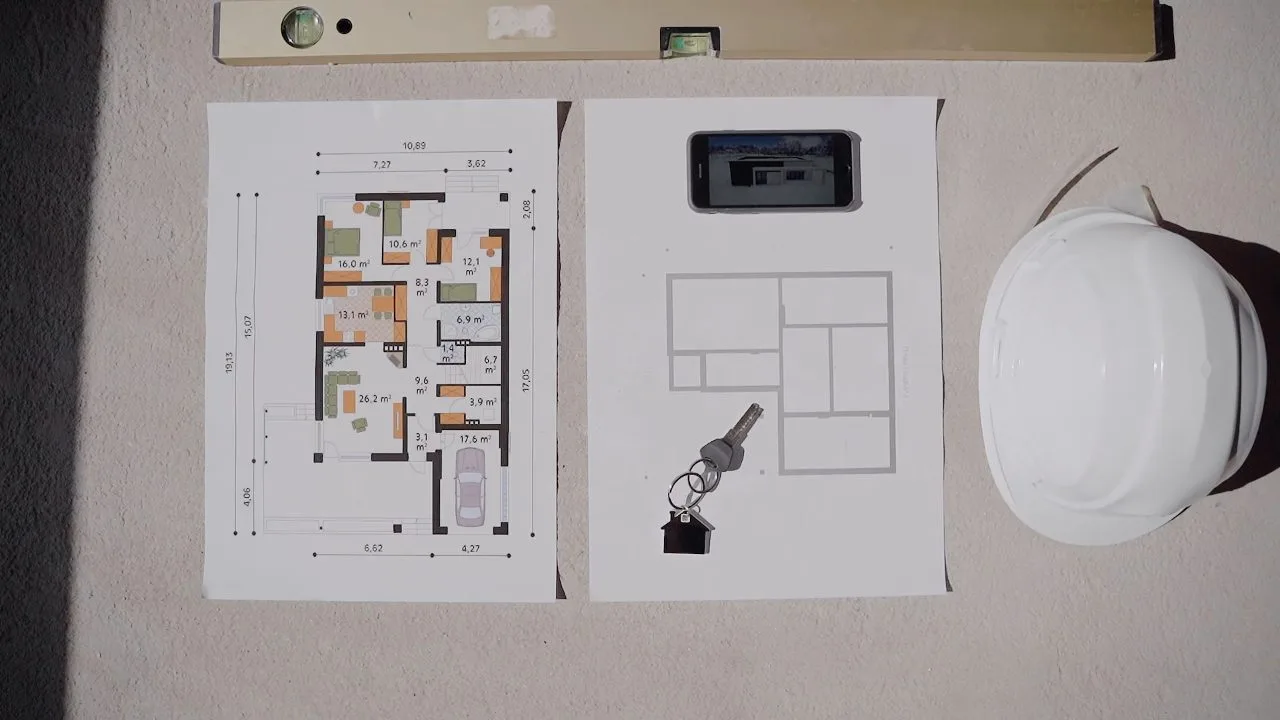
Design and build project management is the version where the design develops alongside the build rather than ahead of it. Design to handover and concept to completion sound like slogans, but in practice they mean one team owns the drawings, the cost plan and the site, so a change on paper is priced and programmed the same week rather than discovered on site two months later.
The honest trade-off: turnkey buys you speed and a single point of accountability, and costs you some of the competitive tension you get from tendering each package. Where a client wants that tension back, we will manage a tendered build instead and say so plainly rather than steer them into our own contract.
DESIGN, PLANNING AND BUDGETING
Project management in Dubai starts with a written scope of works, because almost every dispute later traces back to something nobody wrote down. From the scope we build a BOQ, a cost estimate and a budget that separates construction cost, authority fees, consultant fees and a contingency – and we keep those four apart on every report rather than quoting one blended number.
Within project management in Dubai, budget control and cost management are continuous, not a one-off estimate. Committed cost, spent cost and forecast final cost are tracked as three separate figures, so you can see a project drifting while there is still time to act instead of at the final account.
Value engineering is the part most often done badly. Done well it means finding the same look for less money – a different stone with the same tone, a veneer instead of solid, the panel layout redrawn so sheets cut with less waste. Done badly it is just cheaper materials with the specification quietly dropped. We put every option in writing with what you gain and what you give up, and the client decides.
APPROVALS, PERMITS AND NOCs
Permits and approvals are where project management in Dubai earns its fee, because this is where renovations lose the most time, and the sequence matters more than the paperwork. Dubai Municipality governs the building permit for structural and layout change. A developer NOC from Emaar, Nakheel or Damac comes first in most communities, and free zones have their own authority – DDA, Trakhees, DMCC or JAFZA – instead of the Municipality. DCD approval covers fire and life safety, and malls run their own fit-out approval teams with their own drawings and deadlines.
We prepare and lodge these submissions as part of the service, and the drawings go in as a coordinated set rather than trade by trade. What we cannot do is sign on the owner’s behalf: the landlord or owner signs the NOC, and the authority fees and refundable deposits are paid by the client at cost. Anyone promising otherwise is describing someone else’s process.
Building management coordination runs alongside. The owners’ association sets working hours, the access permits and gate passes have to match the crew on the day, and working hours compliance is enforced by security rather than negotiated. Getting those three right is what keeps a site running on the days it matters.
SITE SUPERVISION AND QUALITY CONTROL
Site supervision under project management in Dubai is either part time or full time, and the choice is about risk rather than budget. A site engineer visiting two or three times a week suits an apartment renovation with a settled design. A full-time project engineer is worth it on a villa or a commercial fit-out where several trades are working at once and a wrong decision on Tuesday is buried behind plaster by Thursday.
Daily site visits sound like a service, and in project management in Dubai they are only worth paying for if something is actually checked. What matters is what gets checked on them: setting out against the drawing before anything is fixed, levels and falls before screed, first fix against the services layout before close-up, and substrate condition before any finish goes on. Quality control is cheapest at those four moments and expensive at every moment after.
Quality assurance also covers what arrives. Material deliveries are inspected against the approved sample, not against the order – the same product code can arrive in a different batch and a different shade. Inspection records and photographs are kept for each stage so the handover file shows what was behind the finish, which matters a great deal when something needs opening up two years later.
TIMELINE, SCHEDULING AND PROGRESS REPORTING
In project management in Dubai a timeline is only useful if it is specific enough to be wrong. We build a project schedule as a Gantt chart with named milestones, float shown honestly and the long-lead items on it from day one, because the stone, the glass and the bespoke joinery are usually what decides the finish date rather than the site labour.
On-time delivery comes from protecting the critical path, not from pushing everyone to work faster. A fast-track fit out overlaps design and construction deliberately to save weeks – it works, and it costs you flexibility later, because decisions get locked earlier than clients expect. We will say which weeks a fast-track actually saves rather than selling it as free speed.
Reporting is the visible half of project management in Dubai. Progress reports go out weekly with photo reports attached, and most clients also get WhatsApp updates on the days something is being inspected or poured. A client dashboard with the programme, the cost position and the open decisions is available on larger projects – please confirm the reporting format with our office when you appoint, so it is set up the way you want from week one.
HOW A MANAGED PROJECT RUNS
Project management in Dubai should be a published sequence. Every project of ours follows the same five steps, from a one-room refit to a full commercial floor.
Brief and site visit
We walk the property and agree the scope of works.
Scope and cost plans
The works are written up, and priced line by line.
Approvals lodged now
The drawings go to the landlord and the authority.
Build then supervise
Trades are sequenced, inspected and then reported.
Snagging to handover
Defects are closed and the paperwork is handed on.
Change management is the step with no box on that diagram, because it happens throughout. Scope changes are handled as written variation orders priced before the work starts, never after – cost transparency means you approve a number, not discover one. No hidden costs is an easy thing to put on a website; the test is whether the contractor will put the variation in writing before instructing the trade, and we do.
Consultant coordination is included where you have appointed your own team. Architect and interior designer coordination means we run the information flow – queries raised, answers chased, drawings revised and reissued to site – rather than letting the designer and the builder talk past each other. We also do contractor management on the client’s behalf, where somebody else is building and you want an independent pair of eyes on quality, valuations and programme.
SUBCONTRACTOR AND SUPPLIER COORDINATION
Subcontractor management is the daily work of project management in Dubai, and it is mostly sequencing and interfaces. Trade coordination means deciding who owns the gap between two packages before either one starts – who chases the wall for the cistern, who cuts the ceiling for the grille, who makes good after the electrician. Those gaps are where money leaks and where programmes slip.
MEP coordination is the one that bites hardest. Services drawings have to be overlaid against ceiling and joinery setting-out before anything is fixed, because a duct and a bulkhead will occupy the same 200 mm and only one of them can move cheaply. We run that overlay on paper first, which costs a day and routinely saves a fortnight.
Supplier management covers material procurement and delivery scheduling, and the discipline is simple: order against approved samples, confirm lead times in writing, and schedule deliveries to the site’s access windows rather than the supplier’s convenience. A pallet of tile that arrives on a day with no lift booking is a cost, not a delivery.
Health and safety sits across all of it. Method statements and risk assessments are prepared for the work that needs them – hot works, core drilling, anything at height – and we work with insured subcontractors. Ask our office for the current insurance certificates and limits before you appoint rather than assuming the cover from this page. See our MEP and civil works pages for the trades we run directly.
VILLA AND APARTMENT RENOVATION MANAGEMENT
Project management in Dubai for homes splits in two. Villa renovation project management and apartment renovation management differ mainly in who can stop you: an apartment is governed by the building – service lift slots, working hours, noise windows and a security desk that will send a crew home. A villa is governed by the community and the authority, where the permit matters more than the lift.
Absentee owner and overseas owner renovations are a large part of this work and need a different reporting rhythm – dated photo sets, decisions bundled so you answer several at once rather than daily, and a named person who will pick up the phone in your timezone. We will not ask an overseas client to approve a finish from a phone photograph where the colour matters; samples get couriered or a video call is booked in daylight.
Landlord renovation management, where the owner is preparing a property to let or sell, is a different brief again. There the question on every line is whether the spend comes back in rent or price, and the right answer is often to do less than the client first asked for. We will say so.
OFFICE, RETAIL AND RESTAURANT FIT OUT MANAGEMENT
Commercial project management in Dubai is run against a handover date that someone has already promised staff or a landlord. Shell and core to fit out means starting with a concrete box and no services, so the programme is long and the approvals heavy. Working into an existing floor is shorter but tighter, because the building is occupied around you.
Tenant fit out coordination is the piece clients underestimate. Landlord-tenant works have to be split clearly: Cat A is the landlord’s base build – raised floor, ceiling grid, basic services. Cat B is yours: the layout, the joinery, the branding, the final services. Agreeing in writing which side of that line each item sits on, before work starts, prevents the argument that otherwise arrives at the end.
Retail fit out management and restaurant fit out management both run against a trading date and a mall or landlord approval team. Restaurants carry the heaviest load: kitchen extract, grease traps, gas and the Municipality’s food-premises requirements all have to be designed in rather than added later. See the gypsum works and electrical pages for the packages behind most commercial programmes. Clinic fit out management has its own health-authority layer, and specialist medical equipment is coordinated with its own supplier rather than taken on by us.
SNAGGING, HANDOVER AND WARRANTY
Snagging closes out project management in Dubai, and it is a trade in its own right rather than a walk-round at the end. A proper snag list is produced room by room against the specification, numbered and photographed, then issued to the trades with a date. De-snagging is the second pass that confirms each item is actually closed rather than marked closed.
We also carry out independent snagging inspection on properties we did not build – a new handover from a developer, or a contractor’s work the owner wants checked before final payment. That report is written for the client, not to protect a builder, and it is priced per property.
The handover inspection ends with documentation, and this is where most Dubai projects are weakest. Handover documentation should include as-built drawings showing what was actually installed rather than what was drawn, O&M manuals for the equipment, testing and commissioning records, warranty certificates and the approved material schedule. We assemble that pack as a deliverable with a price against it, alongside any making good the close-out needs.
The defects liability period and the warranty that follows are only as good as the paperwork behind them. After-handover support means a named contact for the defects period and a documented route for reporting an issue, so a warranty claim is a process rather than a negotiation.
PROJECT MANAGEMENT COST IN DUBAI
The cost of project management in Dubai is charged either as a percentage of project cost or as a fixed fee for a defined piece of work. The percentage suits full management, where the manager’s work scales with the job. A fixed fee suits a bounded scope – approvals only, a cost-plan review, a snagging inspection. Where we build the project ourselves, management is included in the turnkey price and does not appear as a separate line.
| Service | Basis | Typical range |
|---|---|---|
| Full management, residential renovation | % of construction value | 8 – 15% |
| Full management, commercial fit-out | % of construction value | 5 – 12% |
| Management where ACE also builds | included | Included in contract |
| Design and approvals management only | per project | AED 6,500 – 35,000 |
| Authority and landlord submissions | per project | AED 2,500 – 15,000 |
| Cost planning and tender review | per project | AED 3,500 – 18,000 |
| Site supervision, part time | per week | AED 2,500 – 6,500 |
| Site supervision, full time | per month | AED 14,000 – 32,000 |
| Independent snagging inspection | per property | AED 1,200 – 6,500 |
| Handover documentation pack | per project | AED 1,500 – 6,000 |
| Third-party contractor review | per report | AED 2,500 – 9,000 |
Residential percentages sit above commercial ones for a reason: a villa renovation has more decisions per dirham than an office floor, and the manager’s time does not fall in proportion to the budget. Figures exclude VAT and exclude authority fees and deposits, which are paid at cost. The percentage is applied to construction value, not to the total including fees.
USEFUL REFERENCES
The authorities and developers whose rules decide what a Dubai project can do and when. Check the community or free-zone requirements before a programme is fixed, because they govern the dates more than the trades do.
PROJECT MANAGEMENT IN DUBAI: 12 BEST EXPERT ANSWERS
What does a fit out project manager do in Dubai?
A fit-out project manager owns the scope, the budget, the programme, the approvals and the trades, so the client has one person to ask rather than six. In practice the day is spent on sequencing, chasing approvals and inspecting work before it is covered up. The role exists because most Dubai renovations fail on coordination rather than workmanship – the joiner templating too early, the landlord drawings never submitted, the long-lead item ordered in week six.
How much does project management cost in Dubai?
Full management of a residential renovation runs 8 to 15% of construction value, and a commercial fit-out 5 to 12%. Residential sits higher because a villa has more decisions per dirham than an office floor. Bounded pieces of work are a fixed fee instead: design and approvals management AED 6,500 to 35,000, cost planning and tender review AED 3,500 to 18,000, independent snagging AED 1,200 to 6,500. Where we build the project, management is included in the contract.
Can you manage my villa renovation while I am overseas?
Yes, and a good part of this work is for owners who are not in the country. You get dated photo sets, decisions bundled so you answer several at once rather than daily, and a named person who will take a call in your timezone. Where a decision turns on colour or texture we courier the sample or book a video call in daylight rather than ask you to approve from a phone photograph. We do not sign the NOC for you – the owner has to do that.
Who handles Dubai Municipality and developer approvals during a renovation?
We prepare and lodge the submissions as part of the management service, and the drawings go in as one coordinated set rather than trade by trade. The sequence usually runs developer NOC first, then Dubai Municipality or the free-zone authority, then Civil Defence. The owner or landlord signs the NOC, and the authority fees and refundable deposits are paid by the client at cost – we handle the process, not the signature or the payment.
Do I need a project manager if I already have a contractor?
Not always, and we will say so if not. A single-trade job with a settled design does not need one. Where it earns its fee is when several trades overlap, when the design is still moving, when the owner is away, or when the contract value is large enough that an unchecked valuation costs more than the fee. We also do contractor management on the client’s behalf, reviewing someone else’s quality, valuations and programme without touching the build.
What is the difference between Cat A and Cat B fit out?
Cat A is the landlord’s base build – raised floor, ceiling grid, basic lighting and services to a lettable standard. Cat B is the tenant’s: layout, partitions, joinery, branding, final services and furniture. The argument that arrives at the end of most office projects is about which side of that line an item sits on, so we agree the split in writing with the landlord before work starts rather than when the invoice appears.
How long does a typical Dubai renovation take?
An apartment refresh is usually six to ten weeks on site once approvals are through. A full villa renovation or a commercial fit-out commonly runs twelve to twenty weeks including approvals. The variable is almost never the labour – it is the approval route and the long-lead items. Stone, glass and bespoke joinery decide finish dates more often than site productivity does, which is why they go on the programme from day one.
What happens when the scope changes mid-project?
It gets priced before anyone picks up a tool. A variation order is written, costed and sent for approval, and the trade is instructed only once you have agreed it. That discipline is what keeps a final account close to the contract sum. Changes also carry time, not just money, so the variation states the programme effect as well as the cost – a two-day item that pushes a critical-path trade can cost a week.
Do you provide site supervision without managing the whole project?
Yes. Part-time supervision is AED 2,500 to 6,500 per week and suits an apartment with a settled design where two or three visits a week is enough. Full-time supervision is AED 14,000 to 32,000 per month and is worth it on a villa or commercial fit-out where several trades work at once. The engineer inspects, records and reports, and raises problems to you rather than resolving them with the contractor behind your back.
What documents should I get at handover?
As-built drawings showing what was actually installed rather than what was drawn, O&M manuals for the equipment, testing and commissioning records, warranty certificates and the approved material schedule. Most Dubai projects hand over a fraction of that. We assemble the pack as a priced deliverable at AED 1,500 to 6,000, because the defects period and any future warranty claim are only as good as the paperwork behind them.
Can you snag a property you did not build?
Yes – independent snagging inspection is one of our most requested services, priced AED 1,200 to 6,500 per property. It covers a developer handover before you accept keys, or a contractor’s work you want checked before releasing final payment. The report is written for the client rather than to protect a builder, numbered and photographed room by room so it can be issued straight to whoever has to fix it.
Which areas of Dubai do you cover?
All of it, from the Ras Al Khor base – Business Bay, DIFC, Downtown, Dubai Marina, JLT, Al Quoz, Jebel Ali, Dubai Hills, Arabian Ranches, Damac Hills and Palm Jumeirah among them. Project management in Dubai is where the bulk of our work sits, and we take projects in the other emirates case by case once we know the approval route. Completed projects and before-and-after case studies can be sent on request.
BOOK A FREE PROJECT ASSESSMENT
Project management in Dubai should start with an honest answer, so a free consultation and project assessment is the starting point: we look at the property, the drawings and the budget, and tell you whether the project needs full management, supervision only, or nothing at all. Completed projects and before-and-after case studies are available on request.