Home › Residential › Prayer room
Prayer rooms in Dubai, oriented, quiet and clean
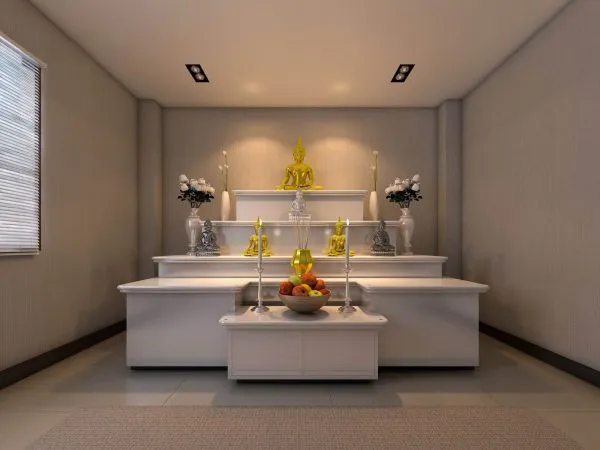
Musalla rooms set out to the qibla, with ablution provision, storage for prayer mats and copies of the Qur’an, soft and easily cleaned flooring, panelling, gentle lighting and acoustic calm.
What a prayer room involves and what it costs
A prayer room or musalla in a Dubai home covers setting the room out to the qibla, floor covering suitable for prostration and easy to keep clean, storage for prayer mats, copies of the Qur’an and prayer garments, ablution provision nearby, wall panelling or a mihrab detail, soft lighting and acoustic quiet. Expect AED 12,000 to 35,000 for a fitted prayer room and AED 35,000 to 90,000 where joinery, panelling and a dedicated ablution area are included. Abdulla Carpentry EST sets out the room to a surveyed qibla direction rather than an assumed one.
The first thing a prayer room needs is the right orientation, and it is worth establishing properly rather than approximately. We take the qibla bearing for the specific address and set the room out to it — the carpet direction, the panelling, any mihrab niche and the position of the joinery all follow from that line, so the room reads correctly and nobody is praying at an angle to the walls.
The second is cleanliness, which is practical rather than decorative. The floor is where the forehead goes, so it needs a covering that can be cleaned easily and does not hold dust — a dense low-pile carpet or a fitted prayer carpet over a proper underlay, or a hard floor with fitted mats. Shoes come off before the room, so a threshold detail and somewhere to leave them matters.
And the third is quiet. A prayer room next to a majlis or a living room with a hollow door will carry every sound from the house. An insulated partition and a solid core door with seals cost very little during a renovation and make the room what it is meant to be.
 Surveyed qiblaRoom set out to the bearing
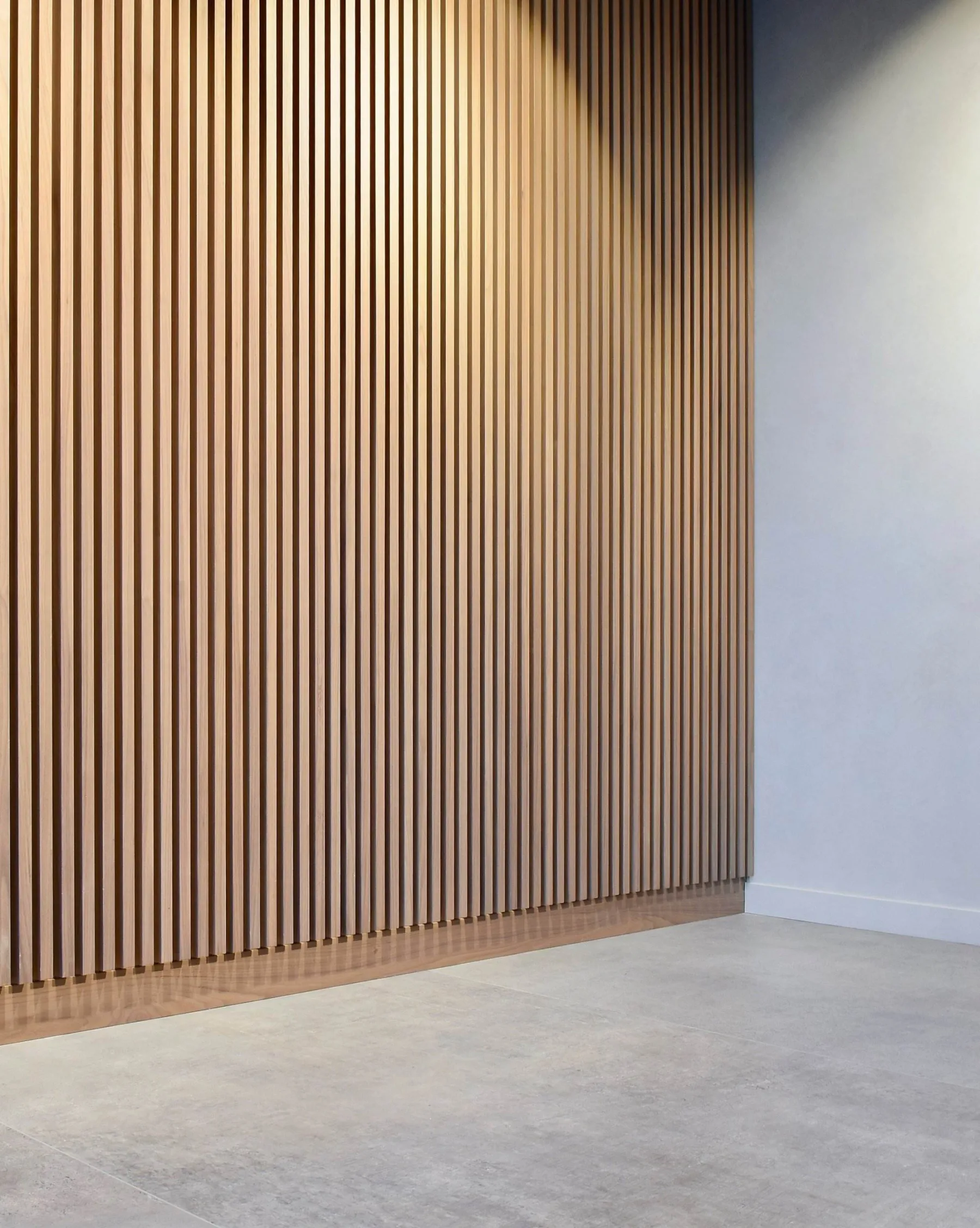
The elements of a prayer room
A musalla is a simple room and the details are what give it its character. Everything here is either practical or about calm.
Orientation and setting out. The qibla bearing established for the address, and the carpet, panelling and any niche aligned to it. Where the room geometry does not align with the bearing, the carpet direction takes priority and the joinery is set out to follow it.
Flooring. A dense low-pile fitted carpet or a fitted prayer carpet over underlay, which is warm, quiet and comfortable for prostration. Where a hard floor is preferred, a wipeable surface with fitted mats and a soft underlay beneath them.
Storage joinery. A cabinet or shelving for prayer mats, copies of the Qur’an on a shelf above waist height, prayer garments, tasbih and incense, with a section that closes so nothing is left exposed to dust.
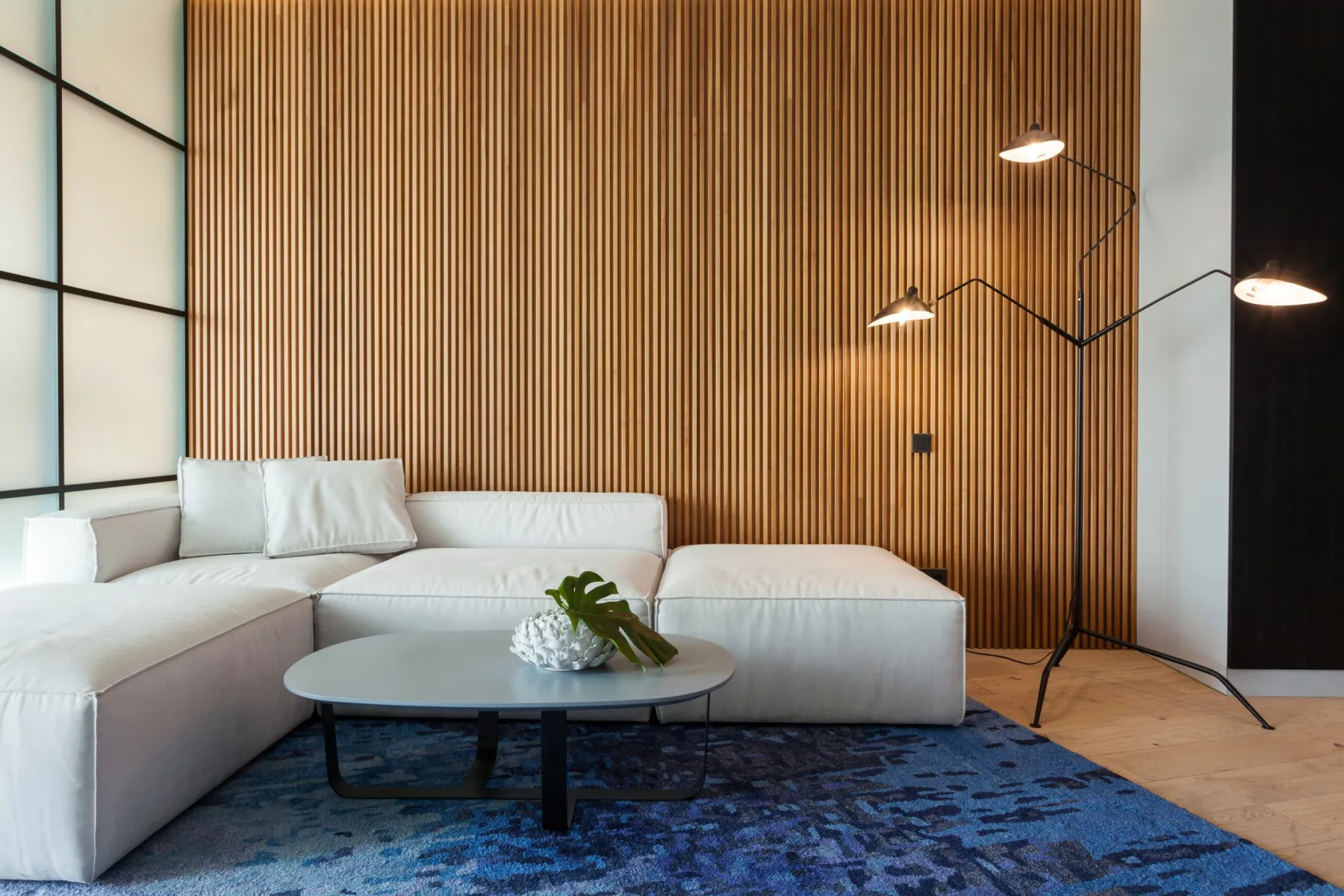

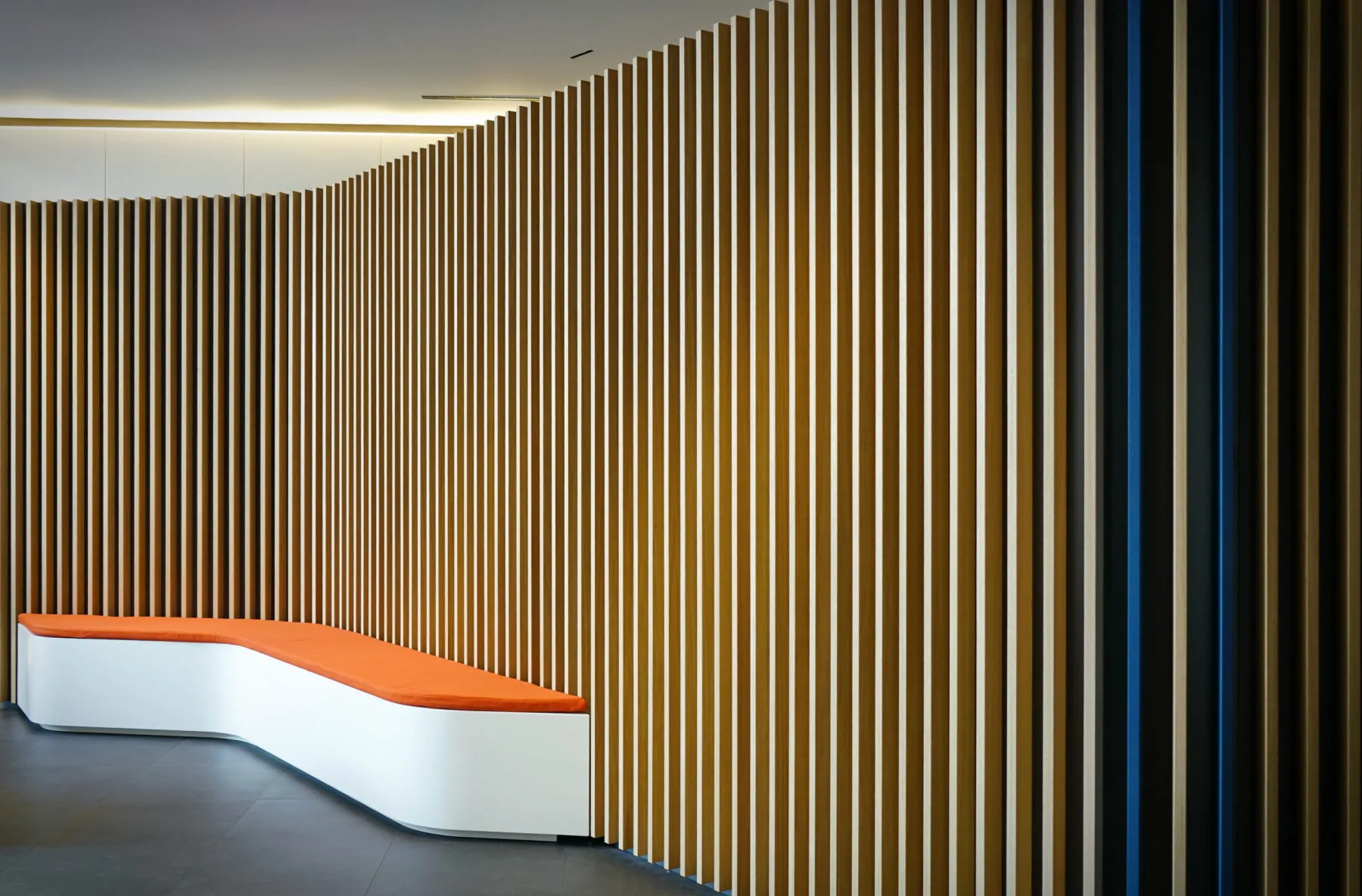
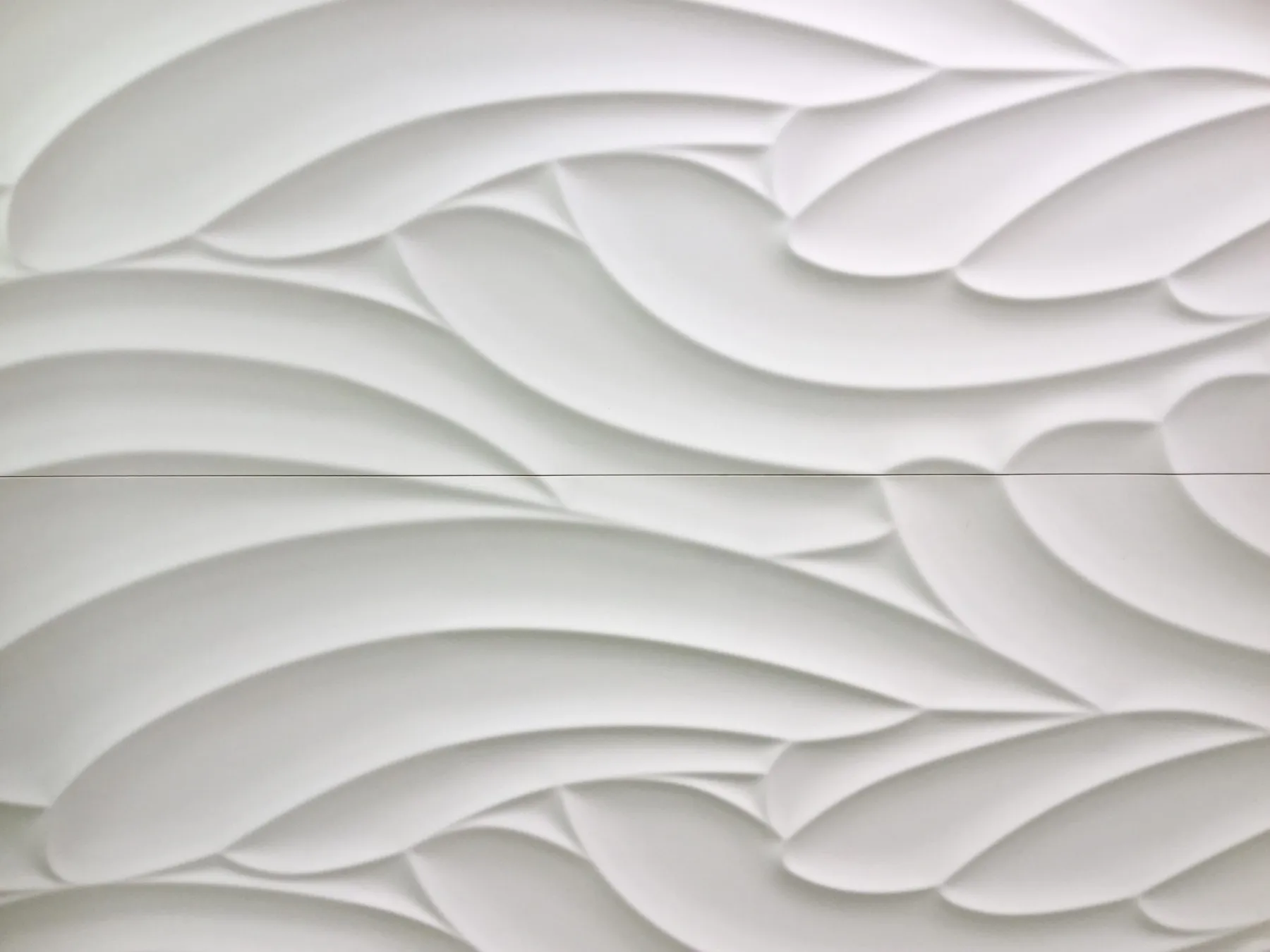
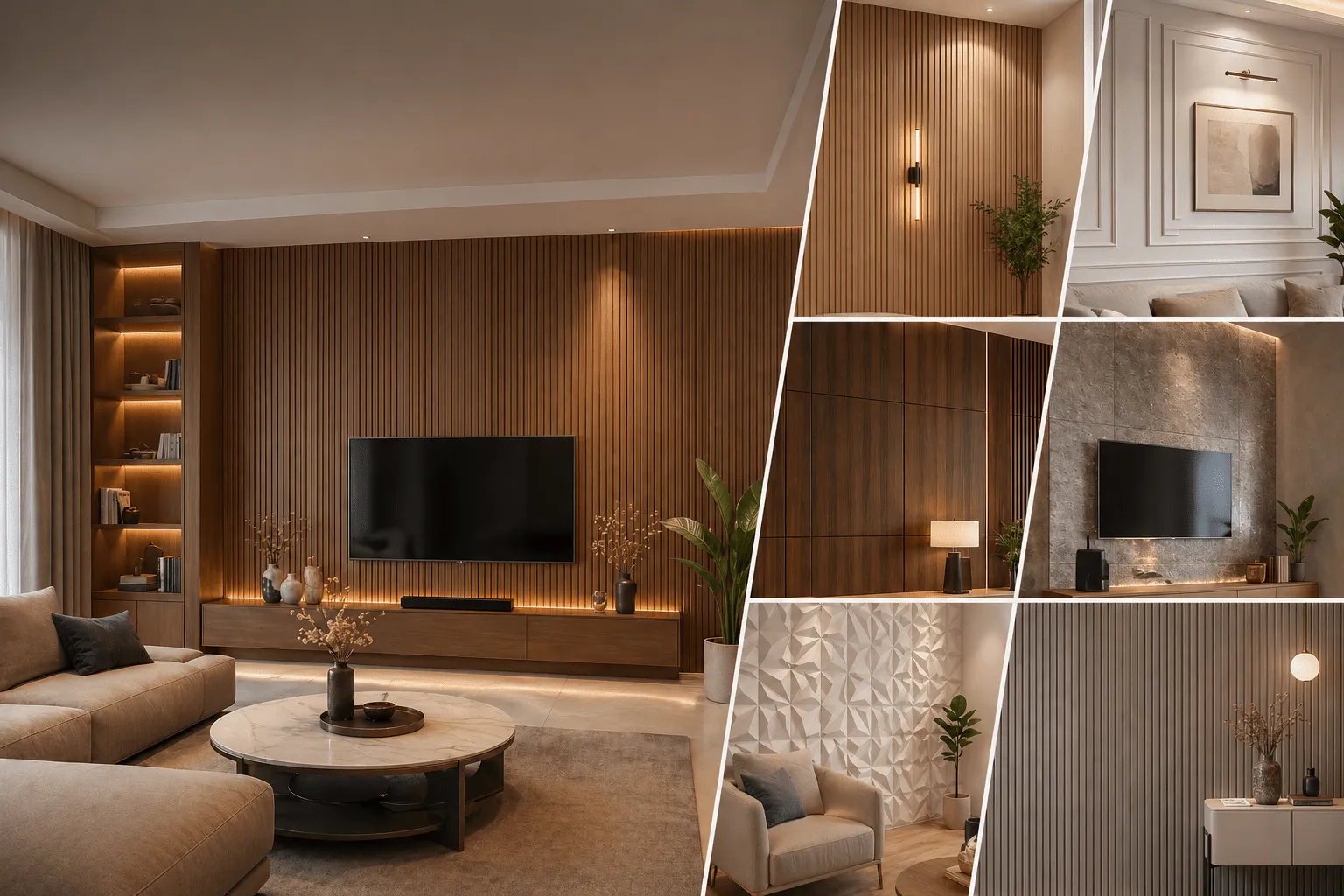
Mihrab and panelling. A recessed niche or a panelled feature on the qibla wall, in timber, plaster or stone, often with concealed lighting. Restrained rather than elaborate is usually right in a home. See wall panelling.
Ablution provision. Wudu facilities nearby — a dedicated wudu area with a low tap, a seat and a drained floor, or a well-placed guest bathroom. A dedicated area needs waterproofing and a floor drain. See waterproofing.
Lighting, ventilation and acoustics. Soft, dimmable, warm lighting rather than bright downlights; good ventilation and air conditioning that is quiet at floor level; and an insulated partition with a sealed solid core door so the room is genuinely calm.
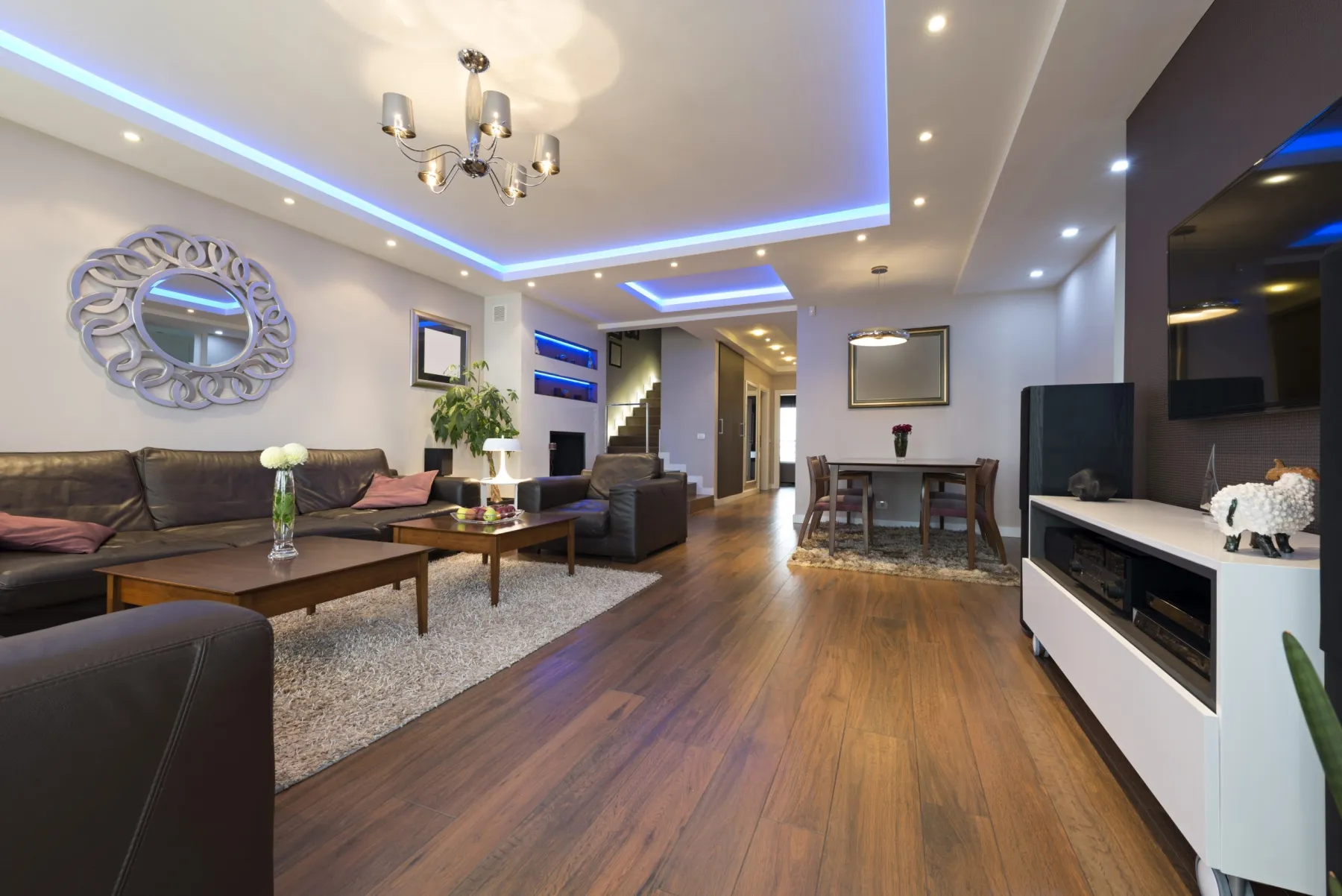

Air, sound and light at floor level
A prayer room is used at floor level, which changes what matters about it. Air conditioning that is comfortable standing up can be unpleasant kneeling, because cold air falls. A diffuser blowing down into the centre of a small room puts a draught exactly where people are, so we position or change the diffuser to throw along the ceiling instead. See HVAC services.
Noise is the other floor-level consideration. Sound from adjoining rooms and from above carries into a quiet space very noticeably. A double-boarded insulated partition built to the slab, a solid core door with an acoustic seal set and a drop seal, and a soft floor covering together make a room that is genuinely quiet rather than merely separate.
Lighting should be warm, dimmable and indirect. A cove, a wall washer on the qibla wall or a shaded fitting gives a calm light; a grid of bright downlights above a kneeling person is the opposite of what the room is for. A dimmer allows the same room to work for early morning and for late night.
And ventilation, particularly where incense is used — a small extract or a transfer path prevents the smell settling permanently into the carpet and the joinery.
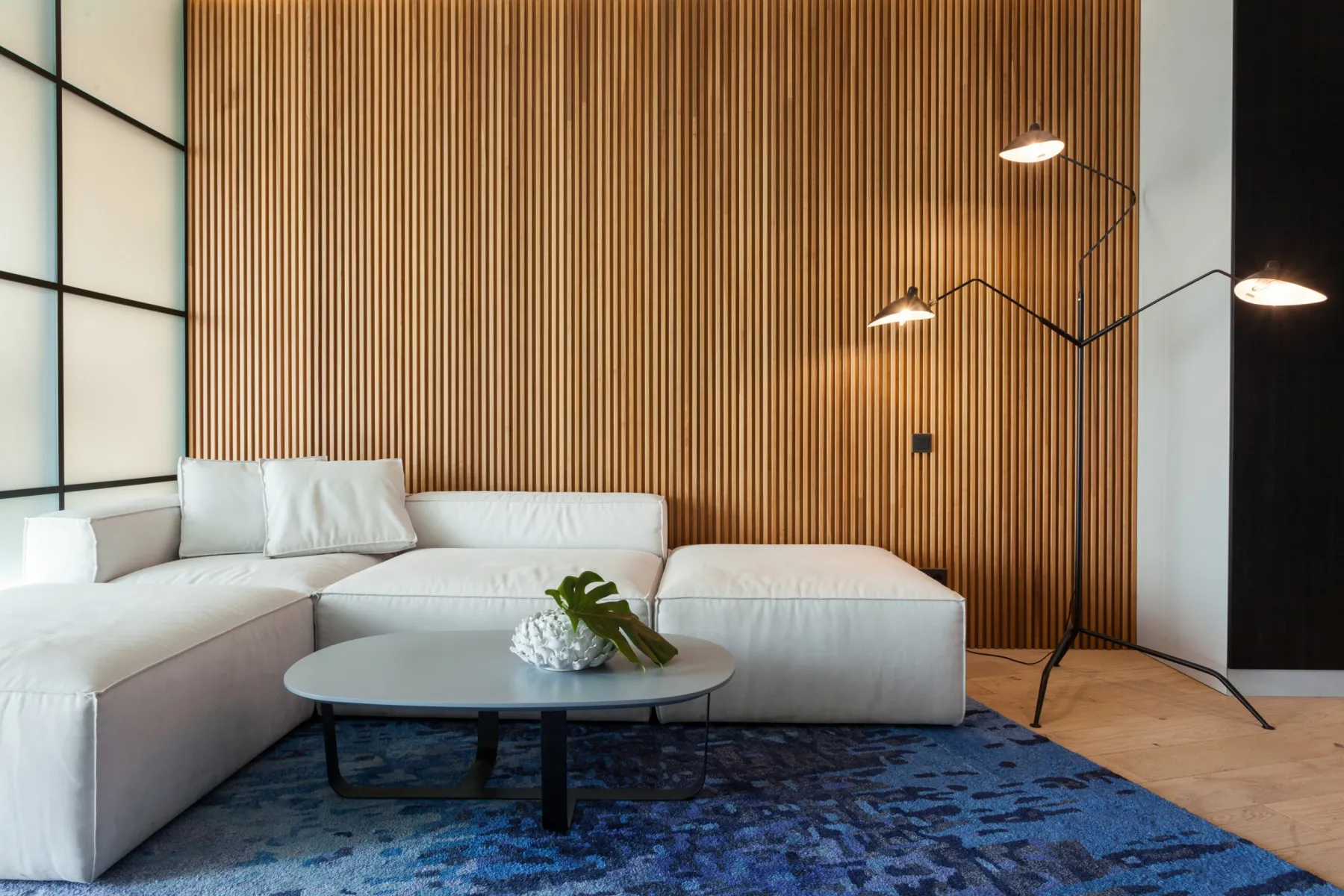 Warm and dimLight set for floor level
How a prayer room project runs
Survey and qibla bearing
We measure the room and establish the qibla bearing for the address, then work out how the carpet, panelling and joinery set out against the actual room geometry. That setting out governs the whole design.
Design
Elevations for the qibla wall and the joinery, carpet direction and size, lighting layout, and the acoustic and ventilation specification. Presented in 3D with a physical finish board.
Partitions, services and finishes
Insulated partition and solid core door where needed, lighting circuits and dimming installed, air conditioning adjusted or added, then plastering and painting.
Manufacture
Joinery, panelling and any mihrab detail machined and finished in our workshop. Three to five weeks, with the carpet ordered to the setting-out dimensions in parallel.
Installation and handover
Panelling and joinery installed and scribed, carpet fitted to the qibla direction, lighting commissioned and dimmed to a comfortable level, and the room handed over cleaned.
Prayer room costs in Dubai
Design, manufacture and install in Dubai. A dedicated wudu area adds plumbing, waterproofing and drainage to the figures below.
| Item | Unit | Typical range |
|---|---|---|
| Prayer room, fitted out | per room | AED 12,000 – 35,000 |
| Prayer room with joinery and wudu area | per room | AED 35,000 – 90,000 |
| Wall panelling | per sq m | AED 450 – 1,100 |
| Mihrab niche, formed and finished | each | AED 2,200 – 9,000 |
| Storage joinery for mats and books | per linear m | AED 2,600 – 6,500 |
| Fitted carpet with underlay | per sq m | AED 160 – 550 |
| Prayer carpet, made to size | per sq m | AED 220 – 850 |
| Wudu area, fitted and waterproofed | each | AED 6,500 – 22,000 |
| Floor drain and falls | each | AED 1,400 – 4,500 |
| Insulated partition with solid door | per project | AED 6,500 – 18,000 |
| Concealed and dimmable lighting | per room | AED 1,800 – 7,500 |
| Air conditioning adjustment | per room | AED 1,200 – 6,500 |
| Shoe storage at the threshold | each | AED 900 – 2,800 |
| Painting and finishes | per room | AED 1,200 – 3,800 |
A dedicated wudu area is the item that most affects the budget, because it needs water, a drained and waterproofed floor and a waste run. Where a guest bathroom is adjacent and convenient, it is often the sensible alternative.
Where a prayer room works in a Dubai home
A prayer room wants to be quiet, accessible and away from through traffic. A spare bedroom, a section of a large landing, a converted store or a purpose-built room off a corridor all work. The one thing to avoid is a room that people walk through, because the prayer is interrupted and the space never settles.
Proximity to water is the practical constraint. Wudu happens immediately before prayer, so a bathroom within a few steps, or a dedicated wudu point in or beside the room, is what makes it work in practice. Creating a wudu area needs a waste run, which is why position and drainage get decided together.
In larger villas a prayer room is often placed near the majlis so guests can use it, with a second smaller musalla upstairs for the family. Where only one is possible, somewhere neutral and reachable from both parts of the house is the better compromise.
Prayer room: common questions
How much does a prayer room cost in Dubai?
AED 12,000 to 35,000 for a fitted prayer room with joinery, carpet, panelling and lighting. Adding a dedicated wudu area with waterproofing and drainage takes it to AED 35,000 to 90,000.
How do you determine the qibla direction?
We take the qibla bearing for the specific address and set the room out to it, so the carpet, the panelling and any niche all align to that line rather than to the walls. Where the room geometry differs, the carpet direction takes priority.
How long does it take?
Four to six weeks. Partitions, services and finishes take one to two weeks on site, joinery manufacture runs three to five weeks in parallel, and installation and carpet fitting takes a few days.
What flooring is best for a prayer room?
A dense low-pile fitted carpet or a made-to-size prayer carpet over a good underlay — warm, quiet and comfortable for prostration, and straightforward to keep clean. A hard floor with fitted mats over underlay is the alternative.
Do I need a separate wudu area?
Not necessarily. Where a bathroom is a few steps away it usually serves. A dedicated wudu point with a low tap, a seat and a drained floor is a genuine convenience but needs water, waterproofing and a waste run.
Can a prayer room be made quiet?
Yes — a double-boarded insulated partition to the slab, a solid core door with a full acoustic seal set and a drop seal, and a soft floor covering. It is inexpensive during a renovation and makes a substantial difference.
Where should the room be located?
Somewhere quiet and accessible that is not a through route — a spare bedroom, a landing alcove or a purpose-built room off a corridor. Proximity to water for wudu is the practical constraint on position.
Can the panelling match the rest of the house?
Yes. We match the timber, finish and detailing to the joinery elsewhere in the home, working from samples finished in our own workshop, so the prayer room belongs to the house rather than sitting apart from it.
Send the room dimensions
The space, a photograph and the address for the qibla bearing are enough for us to set the room out, design the joinery and come back with a price.