What wall panelling covers and what it costs
Wall panelling in Dubai means covering a wall in a decorative or acoustic surface: fluted and slatted timber, veneered or lacquered MDF, traditional moulded panelling, upholstered fabric panels, and stone or metal panel systems. Expect AED 320 to 650 per square metre for painted moulded panelling, AED 450 to 1,100 for fluted or slatted timber, and AED 900 to 2,400 for veneered or specialist panels. Abdulla Carpentry EST machines panels in its own workshop and levels the substrate first, because panelling shows every deviation in the wall behind it.
Panelling is having a long moment in Dubai, and for a good reason: it does in one operation what paint, art and lighting together struggle to do. It adds texture, it gives a room a focal wall, and it hides an uneven surface completely.
It is also the most unforgiving finish to install badly. A painted wall absorbs small deviations. A run of vertical fluting does not — it is a set of parallel lines, and the eye reads any drift against them instantly. If the wall bows by eight millimetres over three metres, and most Dubai plaster does, panelling fixed directly to it will bow too.
So the substrate comes first. We batten or board the wall, shim it flat with a laser, and only then fit panels to a plane we control rather than to whatever the plasterer left. That preparation is the difference between panelling that looks fitted and panelling that looks applied.
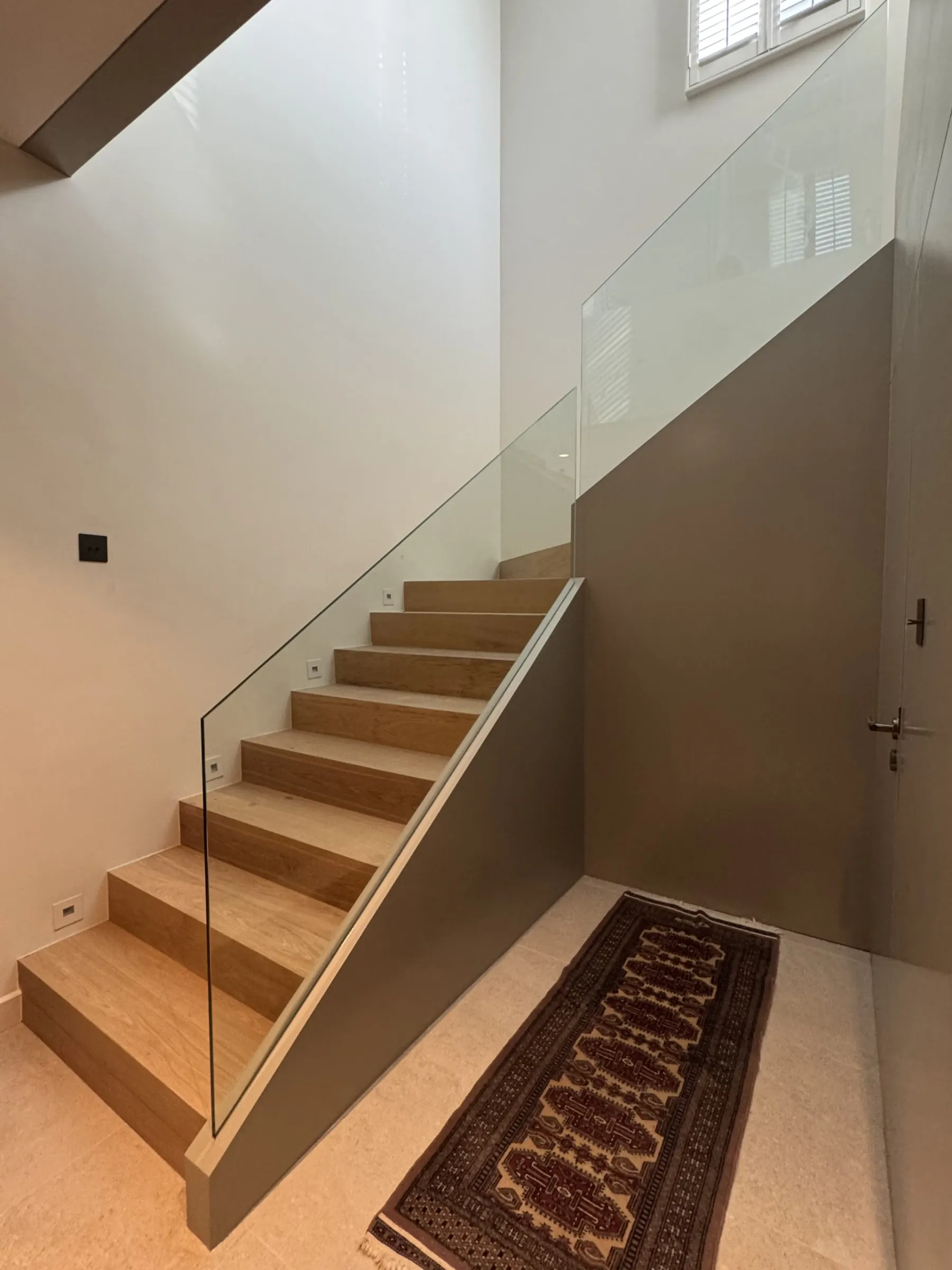
 Levelled firstBattened and shimmed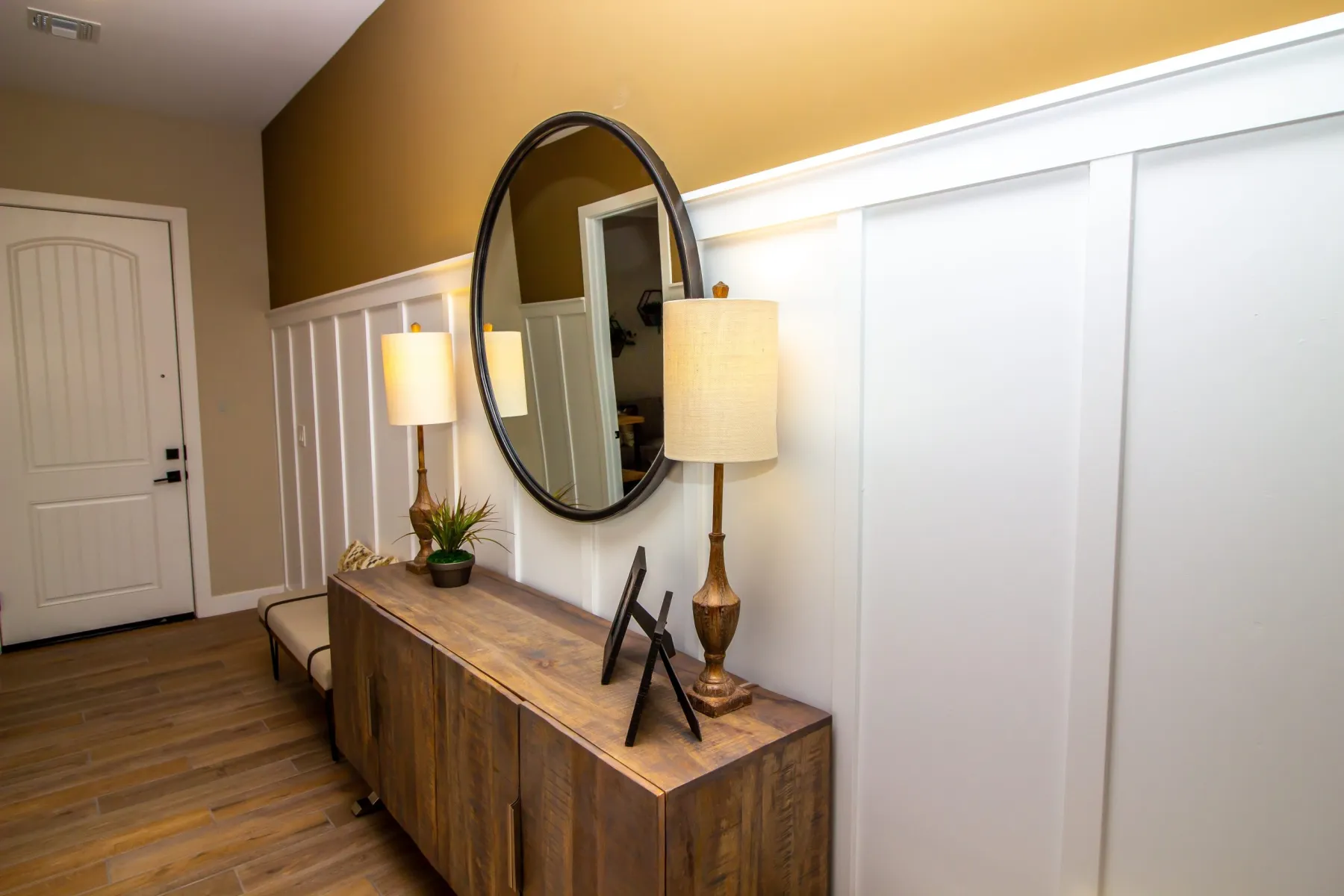
Panelling styles and where each works
Panelling ranges from a quiet traditional detail to a full statement wall. The material decides which of those it becomes.
Fluted and reeded panels. Vertical half-round or rectangular profiles machined into MDF or solid timber, then painted, stained or veneered. The most requested panelling detail in Dubai right now — behind beds, in entrance halls and around television walls — and it reads well under grazing light.
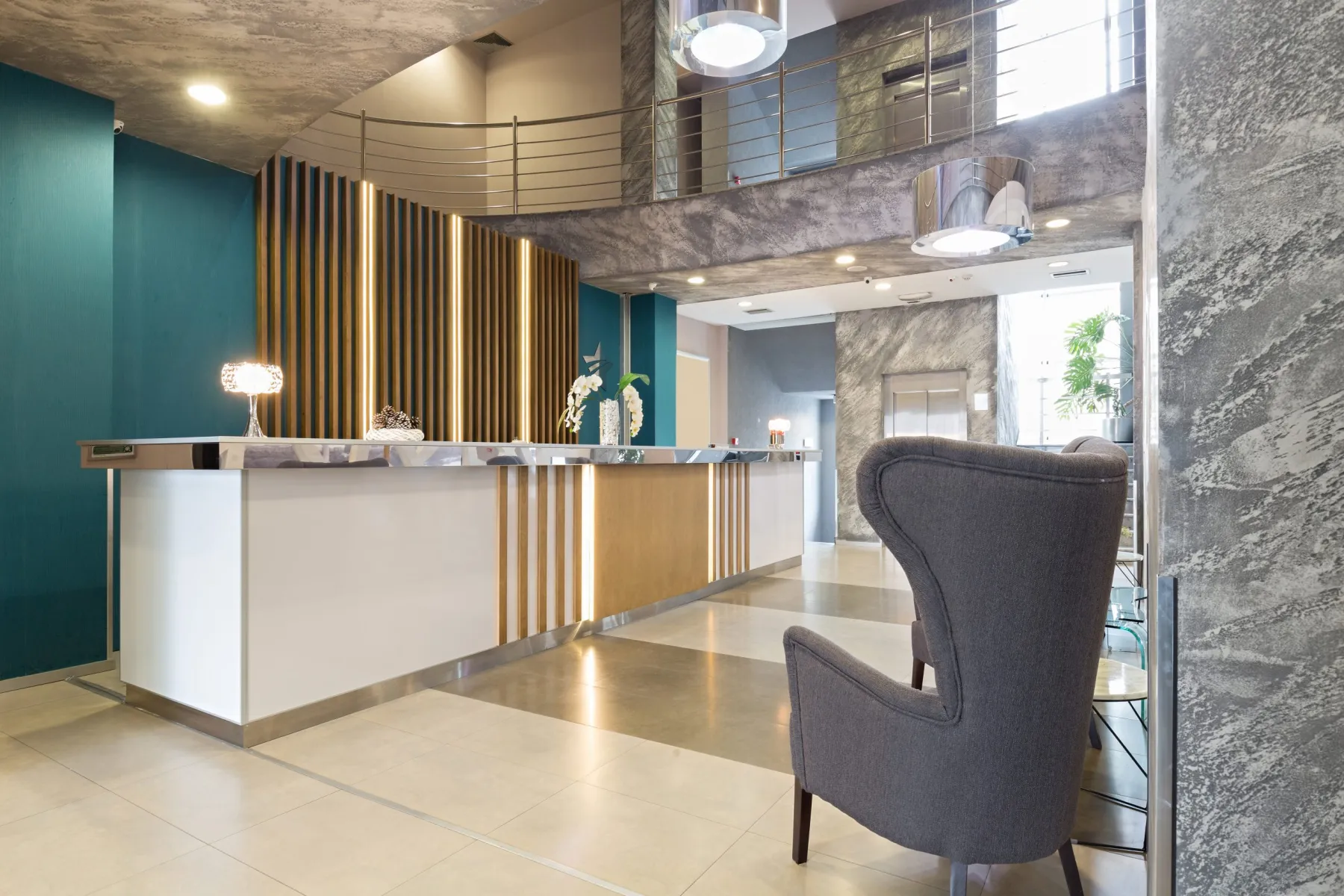
Slatted timber panels. Timber battens spaced over a felt or painted backing, usually oak or walnut. Warm, tactile, and genuinely useful acoustically when the backing is absorbent. Common in living rooms, home cinemas, offices and reception areas.
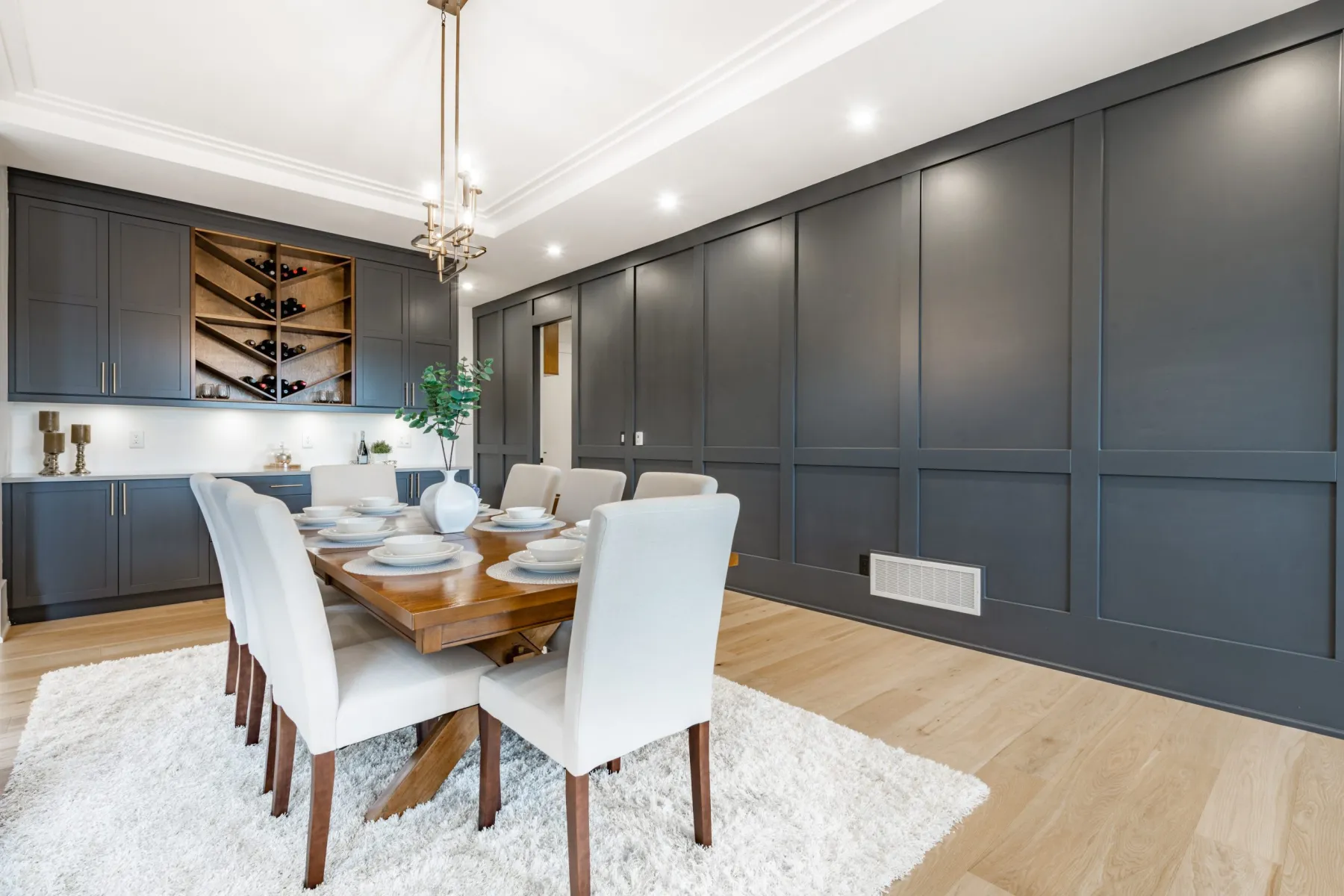
Traditional moulded panelling. Rails, stiles and recessed panels in the classical arrangement, painted. Full height, or wainscot to dado height with a capping rail. Suits villas with taller ceilings and traditional joinery elsewhere.
Veneered and lacquered panels. Large-format panels in real wood veneer, high-gloss lacquer or matt pigmented finish, usually with a shadow gap between them rather than a visible joint. The most refined option and the least forgiving of a poor substrate.
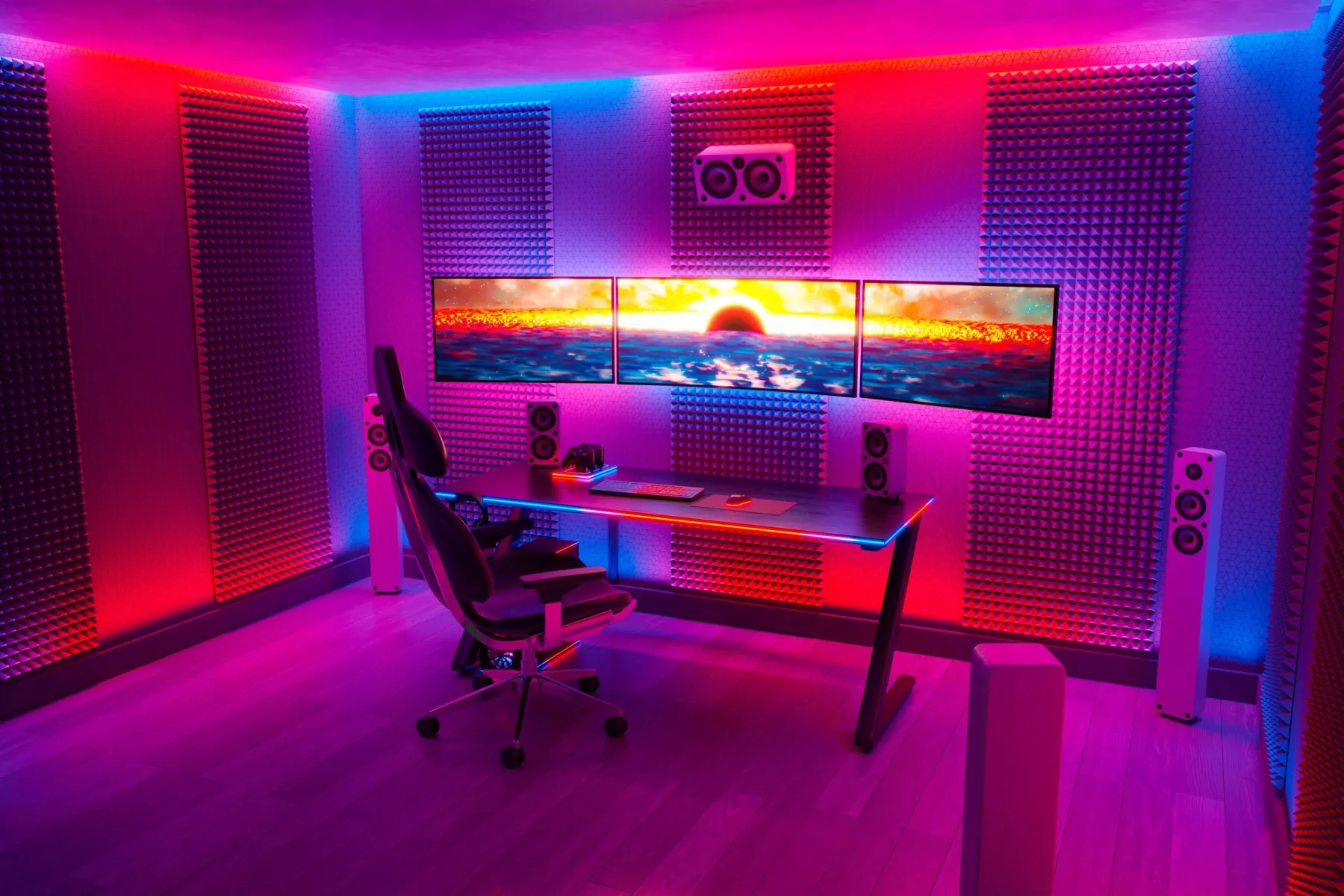
Upholstered and acoustic panels. Fabric-wrapped panels over acoustic foam or mineral wool, buttoned, channelled or plain. Behind a bed, in a home cinema, or in a meeting room where sound needs controlling. See upholstery.
Stone, metal and specialist panels. Marble and porcelain feature walls, laser-cut metal screens, mirrored and antique glass panels, and 3D gypsum panels. See stone, metal and mirror works.
Junctions, lighting and the details that give it away
Panelling is judged at its edges. Where it meets the ceiling, the floor, a door frame, a light switch or a return corner is where a job either looks designed or looks like boards stuck on a wall. We resolve those junctions on a drawing before anything is machined, because a shadow gap that has to be invented on site is always a compromise.
Setting out is the other half. A run of fluting or slats should start and end with a full profile, not a half one cut at the corner, which means the spacing is calculated from the wall width rather than from a standard pitch. Where a wall has a door or a window in it, the setting out is worked around the opening so the profiles line through above and below it.
Lighting interacts with panelling more than with any other finish. A downlight close to a fluted wall grazes it and produces the shadow that makes the texture read; the same wall lit flatly from the centre of the room looks like wallpaper. We coordinate the panelling layout with the lighting positions, and if the lights are already in, we say what the panelling will actually look like under them.
 Full profilesSet out to the wall, not the pitch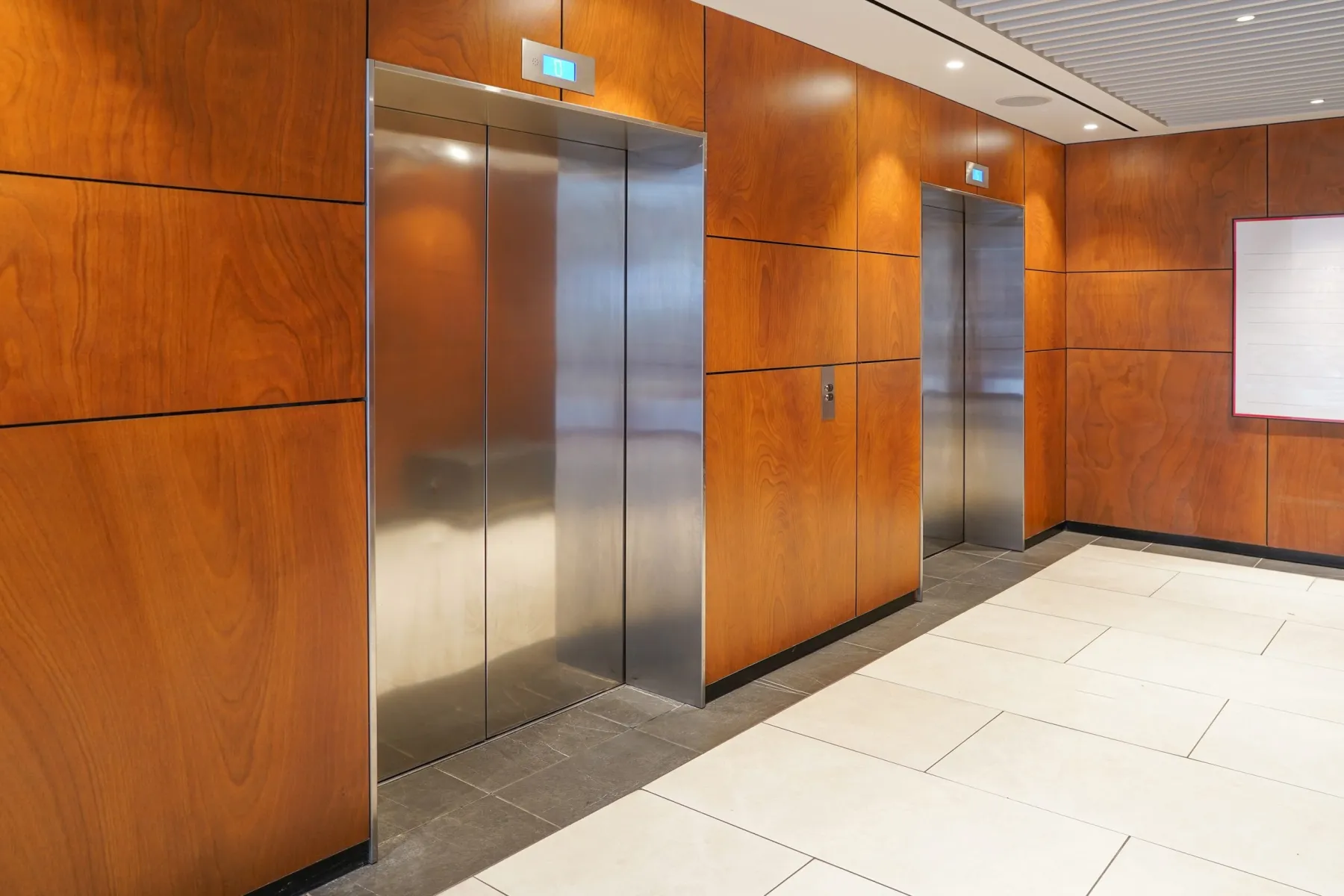
How a panelling job runs
Survey and substrate check
We measure the wall and check it with a laser for bow, twist and out-of-plumb. That reading determines how much battening and shimming is needed, and it is the number that makes or breaks the finished job.
Design and setting out
Elevation drawings showing every profile, joint, shadow gap and junction, with the spacing calculated so the run starts and ends with a full profile. Socket, switch and television positions are resolved here, not on site.
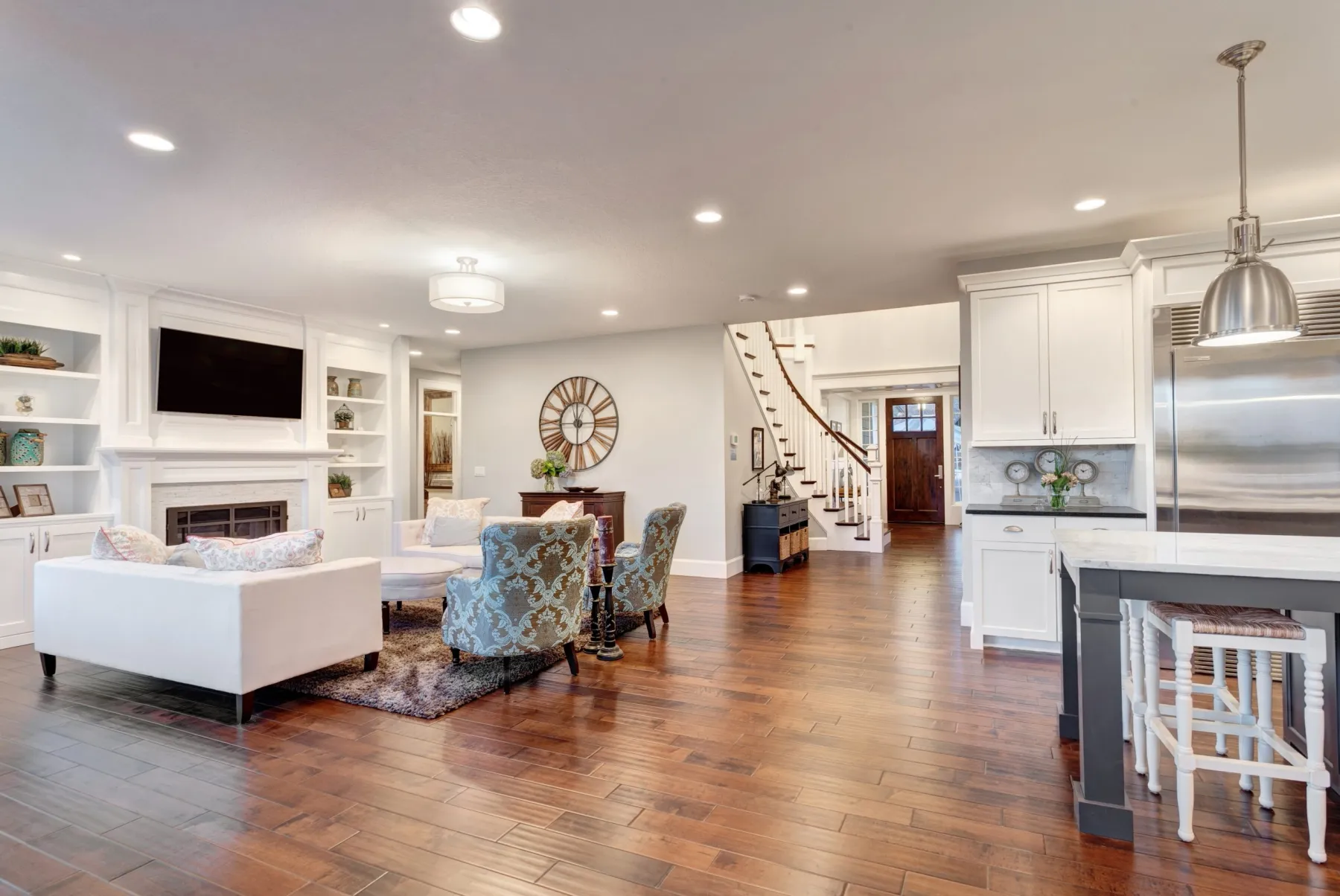
Machining and finishing
Profiles machined, panels cut and edged, then sprayed, veneered or lacquered in our booth. Panelling is finished flat in the workshop, which gives a far better surface than painting a fitted wall.
Substrate preparation
Battens or a backing board fixed and shimmed to a laser-set plane, with noggins added wherever something heavy will hang and cable routes formed for televisions and wall lights.
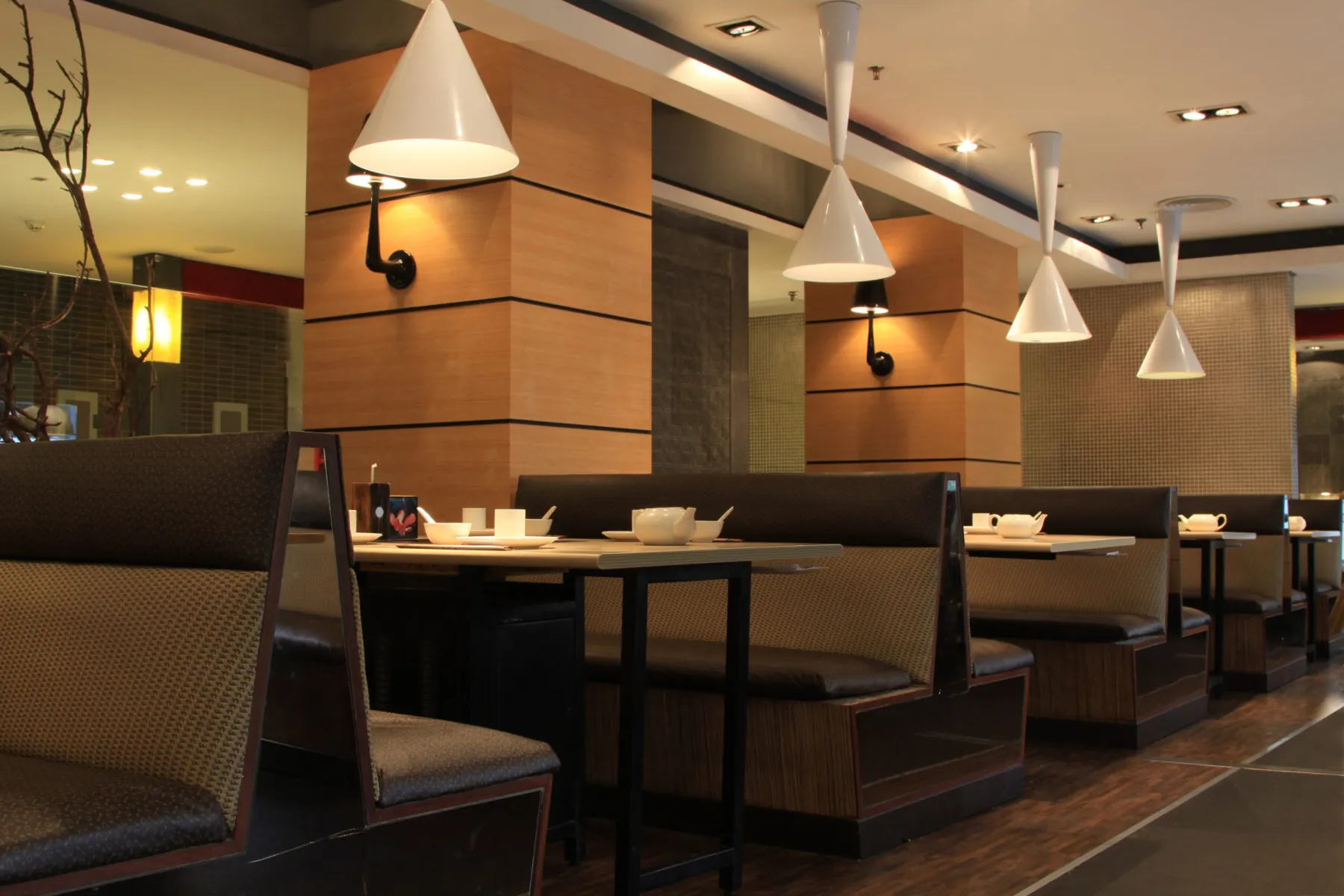
Installation and making good
Panels fitted, joints closed or shadow gaps set to an even width, junctions scribed, and fixings filled and touched in. Cut-outs for sockets and switches made from measured positions rather than guessed.
Wall panelling rates in Dubai
Supply, finish and install in Dubai, measured by finished wall area and including the battening and levelling of a normal wall.
| Item | Unit | Typical range |
|---|---|---|
| Painted moulded panelling | per sq m | AED 320 – 650 |
| Fluted or reeded MDF, painted | per sq m | AED 450 – 850 |
| Fluted or reeded timber, stained | per sq m | AED 650 – 1,100 |
| Slatted timber on acoustic backing | per sq m | AED 550 – 1,100 |
| Veneered panels with shadow gaps | per sq m | AED 900 – 1,800 |
| High-gloss lacquered panels | per sq m | AED 1,100 – 2,400 |
| Upholstered fabric panels | per sq m | AED 350 – 900 |
| Acoustic panel system, rated | per sq m | AED 450 – 1,200 |
| 3D gypsum or plaster panels | per sq m | AED 280 – 700 |
| Mirrored or antique glass panels | per sq m | AED 550 – 1,400 |
| Television wall with concealed cabling | per project | AED 4,500 – 18,000 |
| Additional battening for a bowed wall | per sq m | AED 60 – 140 |
Panelling is priced by finished area, but the cost driver is the number of junctions and returns rather than the square metres. A single flat wall is cheap per metre; the same area broken by two returns, a door and a window is not.
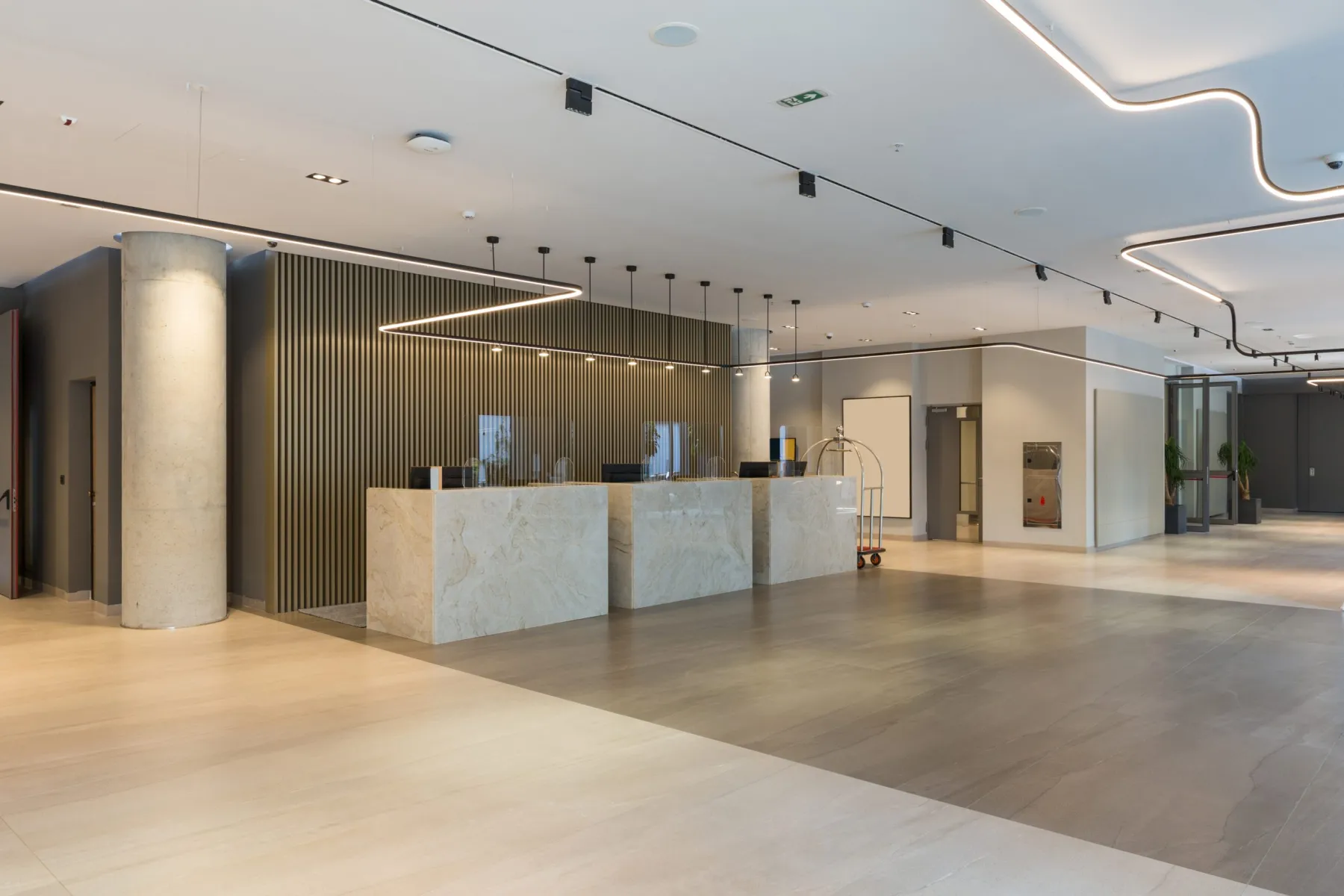
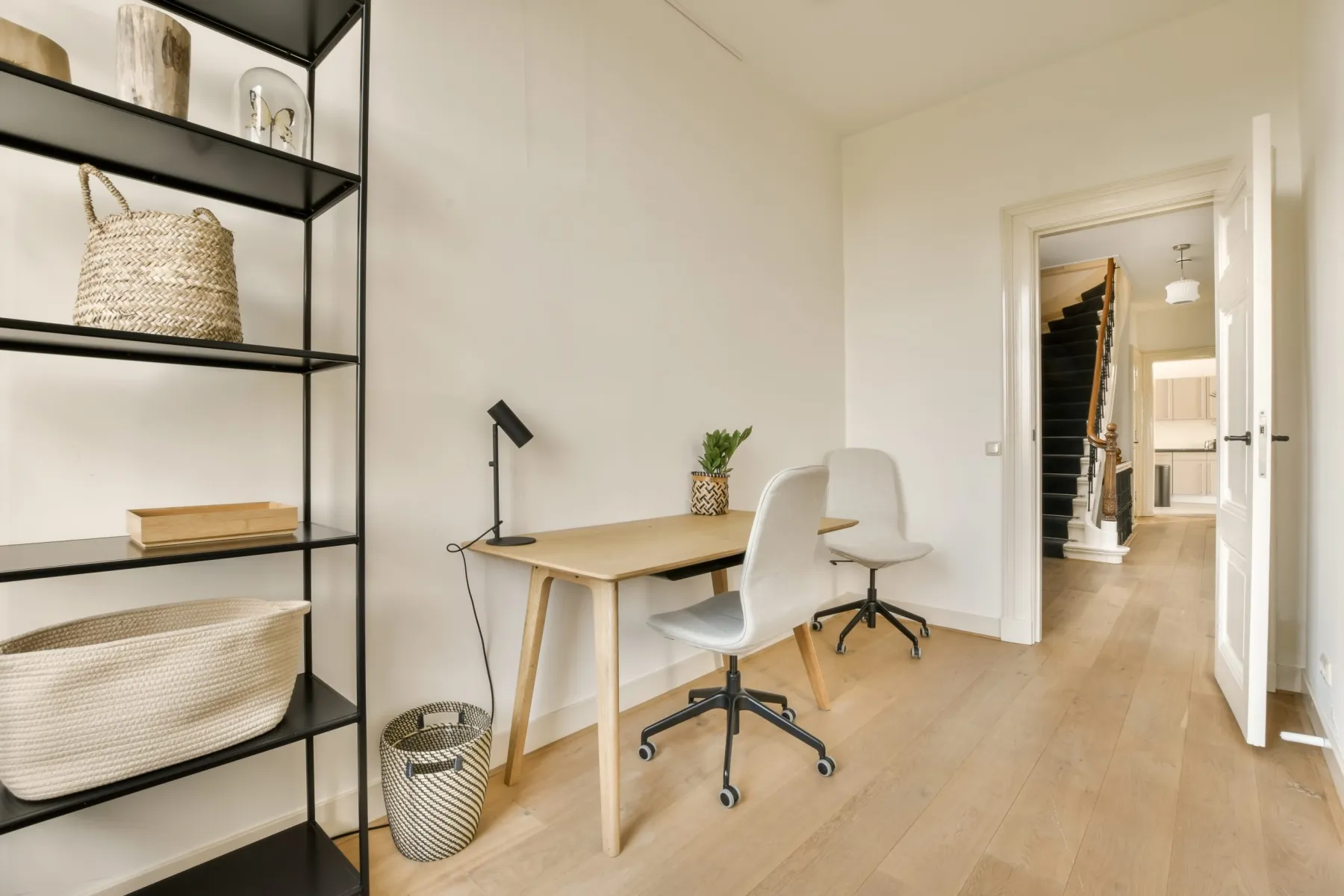
Panelling in offices, hotels and retail
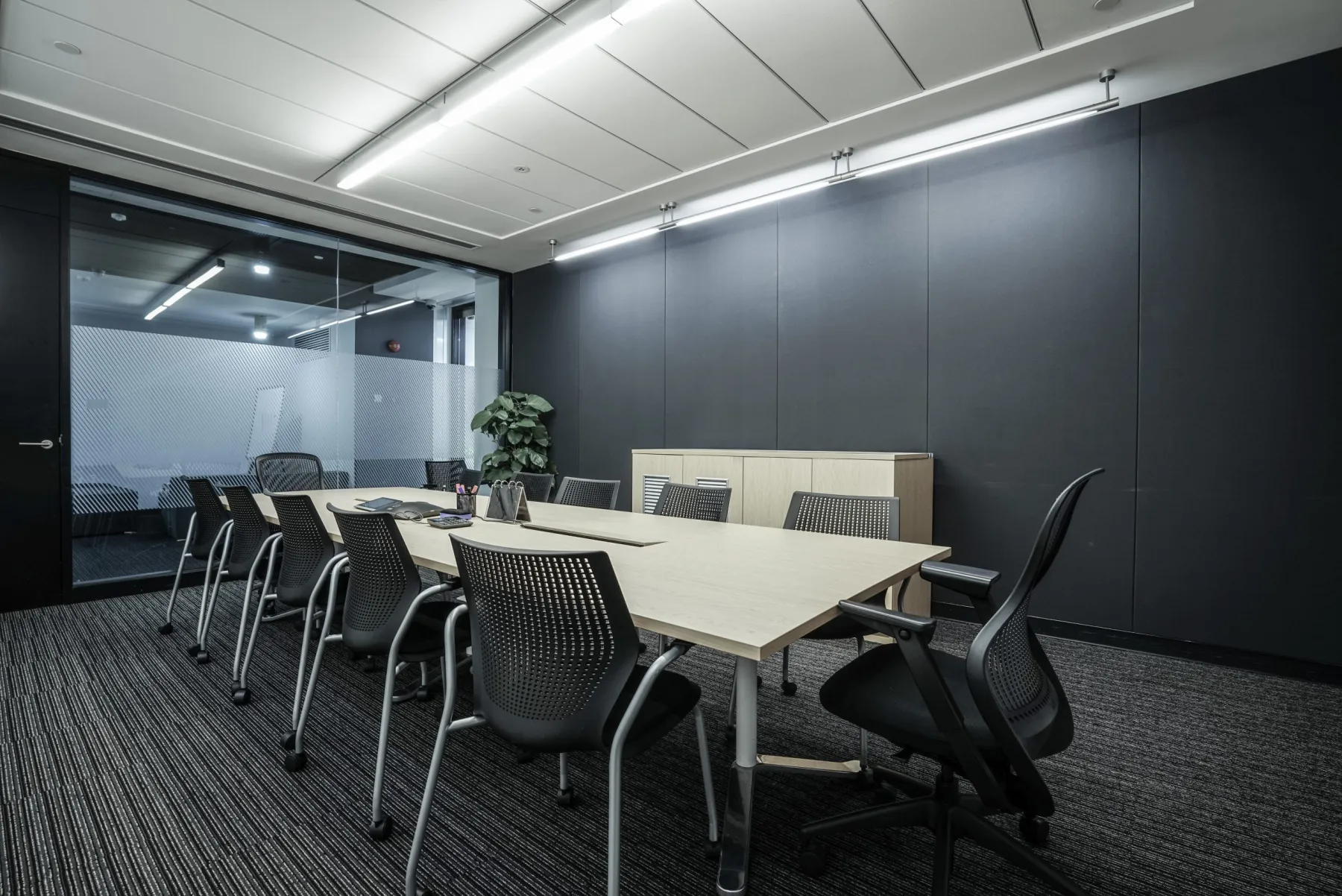
In commercial work panelling usually has a second job: absorbing sound. Open-plan offices, restaurants with hard floors and hotel lobbies all suffer from reverberation, and slatted or fabric-wrapped panels over mineral wool bring a room from uncomfortable to pleasant without any change to the layout.
Fire performance matters here in a way it does not in a villa. Surface spread of flame requirements apply to wall linings in escape routes and public areas, which means either an inherently rated board or a certified fire-retardant treatment. We specify and document it, because it is checked at handover.
Durability is the third factor. Corridors, reception counters and lift lobbies take trolley and luggage impact. We use a harder-wearing face, a robust edge detail, and a demountable fixing so an individual damaged panel can be replaced without dismantling the run.
Wall panelling: common questions
How much does wall panelling cost in Dubai?
AED 320 to 650 per square metre for painted moulded panelling and AED 450 to 1,100 for fluted or slatted timber, supplied, finished and installed. A typical feature wall of 12 square metres is therefore AED 4,000 to 13,000.
How long does it take to install?
Two to three weeks of manufacturing and finishing, then one to three days on site for a single feature wall. A whole room or a corridor run is three to five days on site.
Can panelling be fitted over an existing painted wall?
Yes. The wall is battened and shimmed flat, and the panels fix to the battens. Nothing needs to be stripped, though we do check the plaster is sound, because panelling fixed to hollow or blown plaster will move with it.
Does slatted panelling actually improve acoustics?
It does when there is absorption behind it — acoustic felt or mineral wool between the battens. Slats fixed straight onto a hard wall look the same and do almost nothing for sound. The backing is the part that works.
Can you hide the television cables in the panelling?
Yes, and it is one of the main reasons people panel a wall. Cable routes and a recessed box for the bracket are formed in the substrate before the panels go on, so nothing is visible and the screen sits flush.
What finish works best in a Dubai villa?
Sprayed pigmented lacquer over MDF for painted work — it is harder and flatter than anything achievable with a brush on site. Real wood veneer or solid oak where warmth is wanted. Avoid unlacquered solid timber on a sun-facing wall, which will move and fade.
Will the panels move or crack?
Properly made panels on a battened substrate should not. Movement comes from fixing solid timber rigidly across its width, or from using an unstable board. We use engineered substrates and allow for movement at the junctions.
Can a damaged panel be replaced later?
Yes if it is planned that way. We can set the fixings so individual panels lift out, which is standard on commercial work. On a villa the panels are usually fixed and filled for a seamless finish, and a damaged one is repaired and resprayed in place.
Send a photograph of the wall
A photo with rough dimensions and an idea of the style is enough for a price. We will tell you what preparation the wall needs, which is usually the part people have not budgeted for.