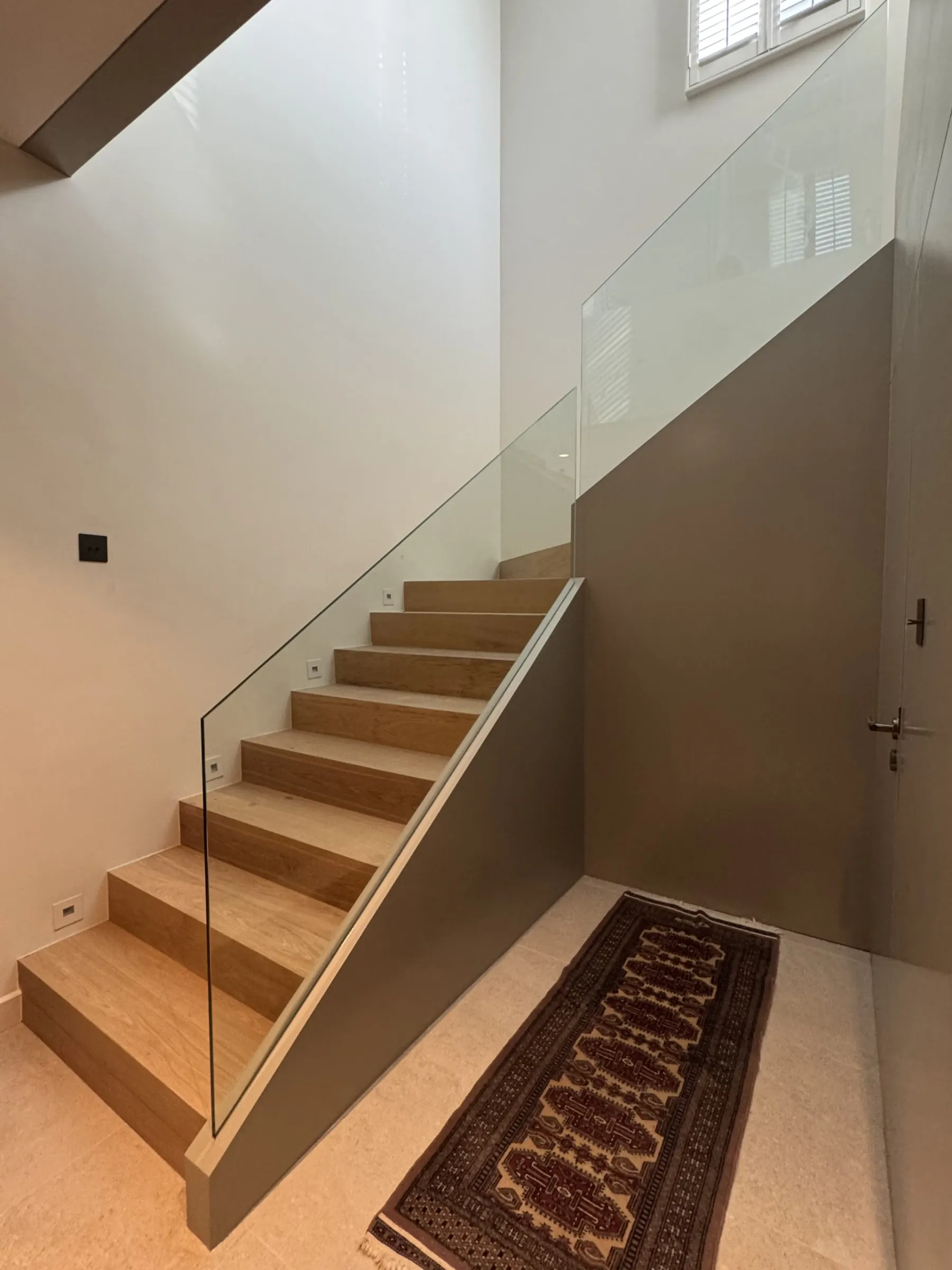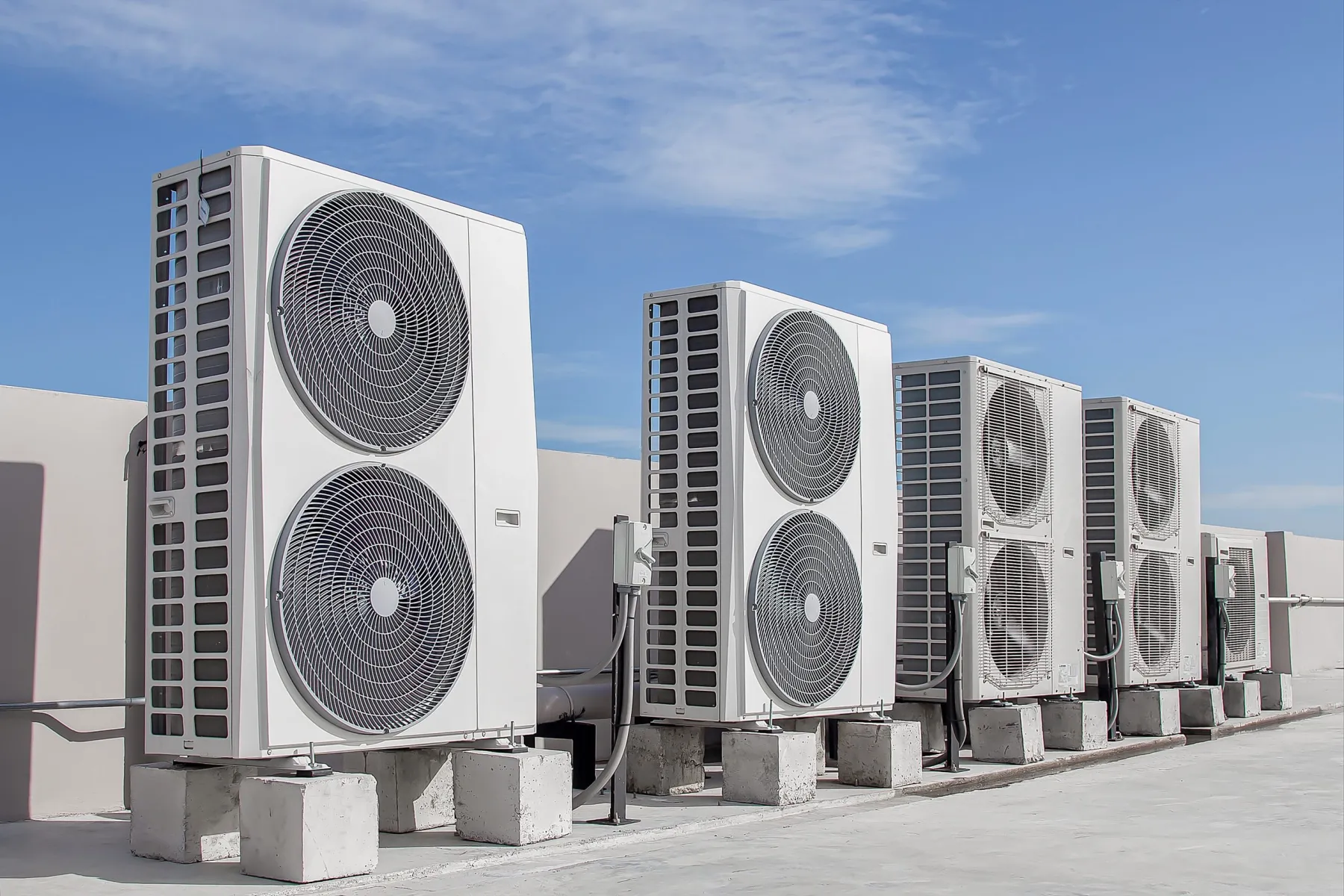
HVAC in Dubai, where the ducts decide the ceiling
FCU replacement and servicing, duct and grille relocation, extract and fresh air, condensate drainage set to a proven fall — coordinated with the ceiling design rather than fought with afterwards.
What HVAC work in Dubai involves
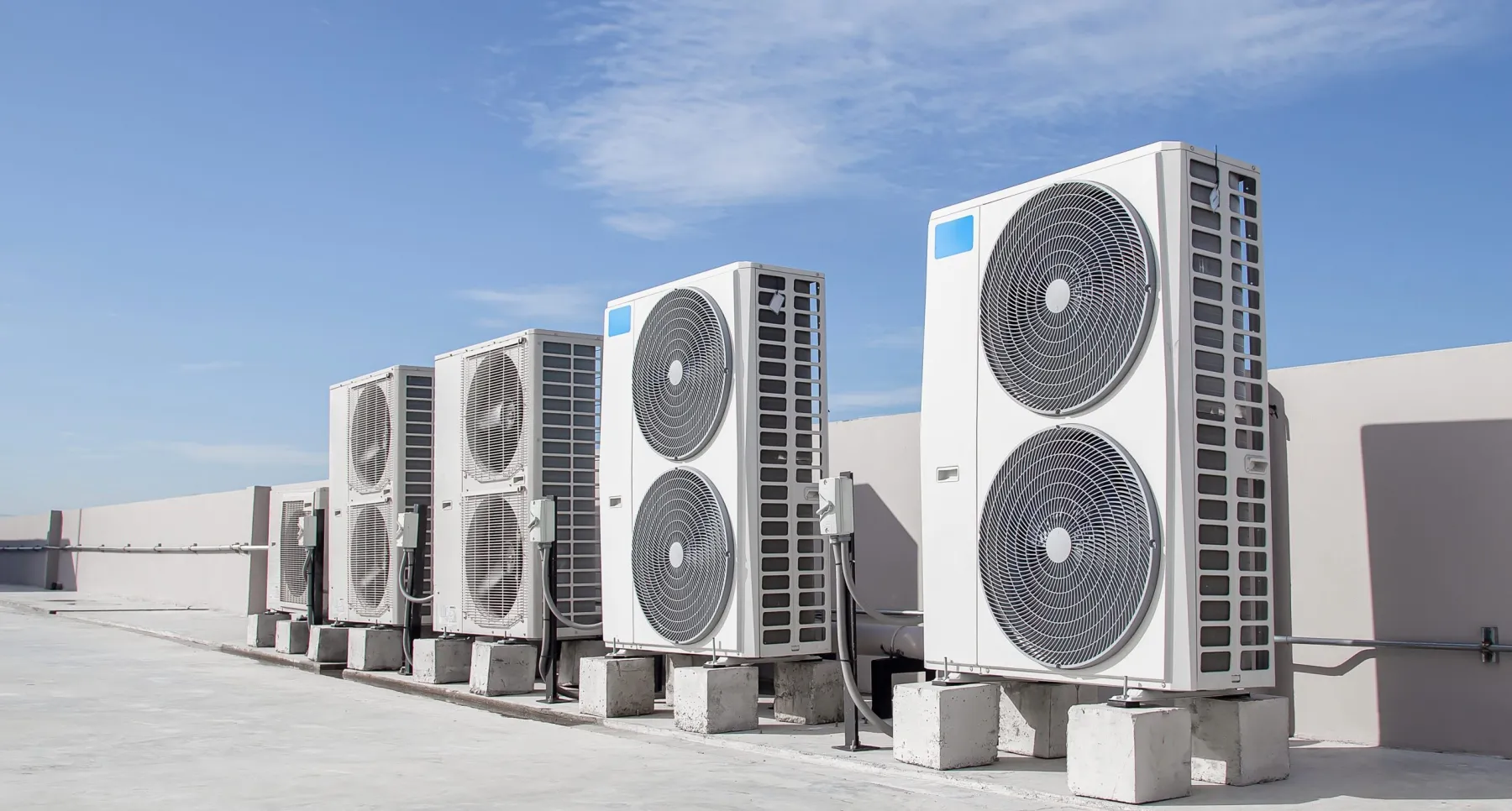
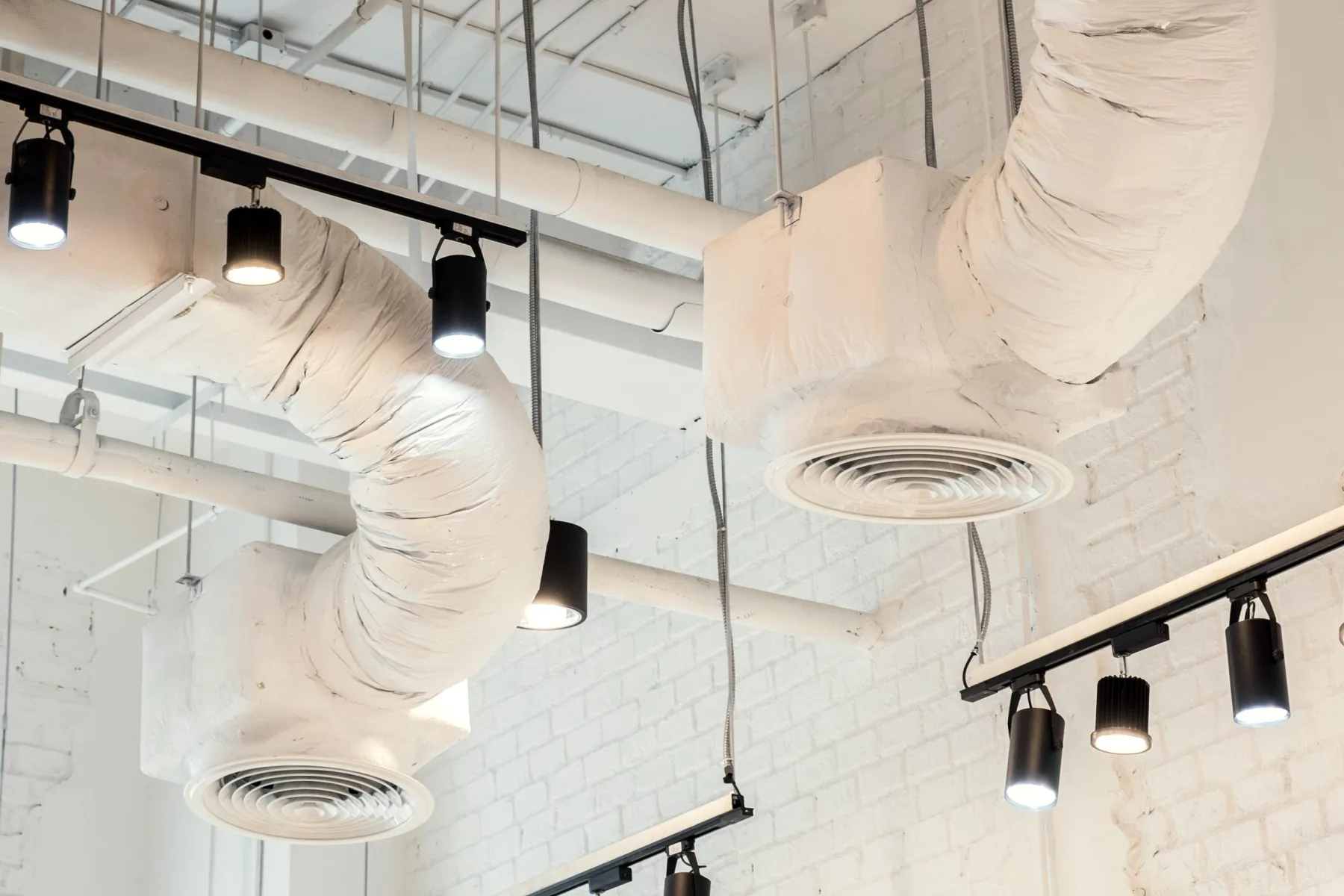
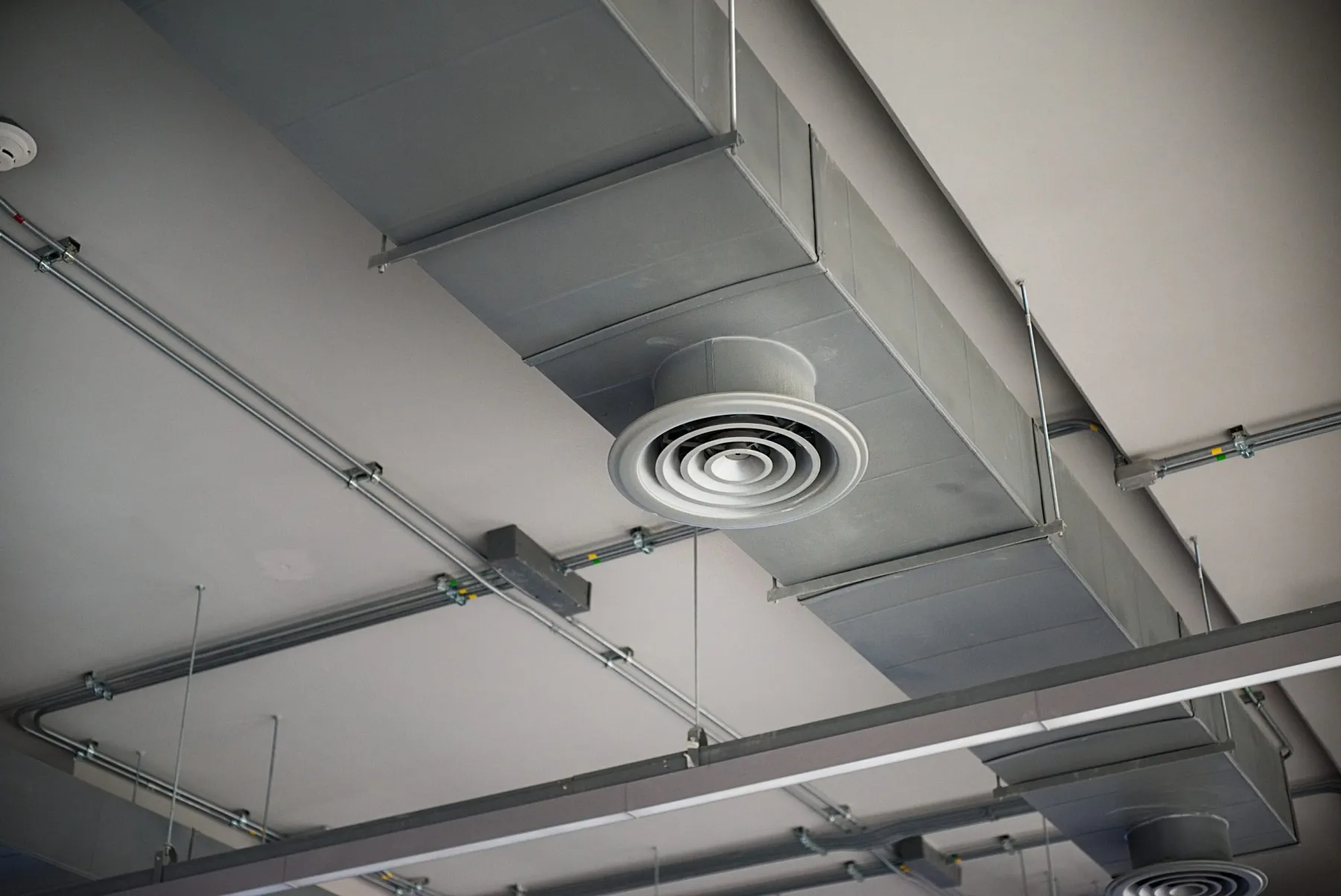
HVAC alteration on a Dubai fit-out covers relocating supply and return ducts and grilles, replacing or servicing fan coil units, adding or upgrading extract for kitchens and bathrooms, repositioning thermostats, and setting condensate drainage to a continuous fall. FCU replacement runs AED 2,800 to 6,500 per unit and duct alterations AED 180 to 420 per linear metre. Abdulla Carpentry EST carries this out as part of a coordinated MEP package, so the ductwork is laid out before the ceiling is designed rather than discovered afterwards.
Air conditioning in this country is not a comfort system, it is a life-support system, and it runs for most of the year. That has two consequences most renovation plans underestimate.
First, it produces water. Continuously. Every fan coil unit condenses moisture out of the air and that water has to run downhill to a drain. A condensate line installed nearly level works for a season and then backs up into a ceiling — which is the single most common cause of water damage we are called to inspect in finished properties.
Second, ducts are the one service in a ceiling void that cannot be compromised. A duct carries a fixed volume of air and has a cross-section to match. Cable can move, pipework can be re-graded, a downlight can shift 200mm. A duct cannot be squashed — so it dictates the ceiling height, and it needs to be laid out first.
 Twice a yearServicing interval in Dubai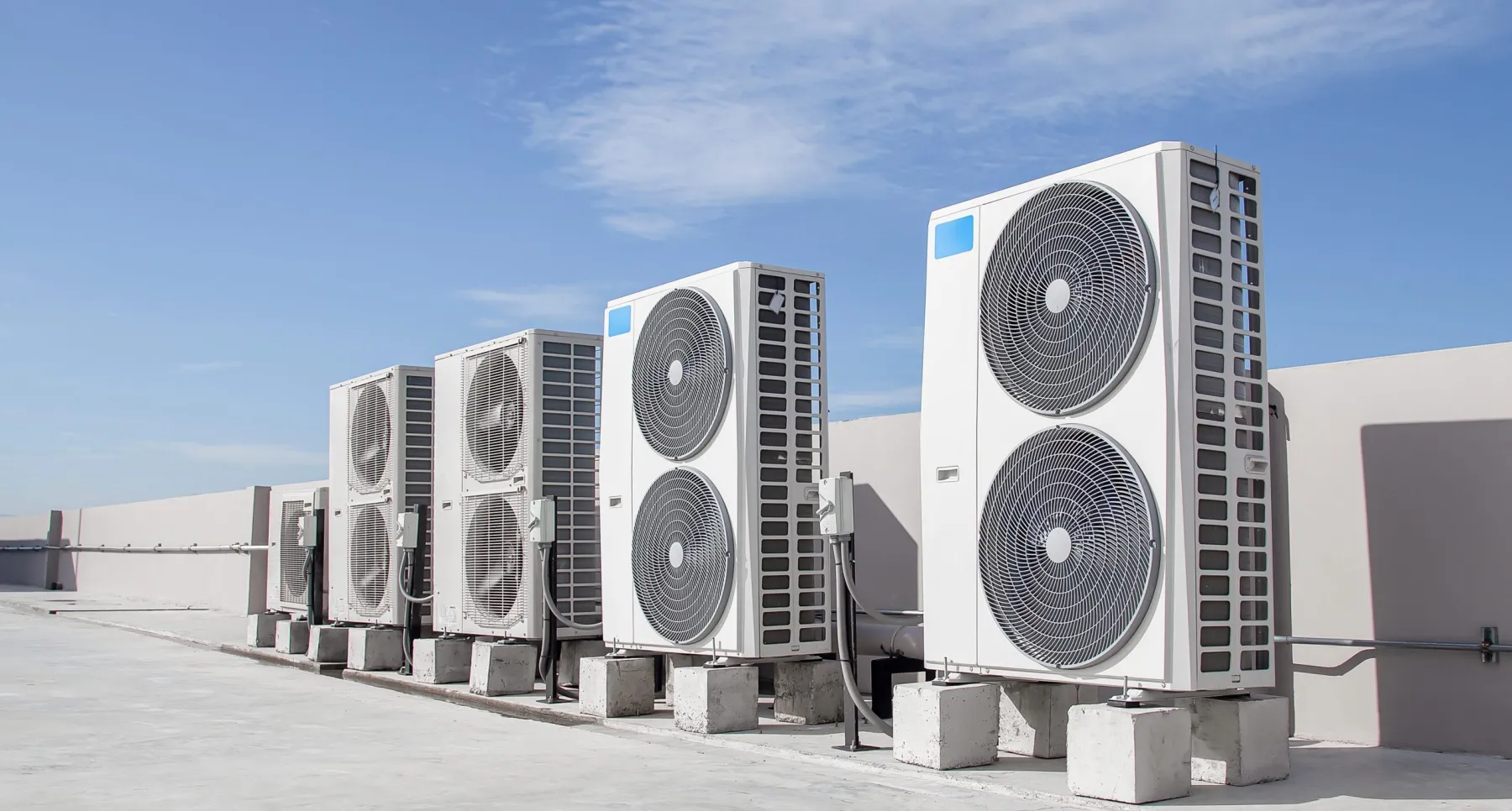
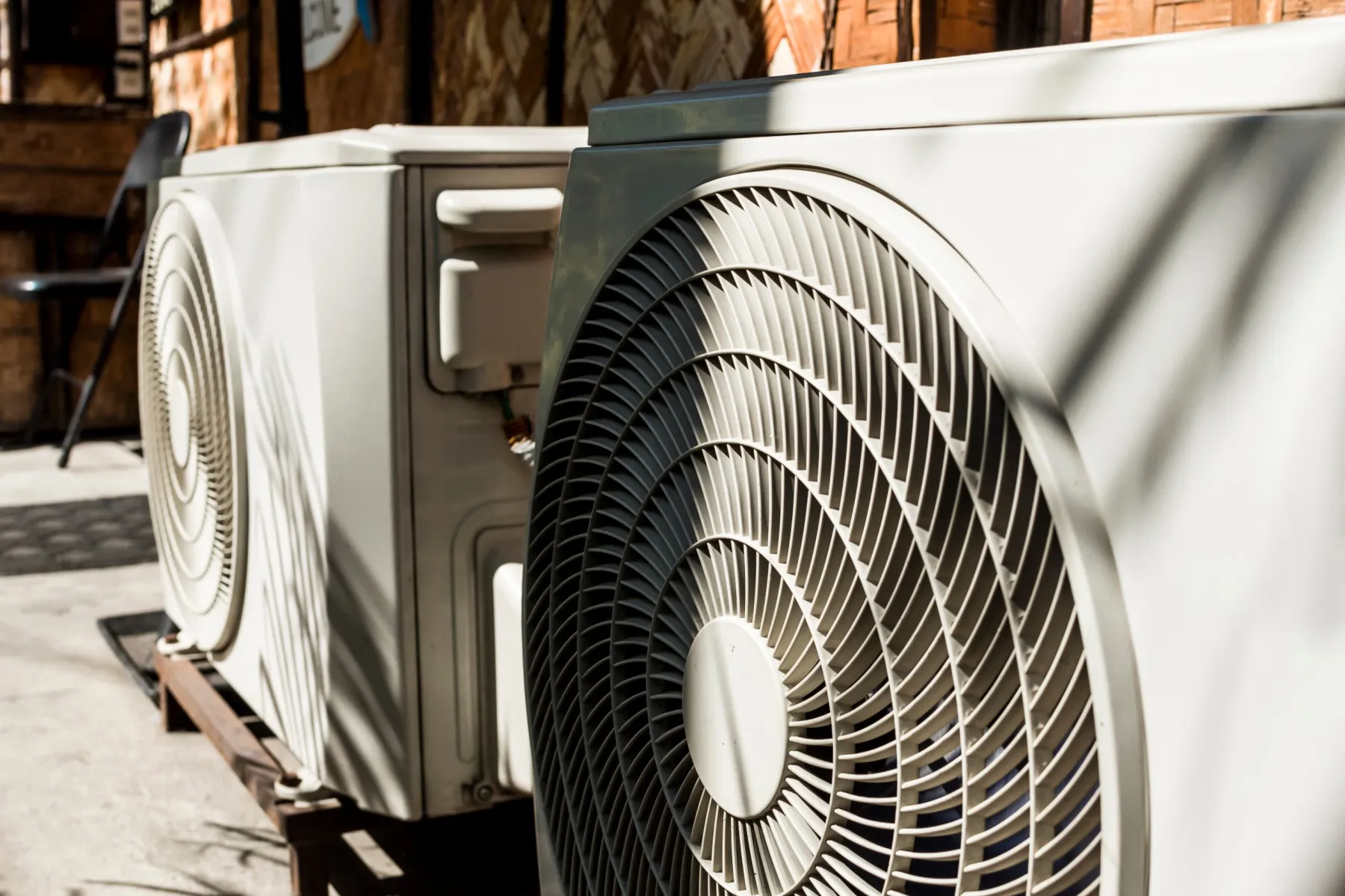
The HVAC work on a typical fit-out
Most renovation projects do not need a new system. They need the existing one altered properly to suit a changed layout.
Duct and grille relocation. When walls move, the air distribution has to follow. A supply grille blowing straight onto a new partition, or a return sited in a closed-off room, makes a space uncomfortable regardless of how well the unit works. We re-plan the distribution against the new layout rather than leaving the grilles where they were.
FCU replacement and relocation. Older units in Dubai apartments are frequently past economic repair, noisy, or sized for a layout that no longer exists. Replacement is straightforward while the ceiling is open and disruptive afterwards, which makes a renovation the moment to do it.
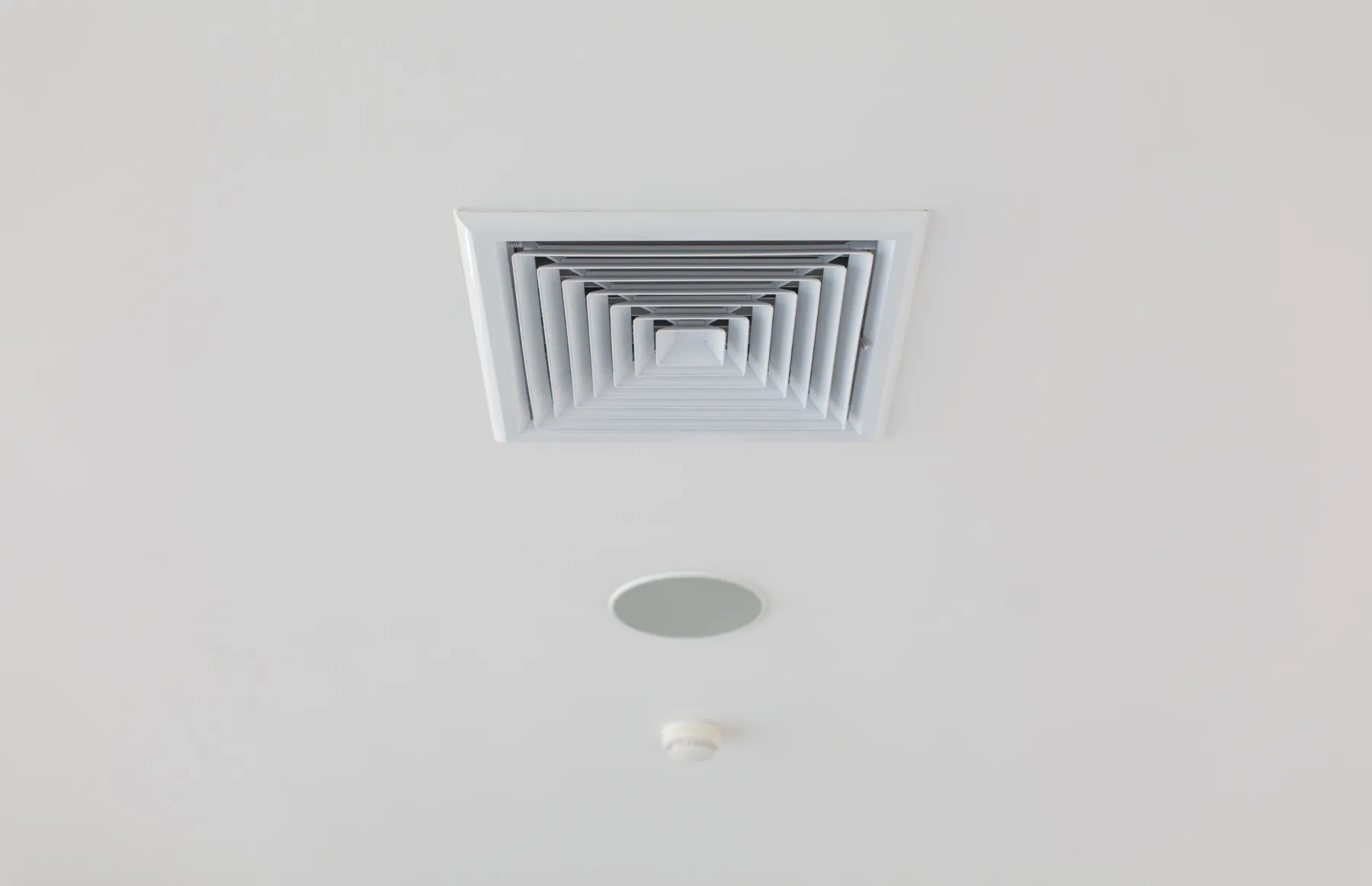
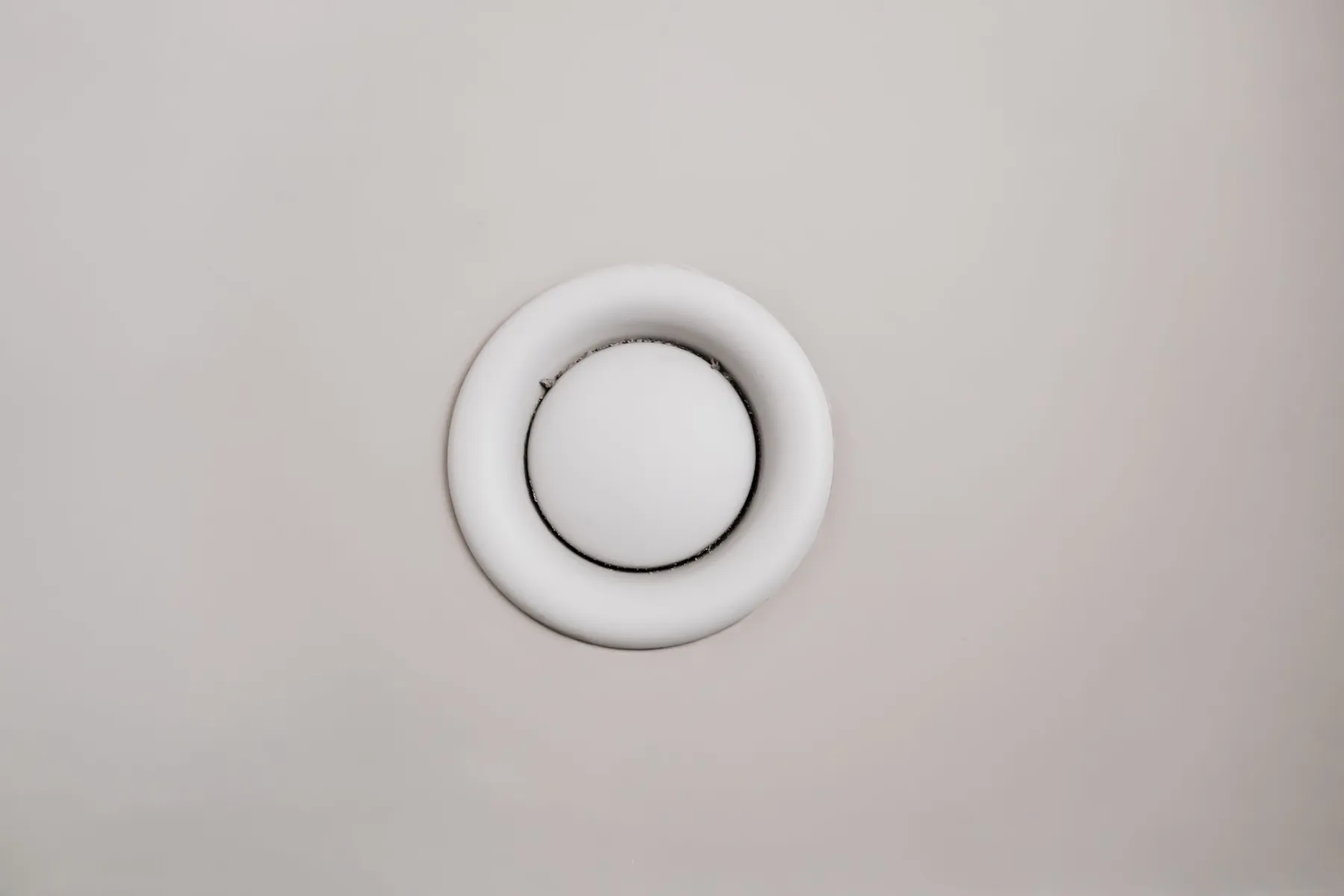
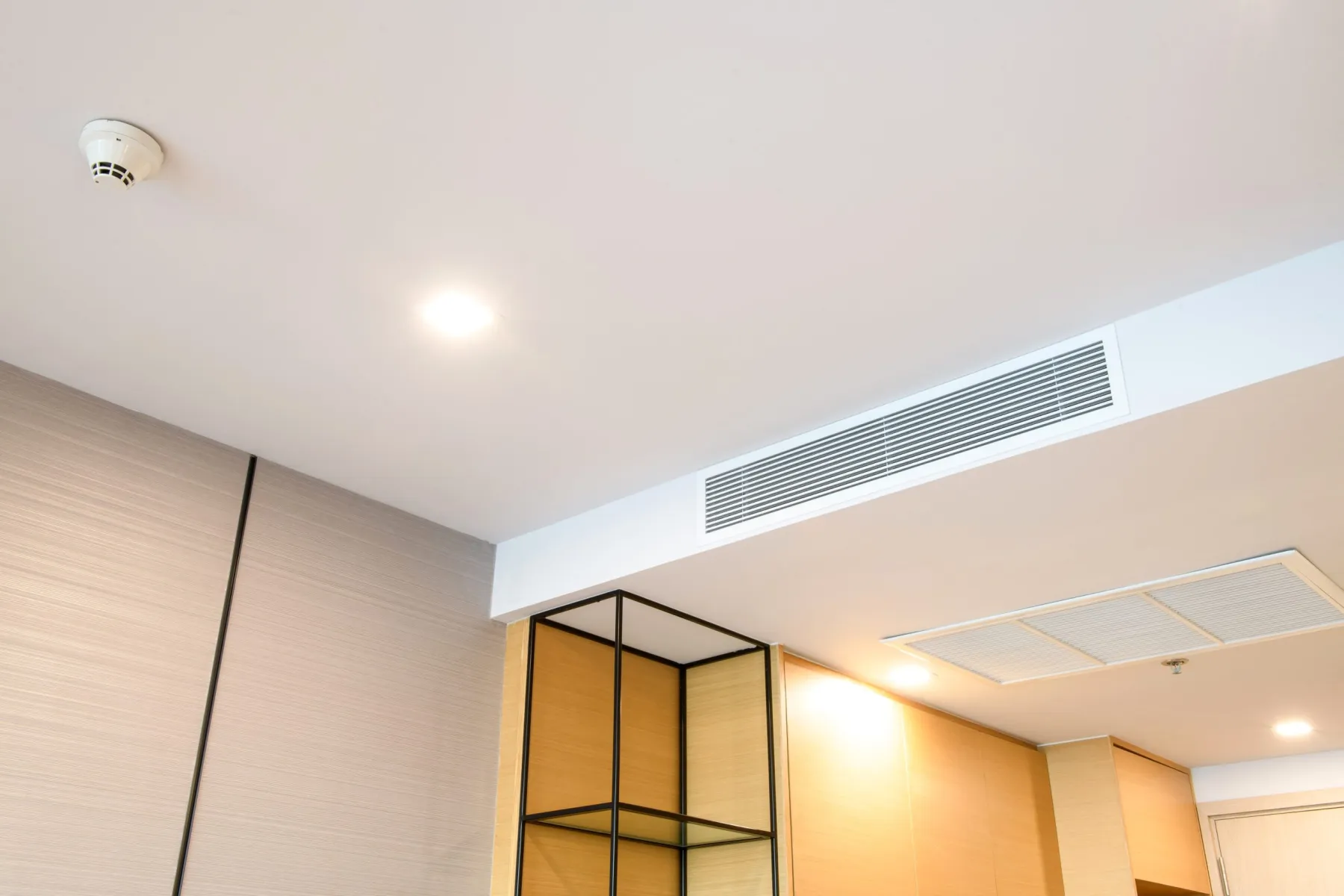
Extract and ventilation. Kitchen extract routed to an external wall or riser wherever one exists, sized for the cooking that will actually happen rather than for the appliance box. Bathroom extract upgraded where the existing rate is inadequate — which it usually is in properties more than ten years old, and which is the real cause of recurring mould that repainting never fixes.
Condensate drainage. Set to a continuous fall, proven with water before anything closes, with access at the trap. This is the least glamorous item on any HVAC quotation and the one that prevents the most expensive failure.
Thermostats and controls. Repositioned away from direct sun, away from supply grilles and to a sensible height, so the unit reads the room rather than the air blowing onto the sensor.
What you have, and what it means for the work
Dubai properties run one of four arrangements, and which one you have changes what is possible and what it costs.
District cooling. Most newer towers and master communities. Chilled water arrives from a central plant and your FCUs are heat exchangers on that loop. You cannot change the system, but you can replace units, re-route ducts and re-balance airflow. Work on the chilled water side needs building management approval and usually a shutdown window booked in advance.
Chilled water from a building plant. Similar constraints, with the plant owned by the building rather than a utility. Same approval requirements.
Ducted split systems. Common in villas and older apartments. An indoor unit in a ceiling void or plant cupboard, a condenser outside. These give the most freedom on a renovation — units can be replaced, upsized or relocated, and zoning can be added.
Wall-mounted and cassette splits. Usual in smaller apartments, villa annexes and back-of-house areas. Straightforward to replace, and the obvious upgrade path when a room is being reconfigured.
We will tell you at survey which you have, what the building allows you to alter, and whether a shutdown window is needed — because on a chilled water system that booking can sit on the critical path of the whole programme.
Ducts first, then everything else
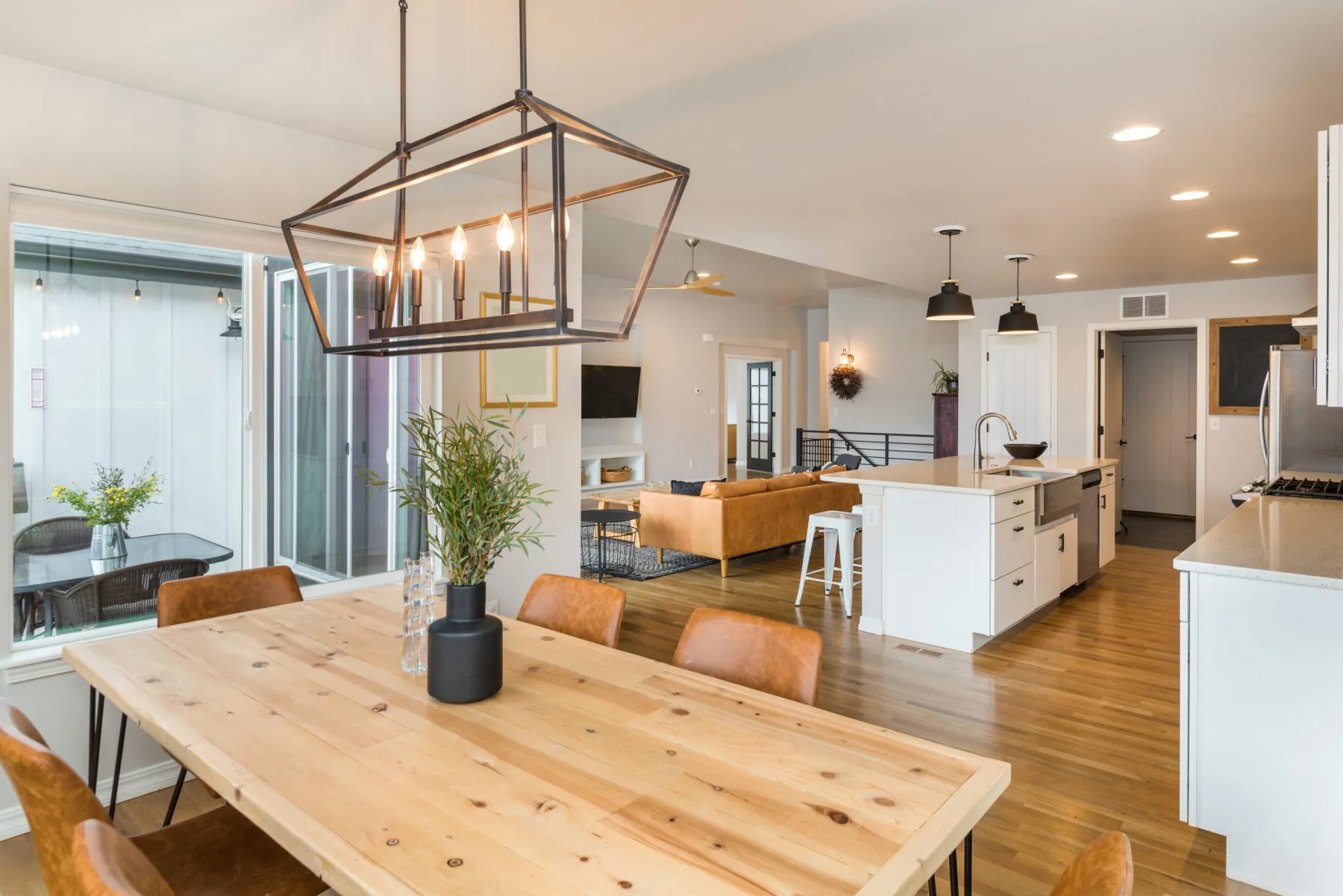
A Dubai apartment typically has 200 to 400mm between the slab and the finished ceiling. Into that goes supply and return ducting, condensate falling to a point, sprinkler pipework and drops, lighting bodies and drivers, cable containment, and sometimes drainage from the property above.
Because the duct has the least flexibility, it gets laid out first and everything else is arranged around it. Projects that install lighting or containment first end up with the duct arriving last and no room for it — at which point the ceiling drops, or a bulkhead appears that nobody designed.
We mark the void out before first fix. It takes a morning. It is the difference between a ceiling at the height you agreed and a ceiling 80mm lower with a feature that is really an apology.
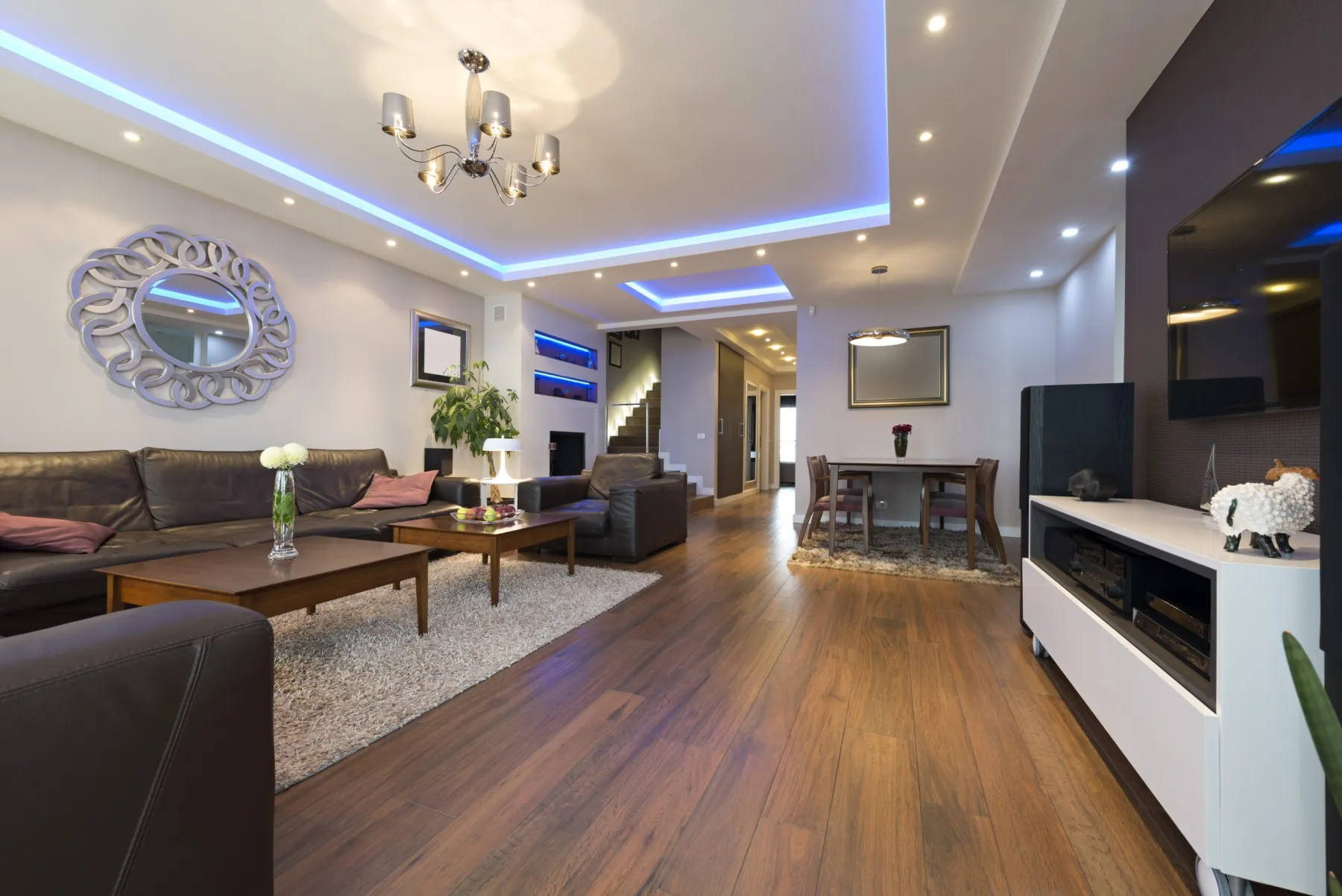
It also determines the grille positions, which matters more than people expect. Air blowing directly onto a seating position or a bed is the most common comfort complaint in a finished fit-out, and it is fixed on paper rather than with a diffuser afterwards.
HVAC in sequence
Survey and system identification
We establish what you have — district cooling, chilled water, ducted or wall split — record unit ages and duct routes, check the condensate arrangement, and find out what the building will and will not permit.
Layout and approvals
Ductwork and grille positions set against the new layout and the furniture plan, then coordinated with lighting, sprinklers and drainage. Building approval and any shutdown window booked at this stage.
Installation
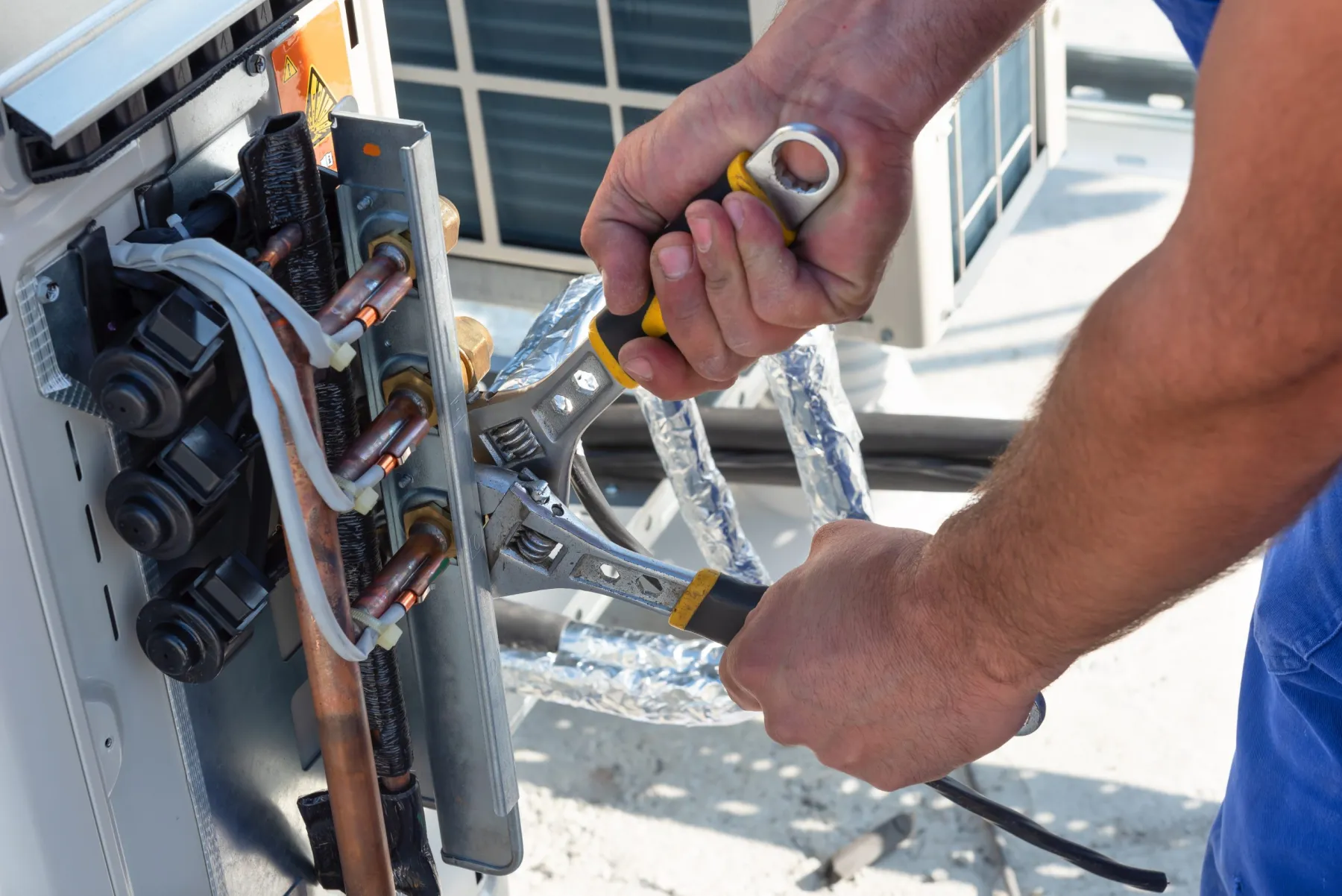
Ducts, units, grilles and extract installed to the agreed layout, with condensate runs set to a continuous fall and supported so they stay that way.
Test before closing
Condensate runs proven with water, ductwork checked for leakage, units run and confirmed working. Photographed and recorded. Nothing is boarded over until it has passed.
Commissioning and balancing
Airflow balanced room by room so no space is starved or over-blown, thermostats sited and calibrated, filters fitted, and the servicing schedule handed to you with the as-builts.
HVAC prices in Dubai
HVAC on a renovation is priced by unit and by metre of duct rather than by floor area. These are indicative ranges from recent projects.
| Scope | Typical range | Notes |
|---|---|---|
| FCU replacement, per unit | AED 2,800 – 6,500 | Including duct adjustment and commissioning |
| FCU relocation | AED 3,500 – 8,000 | Depends on distance and condensate re-routing |
| Ductwork alteration | AED 180 – 420 / linear m | Insulated, with supports and fire stopping |
| Grille or diffuser relocation | AED 450 – 1,200 each | Including ceiling making good |
| Bathroom extract upgrade | AED 1,200 – 3,500 | Fan, duct route and external termination |
| Kitchen extract, residential | AED 2,500 – 9,000 | Depends on whether a route to outside exists |
| Wall or cassette split, supply and install | AED 3,500 – 9,000 | Unit, pipework, condenser and commissioning |
| Condensate re-route and proving | AED 900 – 3,200 | Where existing falls are inadequate |
| AC servicing visit | AED 350 – 900 | Per visit, reducing with unit count |
| Commercial kitchen extract system | AED 45,000 – 180,000+ | Hood, ductwork, fan, make-up air, approvals |
The variable that moves an HVAC quotation most is whether a route to outside exists for extract. Where it does, the work is straightforward. Where it does not — a kitchen in the middle of an apartment floorplate, for instance — the honest answer is sometimes that proper extract is not achievable, and we would rather say so than sell you a recirculating filter and call it done.
Offices, F&B and warehouses
Commercial HVAC is governed by occupancy, process and compliance rather than by comfort preference. Three sectors carry most of the complexity.
Offices. Cooling load is driven by people, equipment and glazing, and a layout change alters all three. Converting cellular offices to open plan usually means re-balancing the whole floor, not just moving grilles — the load that was spread across six rooms now sits in one volume. Fresh air provision per occupant is a code requirement, not an optional extra, and an office that feels stuffy by mid-afternoon is almost always short on it rather than short on cooling.
Restaurants and cafes. The most demanding HVAC work we do. A commercial kitchen hood extracts a large volume of air, and that air has to be replaced — make-up air is not optional, and a kitchen without it pulls air from the dining room, slams doors and starves the extract of the airflow it was sized for. Grease-rated ductwork, correct fan selection, external termination away from neighbours and public areas, plus Civil Defence and Food Control approval. This is where an experienced contractor is worth paying for.
Warehouses and industrial units. Large volumes, high ceilings and a climate that makes them genuinely hard to condition. The answer is rarely to cool the whole volume — it is usually spot cooling at work positions, ventilation to manage the rest, and conditioned office pods within the shell.
Clinics and salons. Ventilation rates set by the activity rather than the floor area. Treatment rooms need air change rates that a standard office system will not deliver, and salons need extract sized for chemical use. Both are assessed against DHA or Municipality requirements at design stage.
Working around trading. Ductwork is noisy and dusty. For occupied premises we work nights and weekends where the landlord permits, hoard and sheet the area, and have everything cleared and running before opening.
Twice a year, not once
Servicing intervals written for temperate climates do not apply here. Dubai runs its air conditioning almost continuously through a dust load that most systems were not designed around.
Filters. The single highest-value maintenance item and the one most often neglected. A blocked filter reduces airflow, drops efficiency, raises your bill and eventually ices the coil. Cleaning or replacing them twice a year is not excessive here.
Coil cleaning. Dust bonds to a wet coil and forms an insulating layer that no amount of running will shift. A coil clean restores performance that owners often assume is gone for good and about to need a new unit.
Condensate drains. Cleared and proven. Blocked condensate is the leading cause of water-damaged ceilings we are asked to repair, and it is entirely preventable with a ten-minute check.
Gas pressure and electrical checks. On split systems, refrigerant pressure and the electrical connections at the condenser. A unit slowly losing charge cools less each month, and most owners only notice when it stops.
What poor maintenance actually costs. Higher running cost through the whole summer, a shorter unit life, and eventually an emergency replacement in August at the worst possible price. Two service visits a year is cheap against any of that.
We service systems we installed and systems we did not, on single properties or across a portfolio on a standing rate card.
What actually moves your cooling bill
Cooling is the largest single line on most Dubai utility bills. A few things make a real difference and several popular ones do not.
Filter condition, before anything else. A blocked filter forces the unit to run longer for the same result. This is free to fix and it is the most neglected item in every property we survey.
Duct leakage. Unsealed joints in a ceiling void deliver cooled air where nobody is standing. On older installations this can be a significant proportion of the airflow, and sealing it costs very little while the ceiling is open — which is another reason to do HVAC work during a renovation rather than after.
Thermostat position. A sensor in direct sun or close to a supply grille reads the wrong temperature and runs the system against a false target. Moving it is an hour of work and can change behaviour noticeably.
Insulation on chilled water and refrigerant lines. Degraded or missing insulation sweats, drips and wastes capacity. Easy to inspect, cheap to replace.
What matters less than people think. Setting the thermostat very low does not cool a room faster — it runs the system longer at the same rate and overshoots. Turning the system off entirely while out for a few hours in summer often costs more than leaving it at a moderate setpoint, because pulling a hot property back down draws more energy than holding it.
On a renovation, the cheapest efficiency gains are all in the void: sealing ducts, insulating lines, sizing units to the actual load, and putting grilles where the air is needed. None of them are visible afterwards, and all of them are difficult to retrofit.
HVAC in Dubai
How much does it cost to replace an FCU?
AED 2,800 to 6,500 per unit including ductwork adjustment and commissioning. Relocating one rather than replacing in place runs AED 3,500 to 8,000 depending on distance and whether condensate has to be re-routed.
How often should AC be serviced in Dubai?
Twice a year. The dust load and near-continuous running here mean annual servicing is not enough — filters block, coils foul and condensate drains silt up considerably faster than in temperate climates.
Why is water dripping from my ceiling near the AC?
Almost always a blocked or badly-graded condensate drain. Every FCU produces water continuously, and if the run does not fall properly to a drain it eventually backs up. It is straightforward to fix and the ceiling damage around it usually is not.
Can I move my AC grilles when I change the layout?
Yes, and you generally should. Grilles left in their old positions after walls move cause the most common comfort complaints in a finished fit-out — air blowing onto a bed or a sofa, or a return sealed into a closed room.
Do I need building approval for HVAC work?
For work on the chilled water side in a district cooling or central plant building, yes — usually with a shutdown window booked in advance. Alterations downstream of the FCU are generally covered by the standard fit-out NOC. Changes to fire dampers or smoke extract need Civil Defence involvement.
Why does my bathroom keep growing mould?
Inadequate extract, in nearly every case. The fan is undersized, or it discharges into a ceiling void rather than outside. Anti-fungal paint treats the symptom; upgrading the extract treats the cause and costs less than repainting repeatedly.
Can you add extract to a kitchen with no external wall?
Only if a riser or duct route exists. Where it genuinely does not, we will tell you that proper extract is not achievable rather than fitting a recirculating unit and letting you find out during the first month of cooking.
Do you work on district cooling systems?
Yes, within what the building permits. Unit replacement, duct alterations and balancing are all possible; work on the chilled water loop itself requires building management approval and a booked shutdown.
Book an HVAC survey
We will identify the system, check the condensate arrangement and the duct routes, and tell you what your building will allow — then quote the alteration or the servicing itemised.