Which flooring suits which room
In Dubai, porcelain tile is the safest all-round choice at AED 90 to 260 per square metre laid — hard, waterproof, UV stable and cool underfoot. Engineered timber at AED 180 to 450 suits bedrooms and living rooms but not wet areas. SPC and luxury vinyl at AED 90 to 250 are the best value for rentals and high-traffic homes and are fully waterproof. Natural stone at AED 260 to 750 is the premium option and needs sealing. Carpet suits bedrooms and cinemas. Solid hardwood is generally the wrong choice here because of humidity movement.
Two Dubai-specific facts should drive the decision more than appearance does. First, humidity swings are severe — an air-conditioned interior at 22 degrees and 50 per cent humidity, and an outside world at 40 degrees and 80 per cent. Anything made of solid timber moves with that, and floors that move cup, gap and creak.
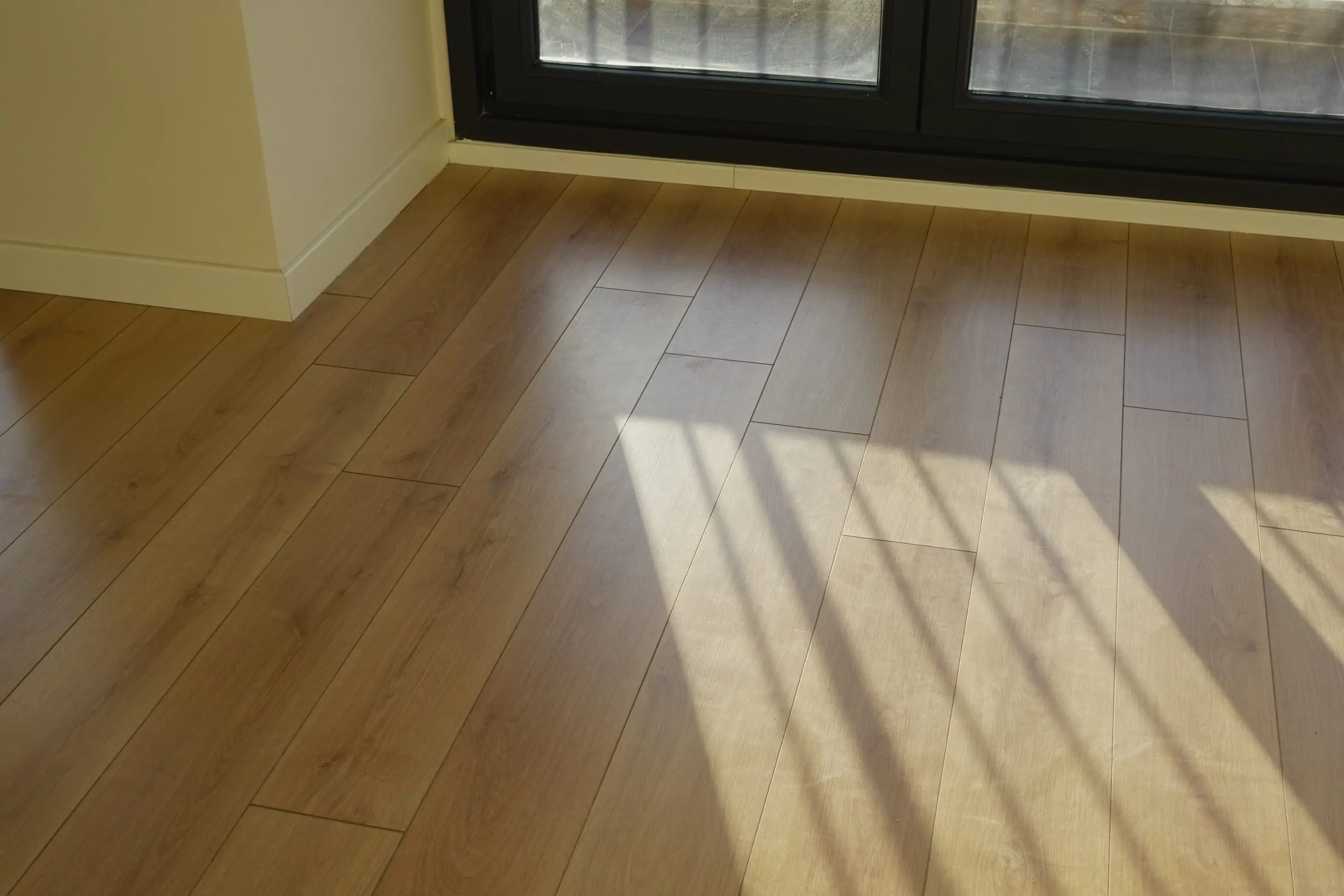
Second, sunlight through a villa window is relentless. Floors near glass fade, and some vinyls and cheaper laminates will also expand where the sun heats them directly. Materials that are UV stable and dimensionally stable simply last longer here, regardless of what they cost.
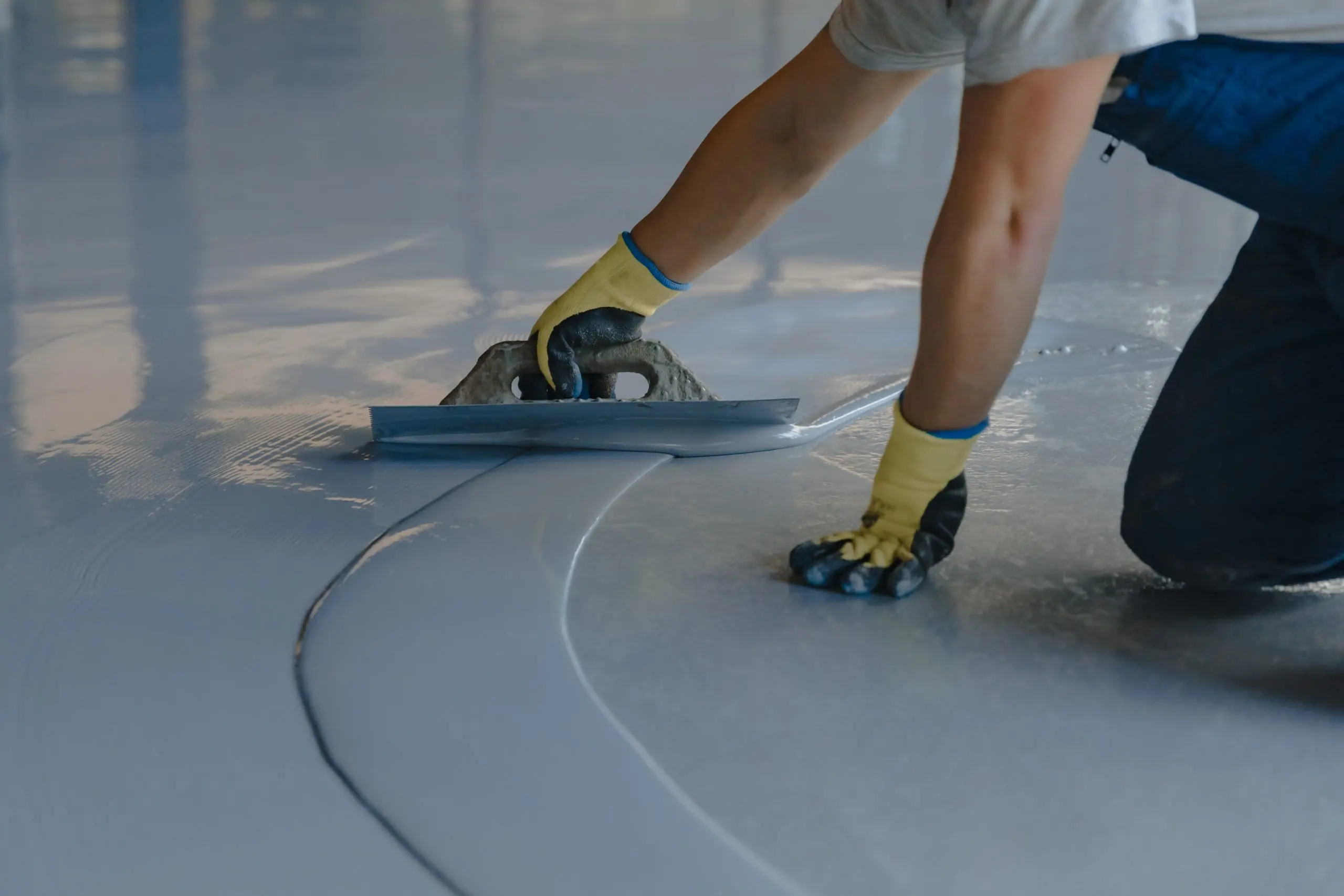
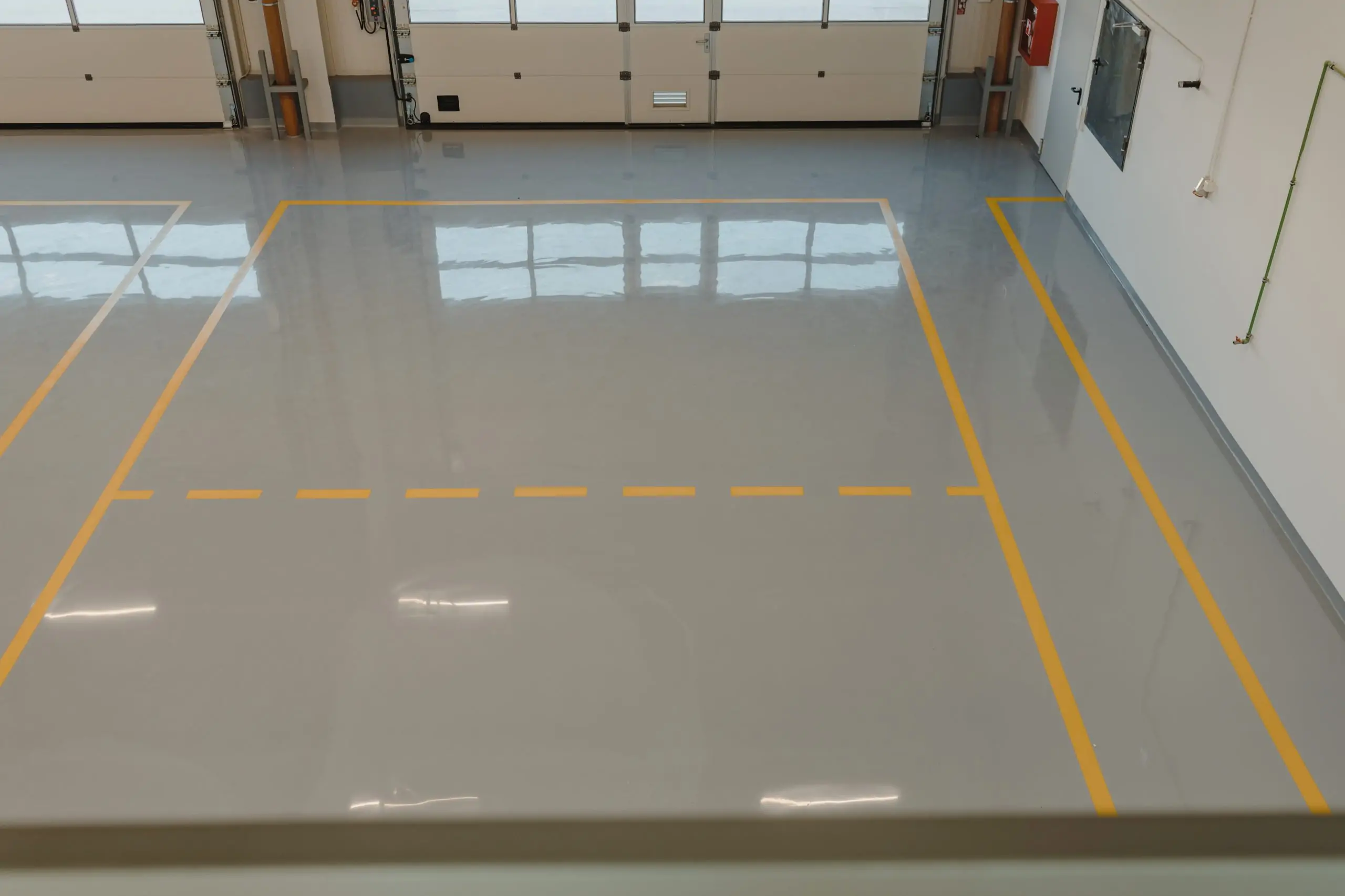
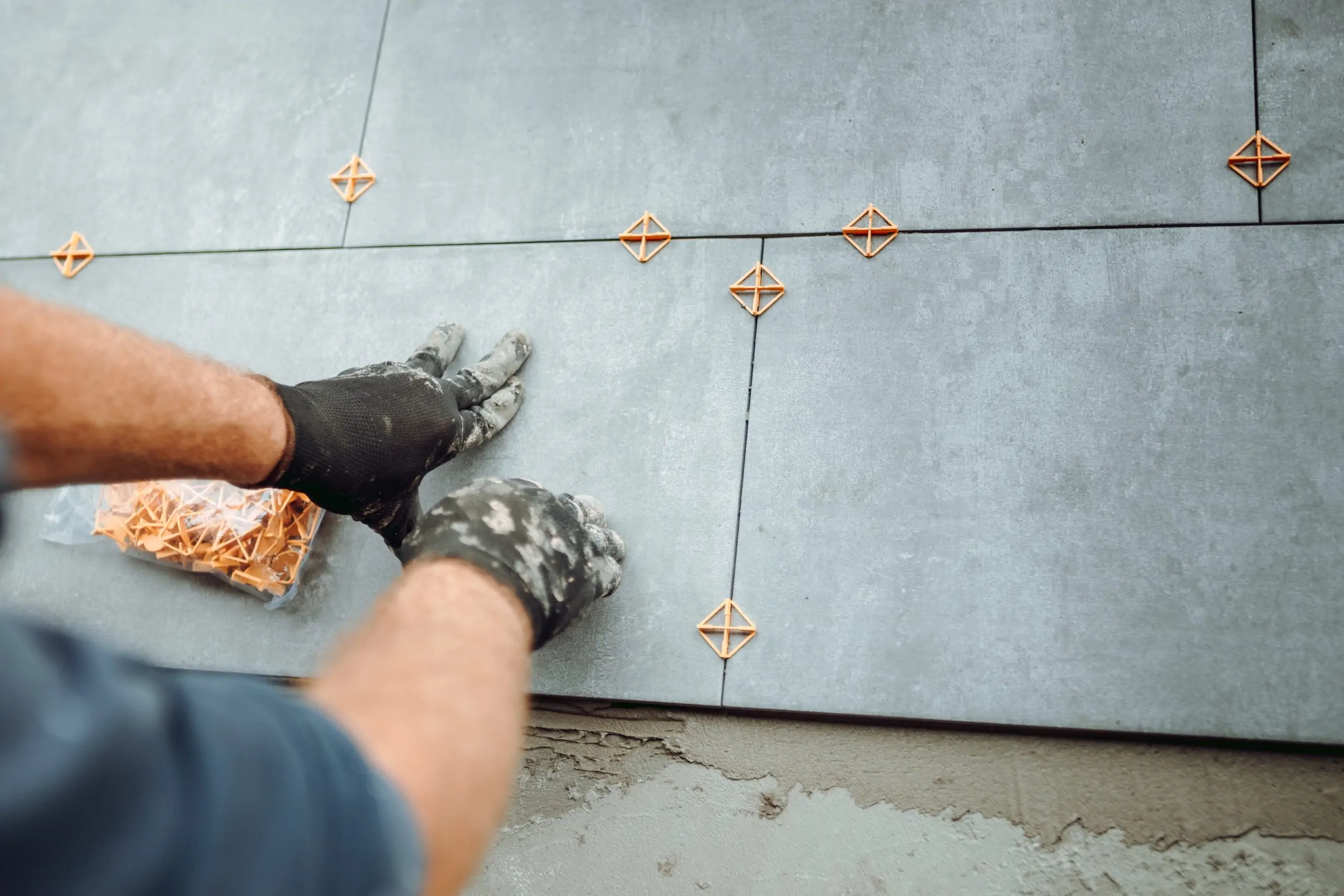
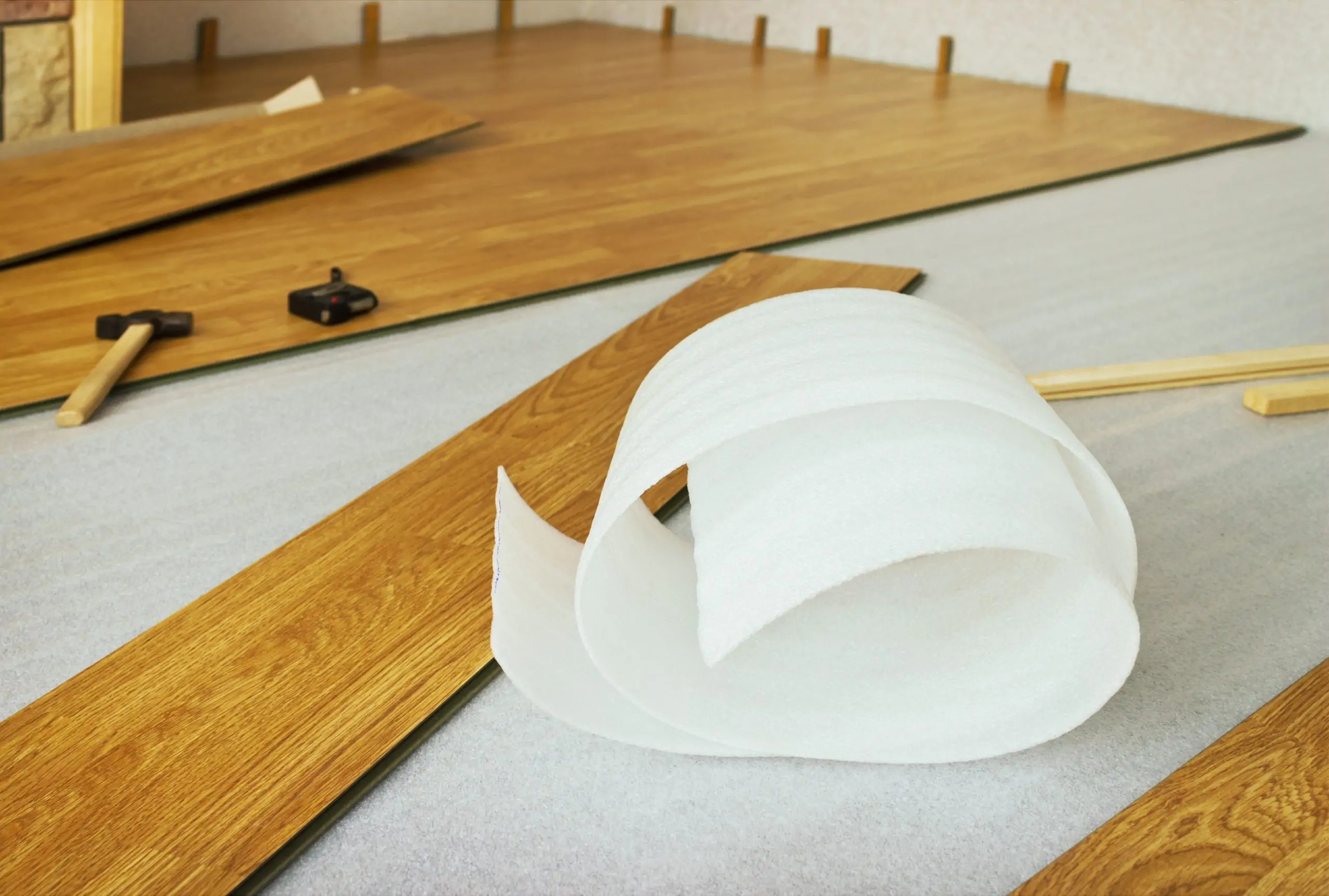
Third, and less obvious: the substrate matters as much as the floor. Large-format tiles and engineered timber both need a flat screed, and a floor laid over an uneven one will show lippage between tiles or bounce underfoot. Levelling is not an optional extra on those systems — it is part of the cost. See flooring services.
 Substrate firstFlatness is part of the cost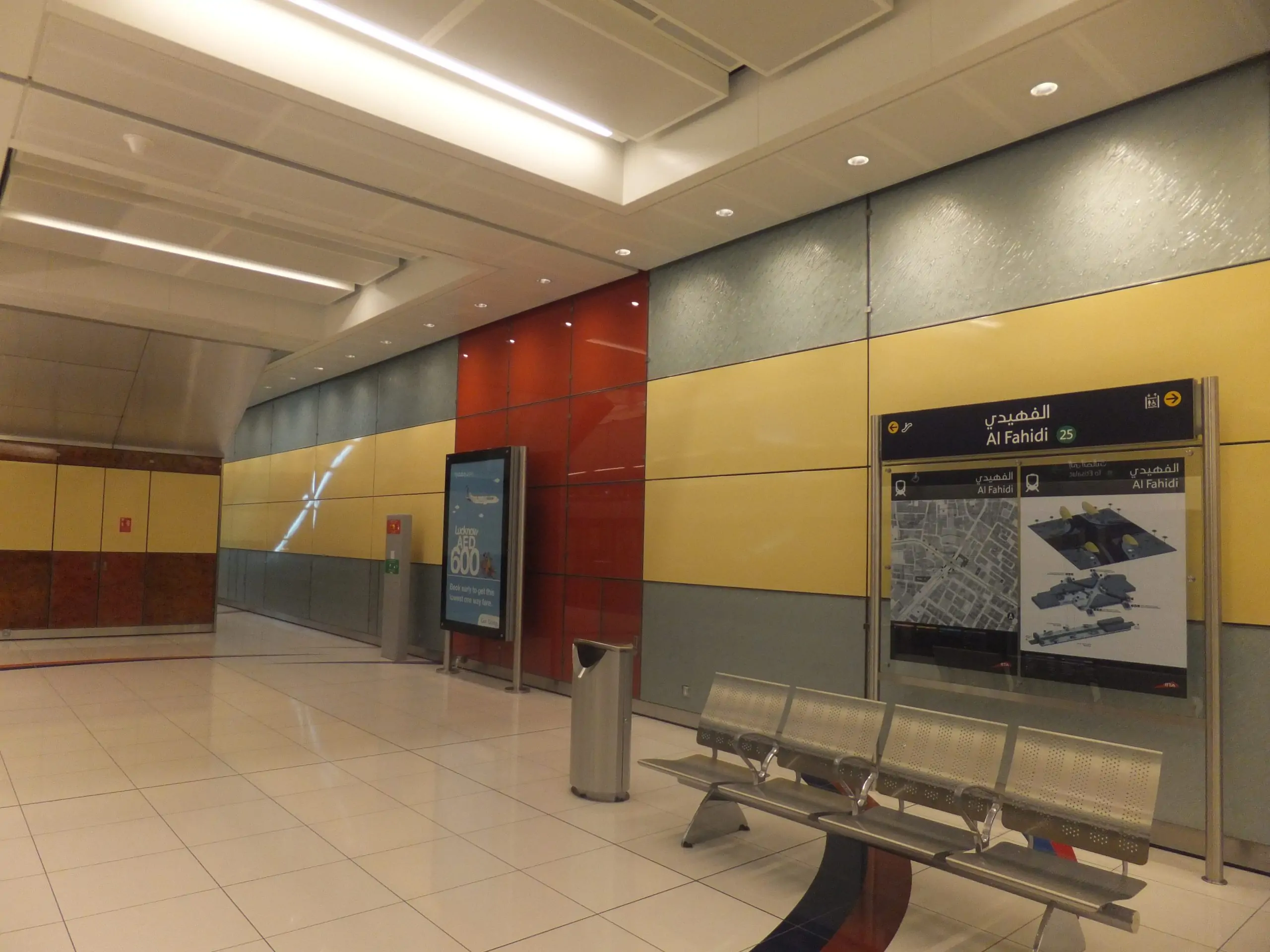
Six flooring types compared
Every one of these works somewhere in a Dubai home. The mistake is using one in the wrong room.
Porcelain tile. The default for a reason. Waterproof, scratch resistant, UV stable, unaffected by humidity, and cool underfoot in summer, which matters here. Large formats read calmly and need a flat substrate. Suits everywhere including wet areas, terraces and kitchens. Can feel hard and cold in bedrooms.
Engineered timber. A real timber wear layer over a stable plywood core, so it handles Dubai humidity far better than solid wood. Warm, quiet, and can be sanded and refinished once or twice. Right for bedrooms, living rooms, studies and dressing rooms. Not for bathrooms, and not a good idea in a kitchen with a dishwasher.
SPC and rigid-core vinyl. A stone-polymer composite core with a printed and textured wear layer. Fully waterproof, dimensionally stable in heat, hard-wearing, quick to install, and convincing at the better end. The best value option for rentals, family homes and anywhere durability matters more than authenticity.
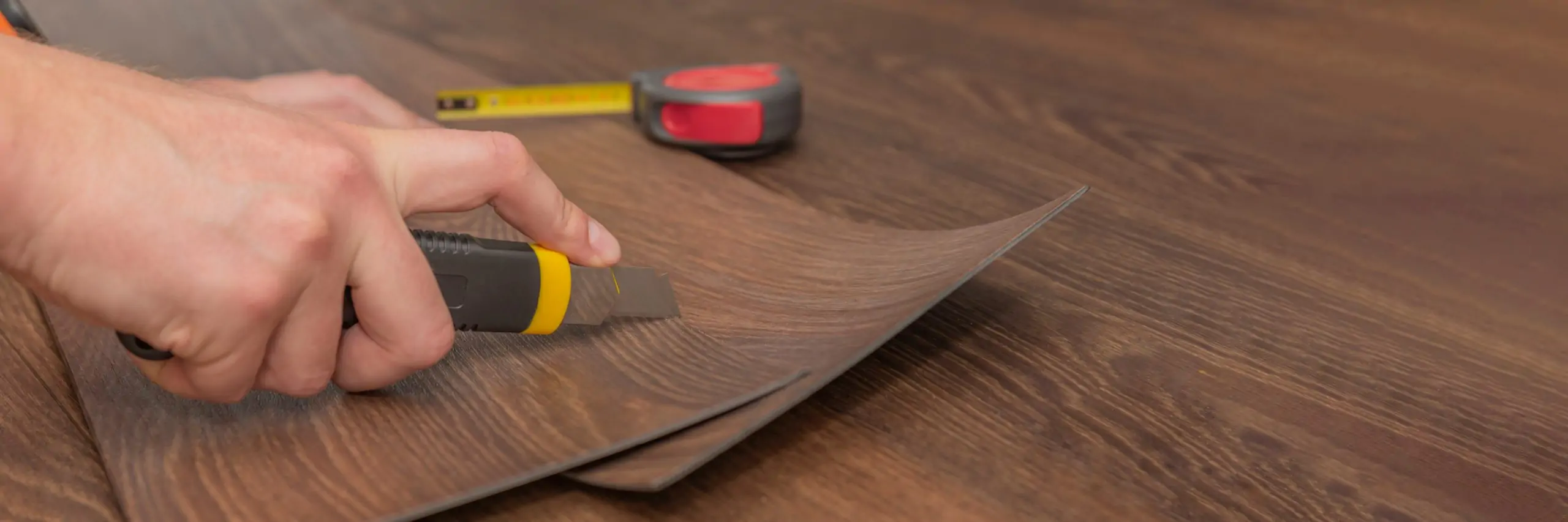
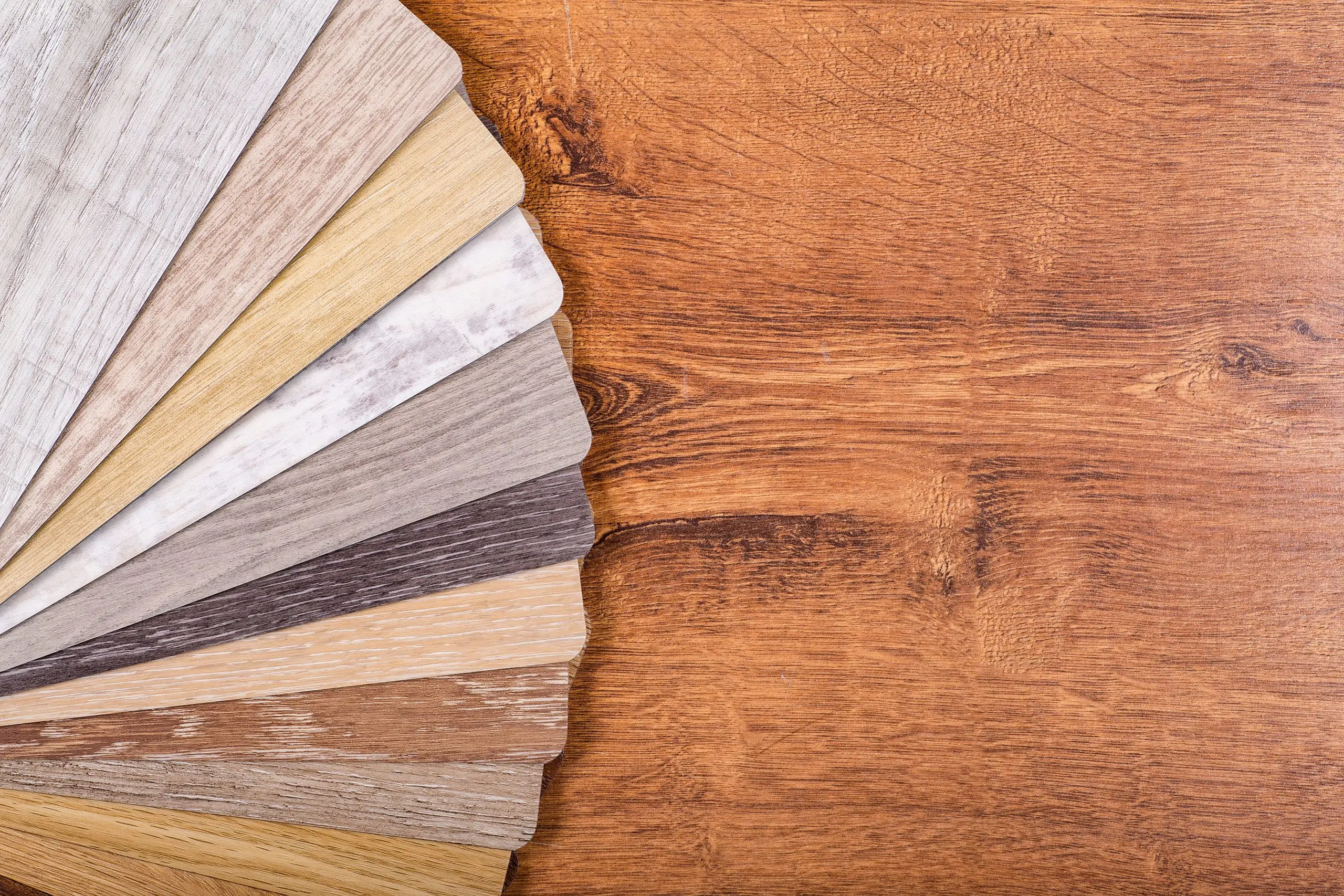
Luxury vinyl tile. Thinner and more flexible than SPC, glued to the substrate, and it telegraphs every imperfection beneath it — so it needs a very flat, very clean screed. Where that is done it is quiet, warm, waterproof and comfortable.
Natural stone. Marble, travertine, limestone and granite. Unmatched depth and genuinely premium underfoot, cool in summer, and the traditional Dubai villa finish. Porous, so it needs sealing, and polished stone in a wet area needs a slip rating checked rather than assumed. See stone works.
Carpet. Out of fashion and still the right answer in bedrooms, home cinemas and upstairs rooms in apartments, where it is warm, quiet and takes impact sound out of the floor below. Needs a good underlay to be worth having.
Flooring rates in Dubai
Supplied and laid in Dubai over a prepared substrate. Levelling and screed correction are priced separately because they depend on what is already there.
| Material | Unit | Typical range |
|---|---|---|
| Porcelain tile, standard format | per sq m | AED 90 – 180 |
| Porcelain tile, large format | per sq m | AED 140 – 260 |
| Engineered timber, 3–4 mm wear layer | per sq m | AED 180 – 320 |
| Engineered timber, 5–6 mm wear layer | per sq m | AED 280 – 450 |
| SPC / rigid-core vinyl | per sq m | AED 90 – 180 |
| Luxury vinyl tile, glued | per sq m | AED 120 – 250 |
| Natural stone, marble or limestone | per sq m | AED 260 – 750 |
| Carpet with underlay | per sq m | AED 90 – 280 |
| Skirting, supplied and fitted | per linear m | AED 45 – 160 |
| Levelling compound | per sq m | AED 45 – 95 |
| Screed to correct falls or level | per sq m | AED 55 – 130 |
| Removal of existing floor | per sq m | AED 45 – 110 |
| Acoustic underlay | per sq m | AED 35 – 90 |
| Threshold or transition strip | each | AED 90 – 350 |
Material is usually half to two thirds of the installed rate. Where a quotation looks unusually cheap, check whether levelling, removal of the old floor, skirting and thresholds are included — they are often the difference.
What we would actually specify
Living and dining rooms: porcelain in a large format if you want the cooler, harder look, or engineered timber if you want warmth. Both work; it is a question of how the room is used and whether there are children and pets. A rug defines the seating zone either way.
Kitchens: porcelain, without hesitation. It takes dropped pans, standing water from a dishwasher leak, and the heat and cleaning that a kitchen floor gets. Timber in a kitchen is a decision you will eventually regret, usually at the dishwasher.
Bathrooms and wet areas: porcelain or stone, with the slip rating checked rather than assumed. A polished floor in a shower area is genuinely dangerous when wet, and it is the single most common specification mistake in Dubai bathrooms.
Bedrooms: engineered timber or carpet. Both are warm and quiet, and in an apartment a softer floor with a good underlay keeps the peace with the neighbour below. Porcelain in a bedroom is cold underfoot in winter and acoustically hard.
Terraces and outdoor: exterior-grade porcelain in a light colour, or hardwood decking on a ventilated substructure. A dark stone terrace in July is too hot to walk on barefoot, which people discover after it is laid.
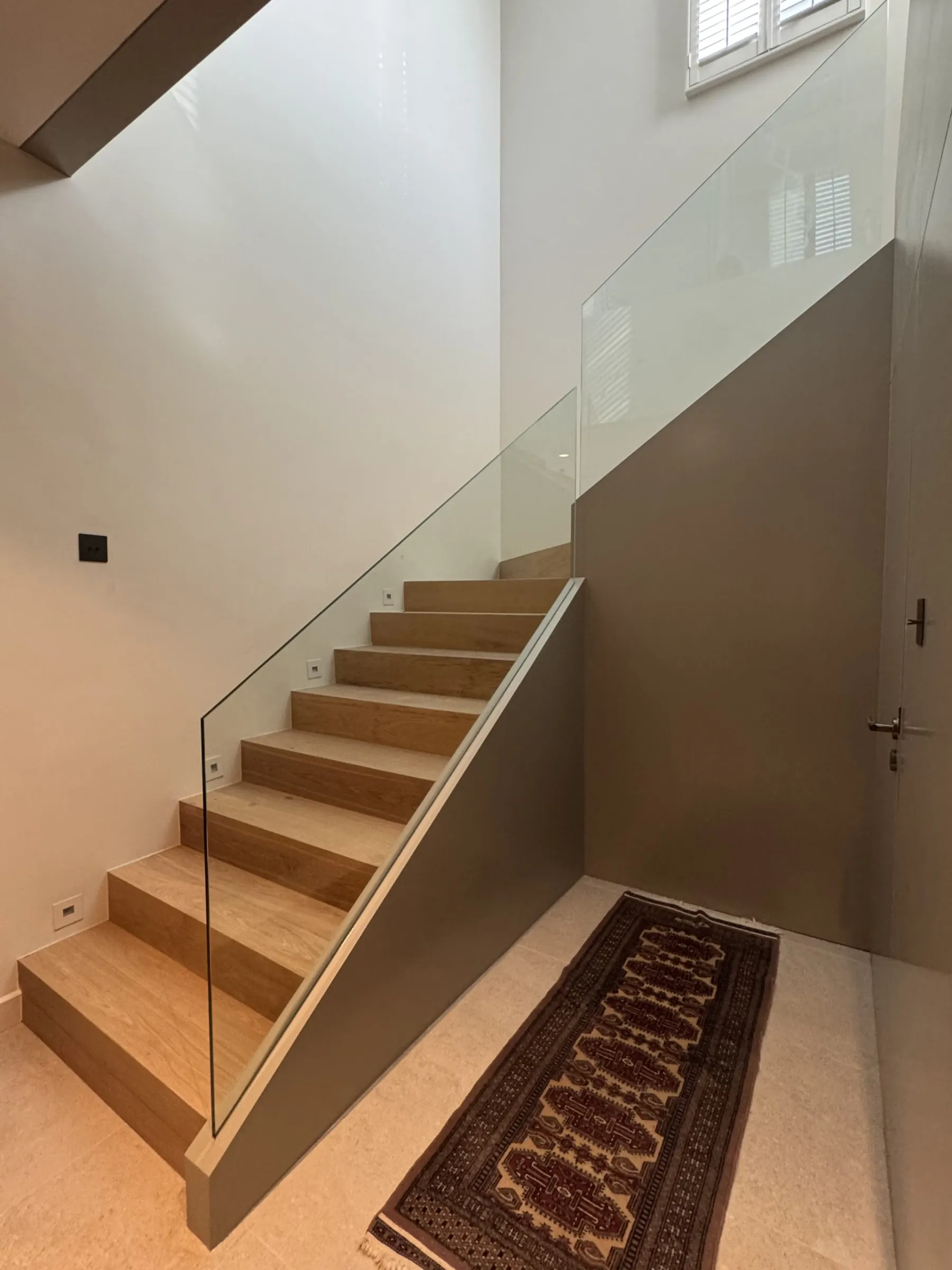
Stairs: stone or timber treads with the nosing detailed properly, and a non-slip inset where the stair is used in wet feet. See staircase services.
 Room by roomOne house, several floors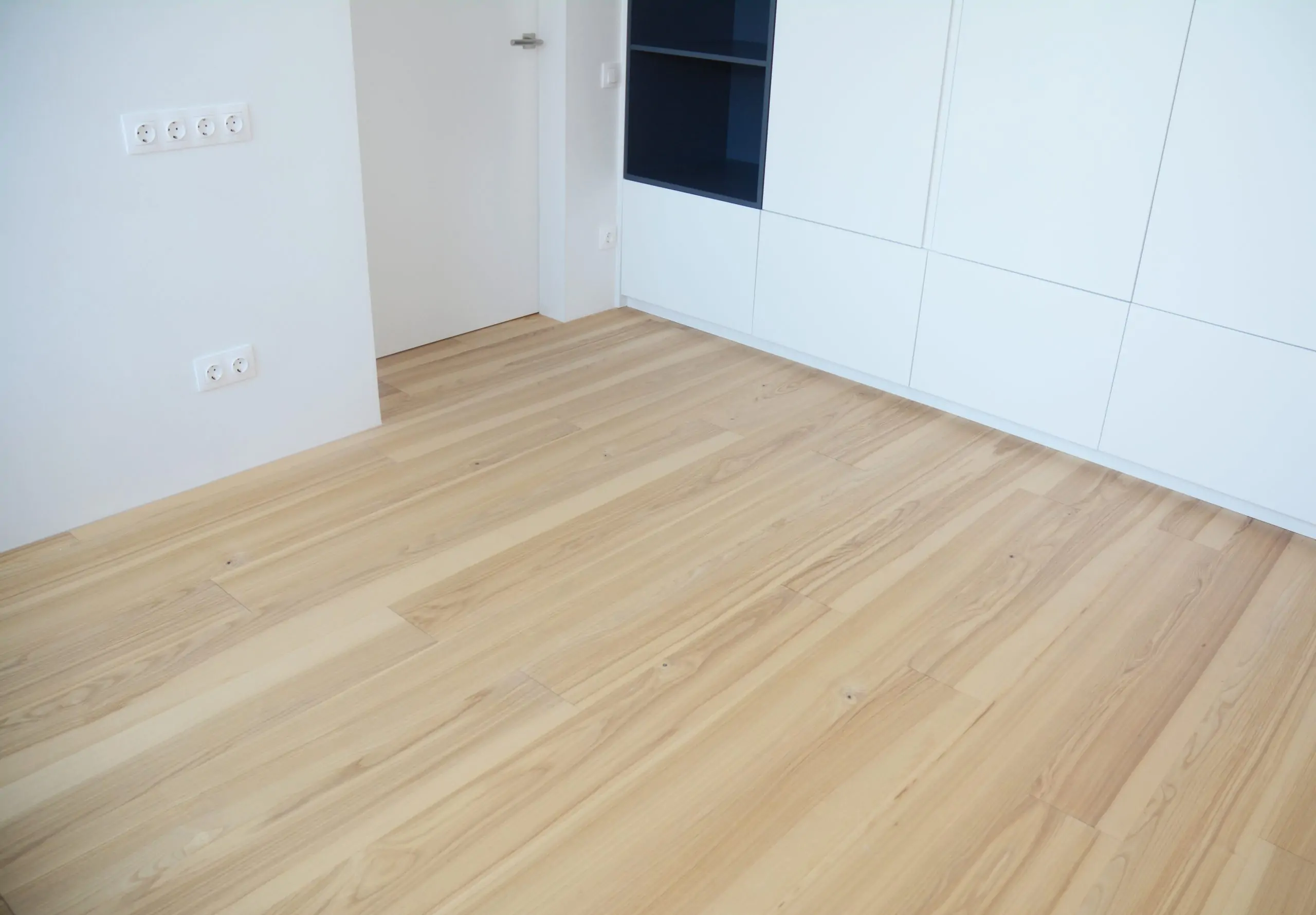
The things that decide whether a floor lasts
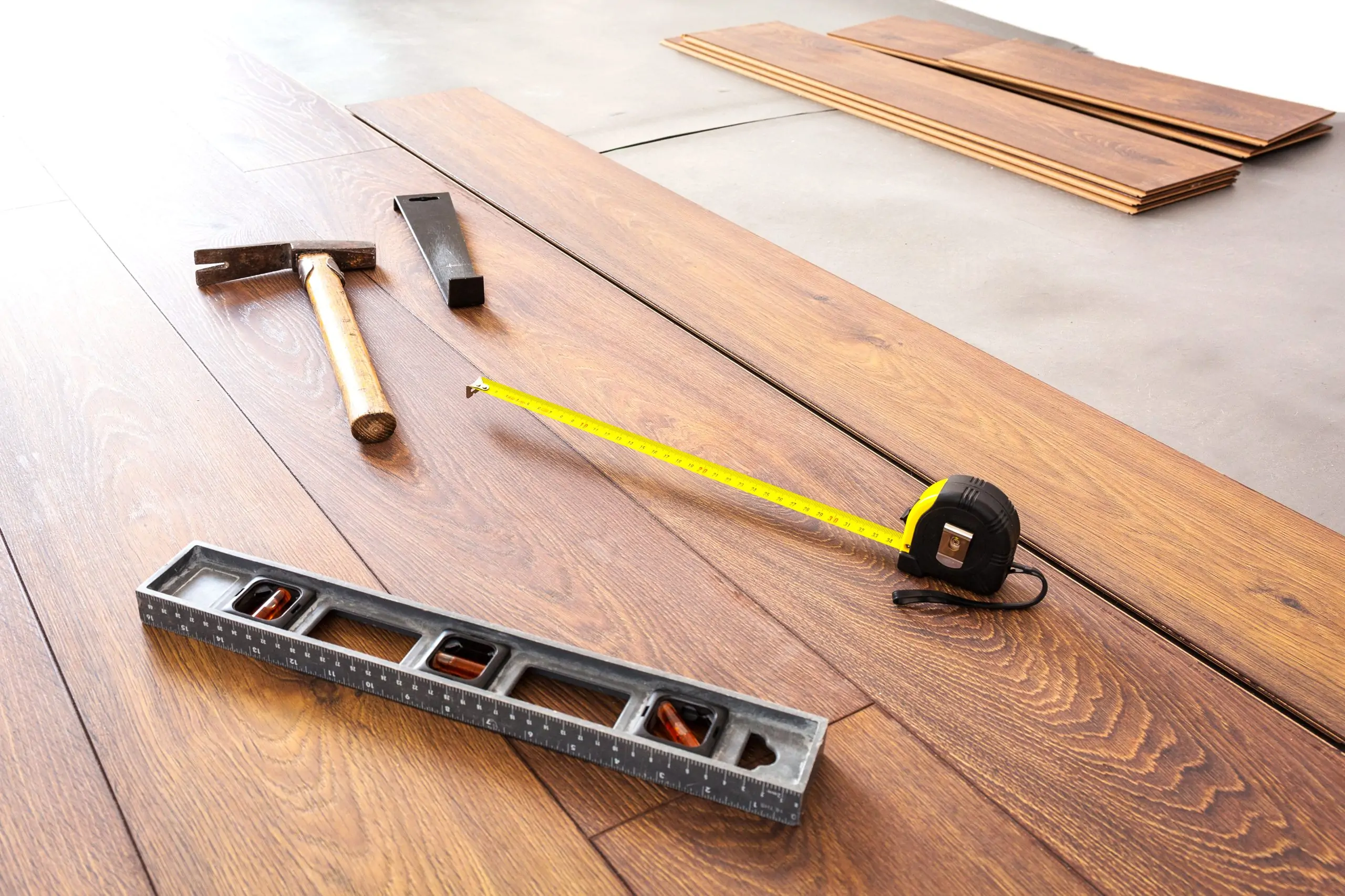
Flatness first. Large-format tiles need roughly three millimetres over two metres, and anything less shows as lippage at the tile edges — a lip you feel with a bare foot and cannot correct once the adhesive has gone off. Engineered timber over an uneven screed will flex and eventually click underfoot.
Expansion gaps matter more here than in temperate climates. Floating floors need a perimeter gap that is genuinely left open and covered by the skirting, not filled with adhesive. In a Dubai apartment with strong air conditioning and a hot exterior, a floating floor with no room to move will buckle at a doorway within a season.
And the transitions. Different materials meet at doorways, and a properly detailed threshold — flush where possible, with the substrate built up to suit — is what separates a floor that looks designed from one that looks assembled. Plan the thresholds before the floors, not after.
Choosing flooring: common questions
What is the best flooring for a Dubai apartment?
Porcelain tile for living areas, kitchens and bathrooms, and engineered timber or carpet in bedrooms. Porcelain handles humidity, heat and water without complaint, and it stays cool underfoot in summer.
Can I use real wood flooring in Dubai?
Engineered timber, yes — a real wood wear layer on a stable core handles the humidity swings well. Solid hardwood is generally a mistake here, because it moves with humidity and will cup, gap or creak.
Is SPC flooring any good?
For durability and value, yes. It is fully waterproof, stable in heat, hard-wearing and quick to lay, and the better products look convincing. It is the sensible choice for rentals, family homes and high-traffic areas.
How much does flooring cost in Dubai?
AED 90 to 260 per square metre for porcelain, AED 180 to 450 for engineered timber, AED 90 to 180 for SPC, and AED 260 to 750 for natural stone, supplied and laid over a prepared substrate.
Do I need to level the floor first?
For large-format tile and engineered timber, almost always. They need roughly three millimetres of flatness over two metres, and lippage or flex from an uneven screed cannot be corrected once the floor is down.
What flooring is safe in a bathroom?
Porcelain or stone with the slip rating specified rather than assumed. A polished floor in a shower area is dangerous when wet, and it is the most common specification mistake we are asked to correct.
Can new flooring be laid over existing tiles?
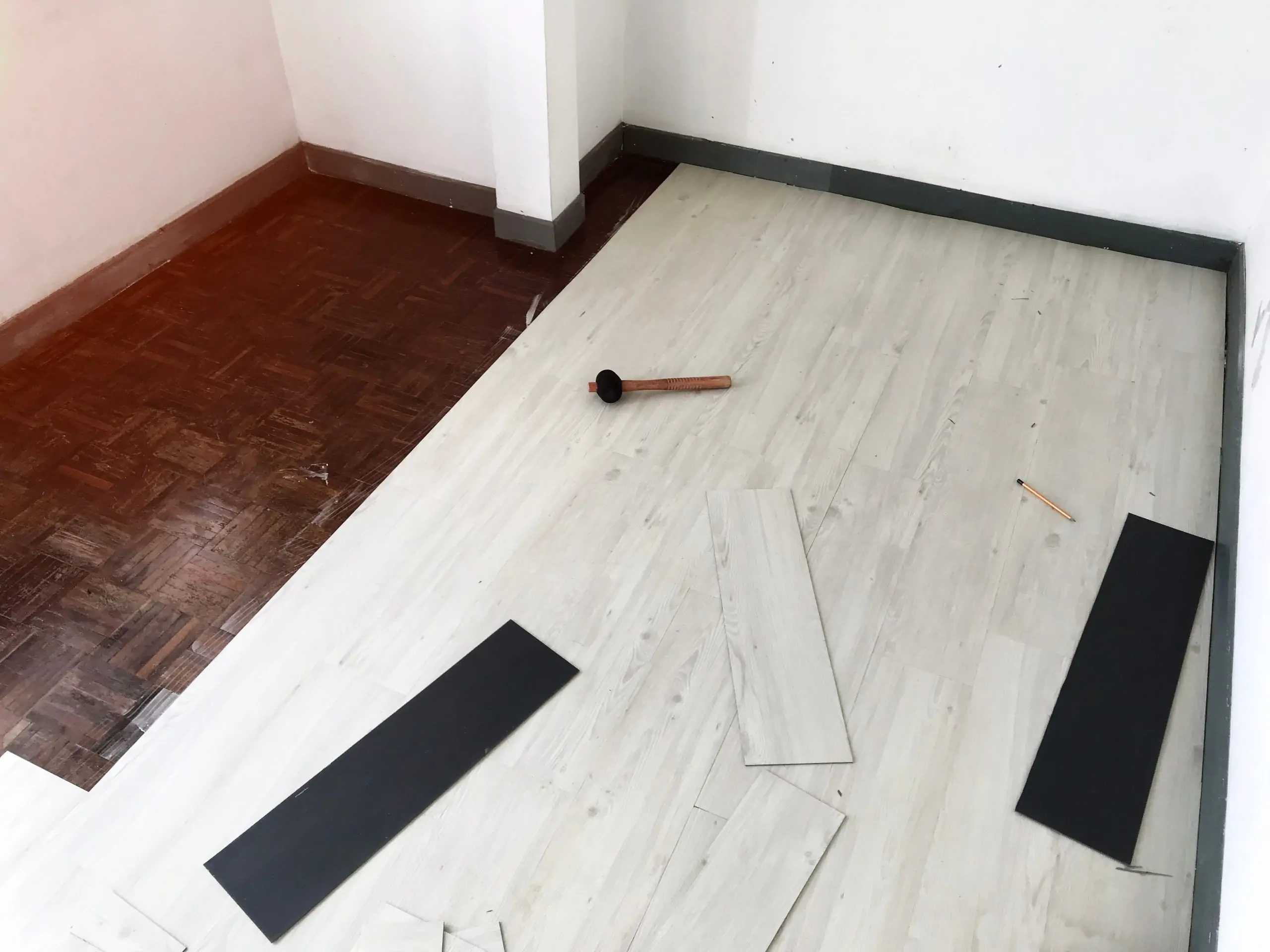
Often yes, for SPC, vinyl and engineered timber, provided the tiles are sound, flat and the resulting floor height still works at doors and thresholds. It saves the cost and mess of removal.
Which flooring is best for a rental property?
SPC or rigid-core vinyl. It is waterproof, resists scratching, takes furniture movement well, and individual planks can be replaced if damaged — which over several tenancies matters more than authenticity.
Bring us the room, not the sample
Tell us the rooms, how they are used and what is under the current floor. We will tell you what will last, what the substrate needs and what it costs laid.