Home › Residential › Office and boardroom
Home office and boardroom in Dubai, a workplace inside a home
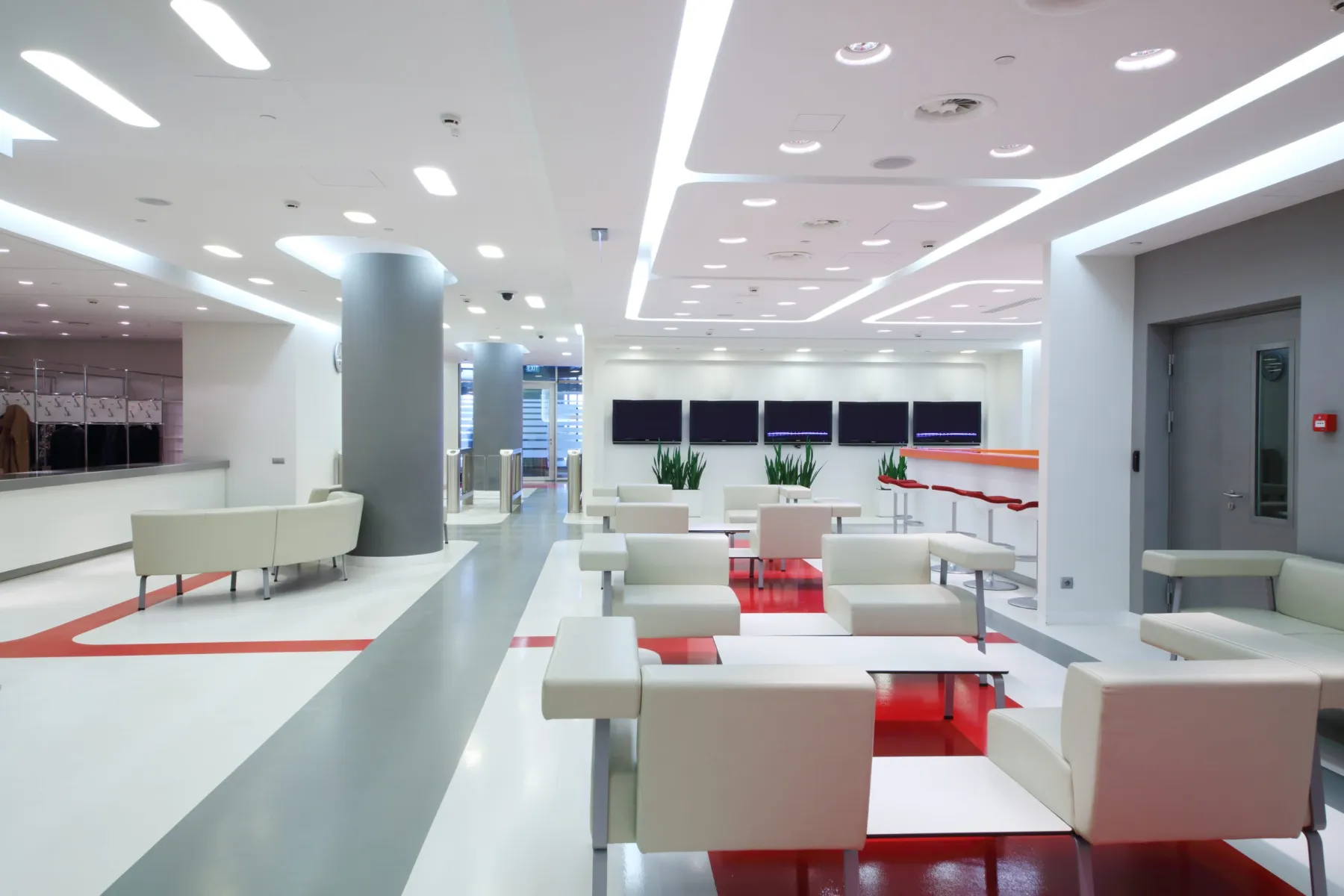
Executive desks, meeting and boardroom tables, storage walls, acoustic treatment, AV integration and glass partitions — built to a commercial standard inside a villa, so business can be done properly at home.
What a home office and boardroom involves and what it costs
A home office and boardroom fit-out in Dubai covers an executive desk and seating, a meeting or boardroom table, storage and credenza joinery, acoustic treatment, glass or solid partitions, AV and screen integration, lighting and structured cabling. Expect AED 35,000 to 90,000 for an executive home office and AED 70,000 to 250,000 where a separate boardroom with AV and glazed partitions is included. Abdulla Carpentry EST builds commercial fit-outs and applies the same standards in a residential setting.
A great many people in Dubai genuinely run a business from home, and the requirement is different from a study. Clients and colleagues come to the house. Video calls happen at hours when the rest of the family is awake. Documents and equipment need to be secure. And the room has to look like a place of business without turning the villa into an office block.
The three things that make it work are separation, acoustics and a proper meeting surface. Separation means a route from the entrance to the office that does not go through the family living space — often achievable by repurposing a ground floor majlis or a garage conversion. Acoustics means a room where a confidential call stays in the room, which is a partition and door specification rather than a decorating one.
And the meeting surface — a boardroom table sized for the number you actually host, with power and data in the table, a screen on the wall at the right height, and seating people can sit in for two hours. Those are commercial details, and they are what separate a home office from a desk in a spare bedroom.
 Commercial specBuilt inside a villa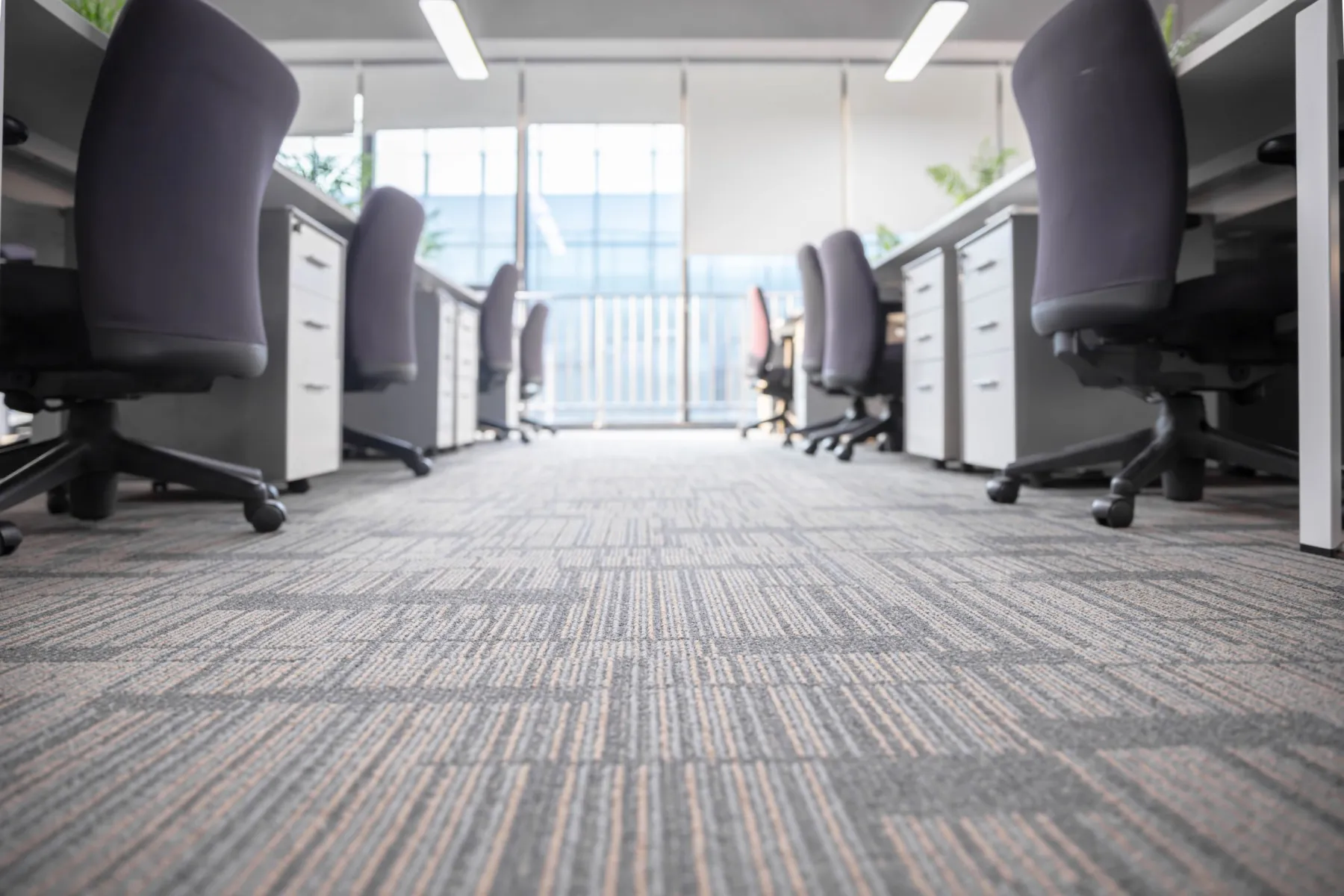
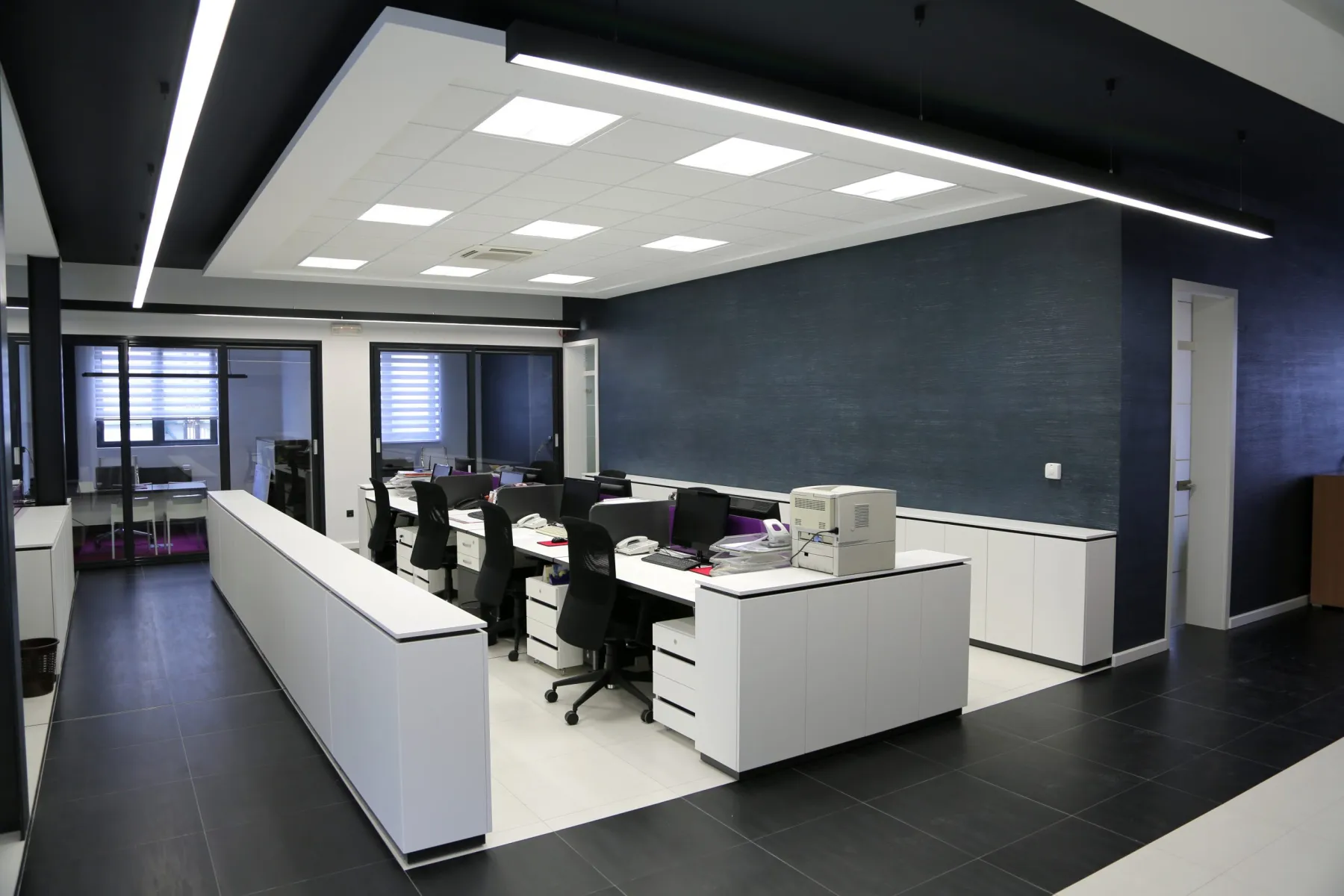
The elements of a home office and boardroom
Most of this is joinery, glass and services. The construction work is usually limited to partitions, acoustics and power.
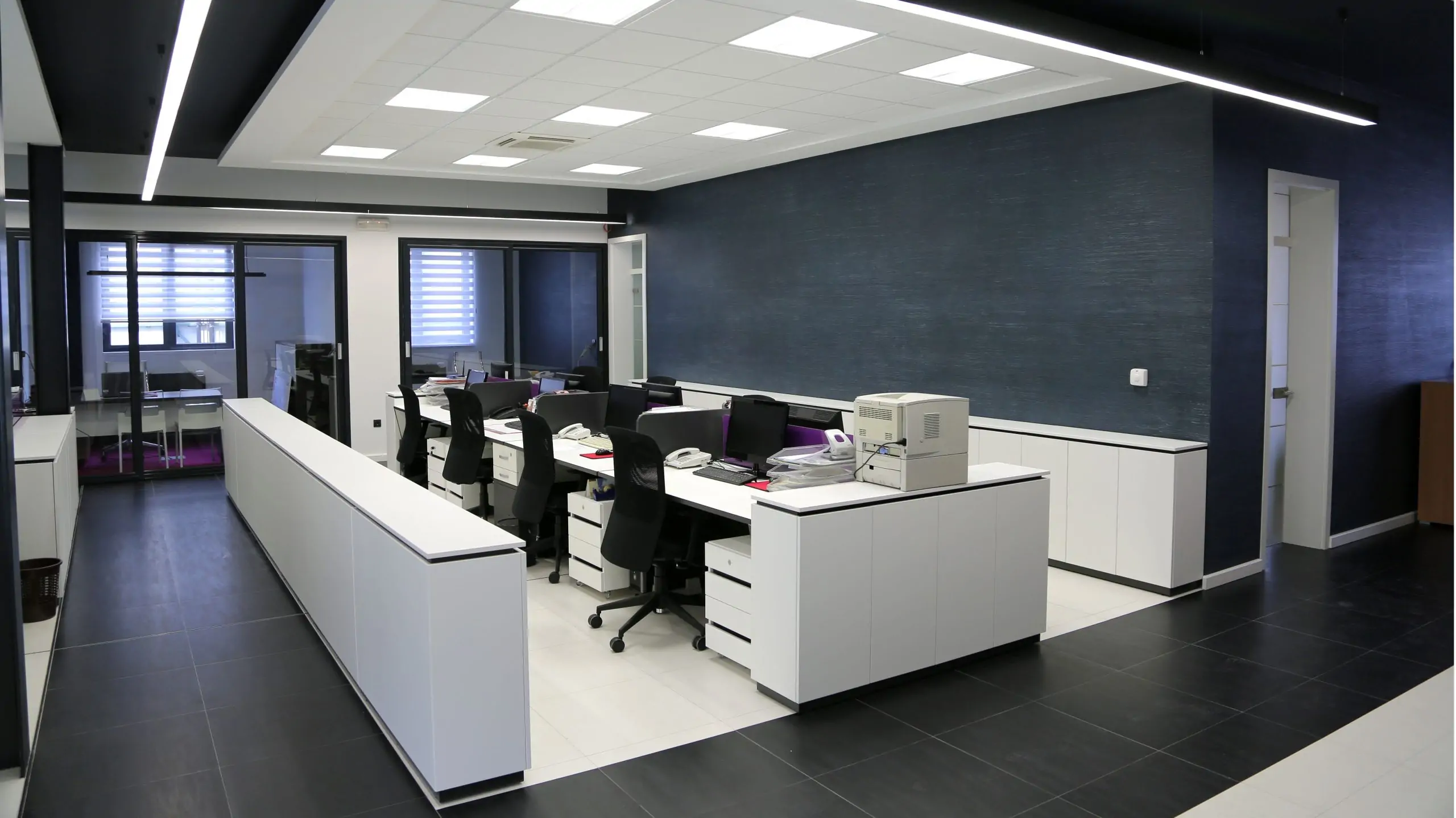
Executive desk and workstation. Made to size, with integrated cable management, a return or credenza within reach, and a drawer pedestal with a lockable section. Height 720 to 750 millimetres, or a sit-stand mechanism where it is used for long days.
Boardroom and meeting tables. Sized for the number you seat, with power and data grommets or pop-up boxes set into the top, and a base positioned so nobody is straddling a leg. Solid timber, veneer, or stone-topped on a fabricated metal base. See metal works.
Storage and credenza joinery. Files, equipment, printers and refreshments. A credenza along the boardroom wall gives a serving surface, conceals AV equipment and hides the printer, which otherwise dominates any room it is in.
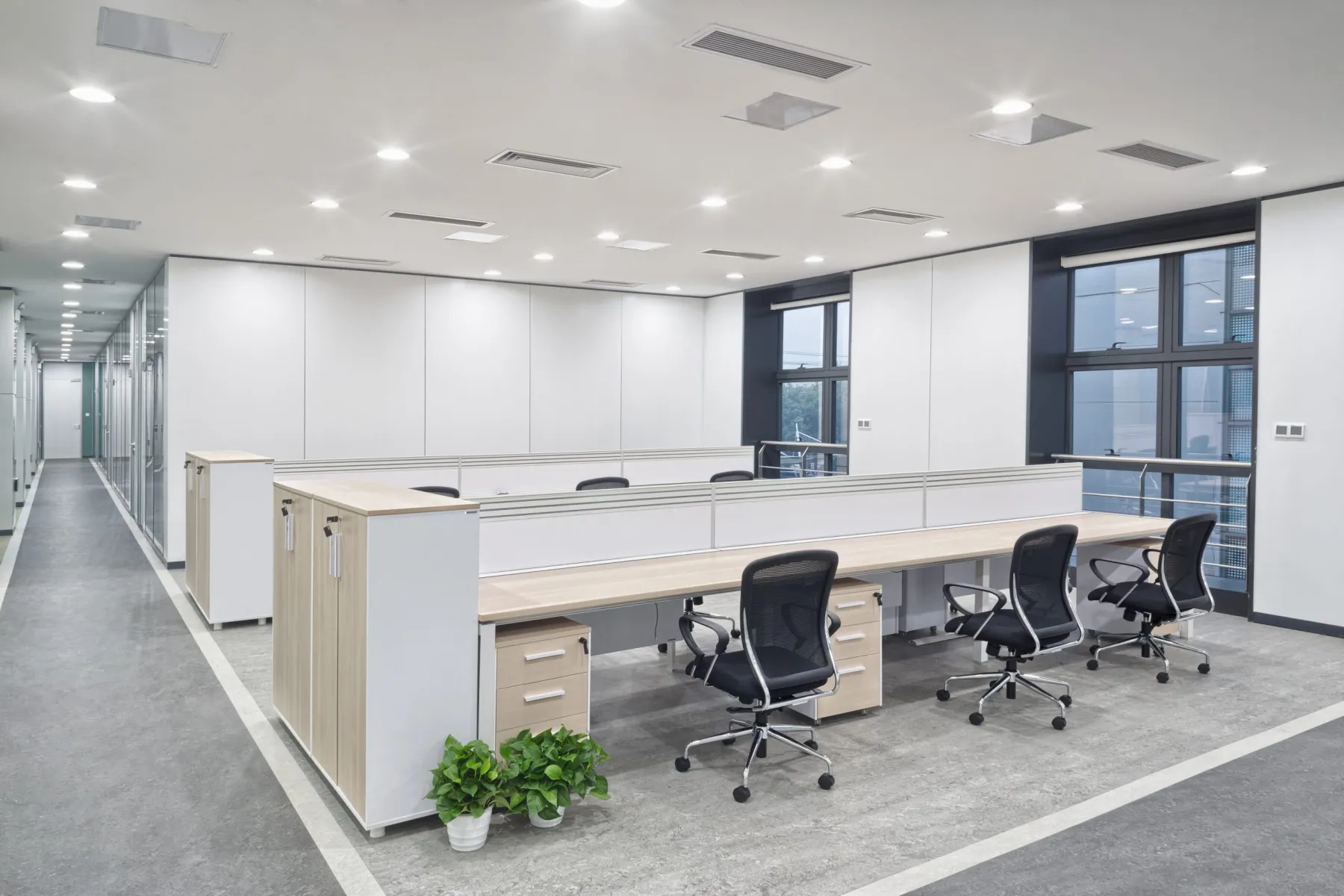
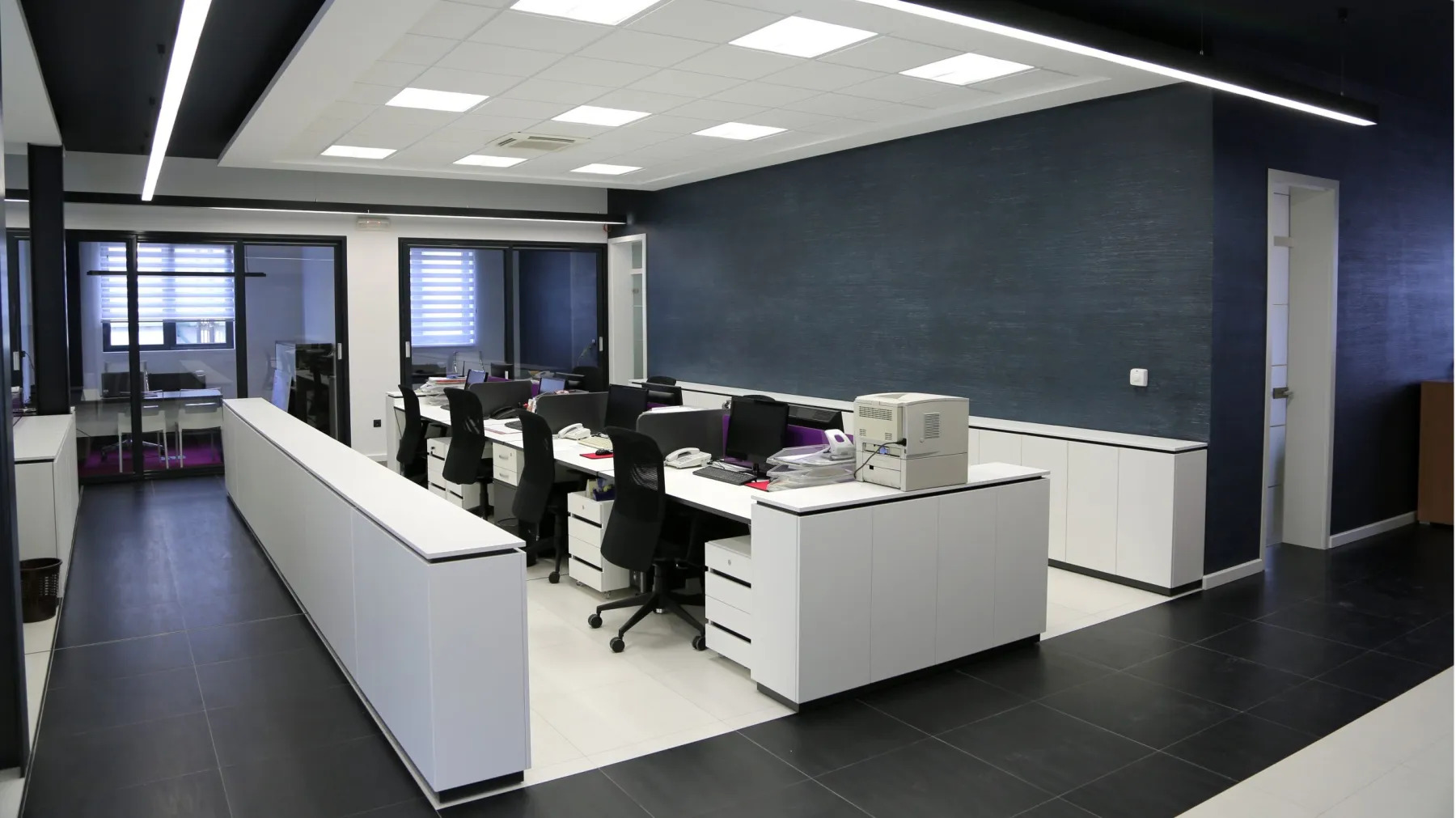
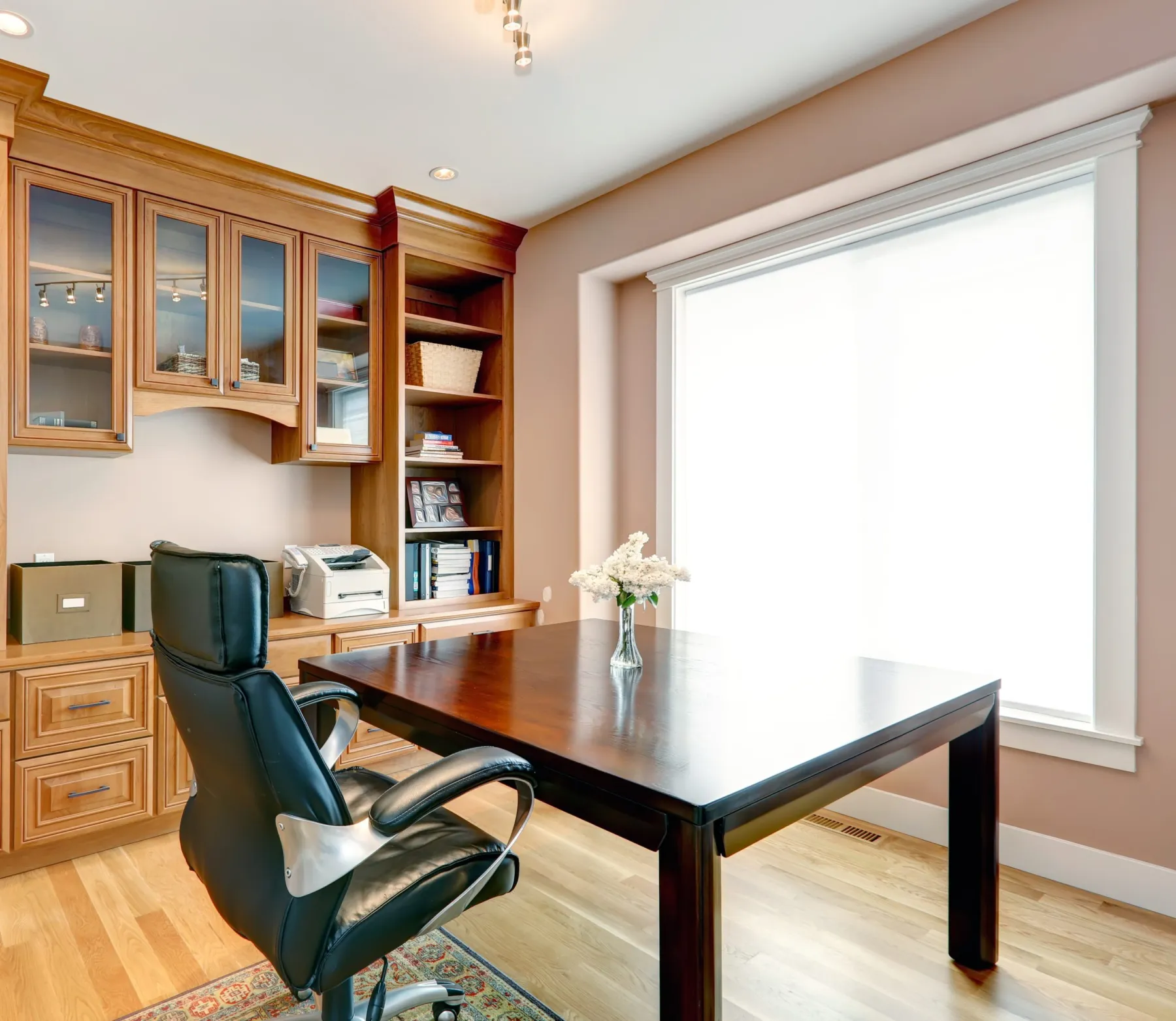
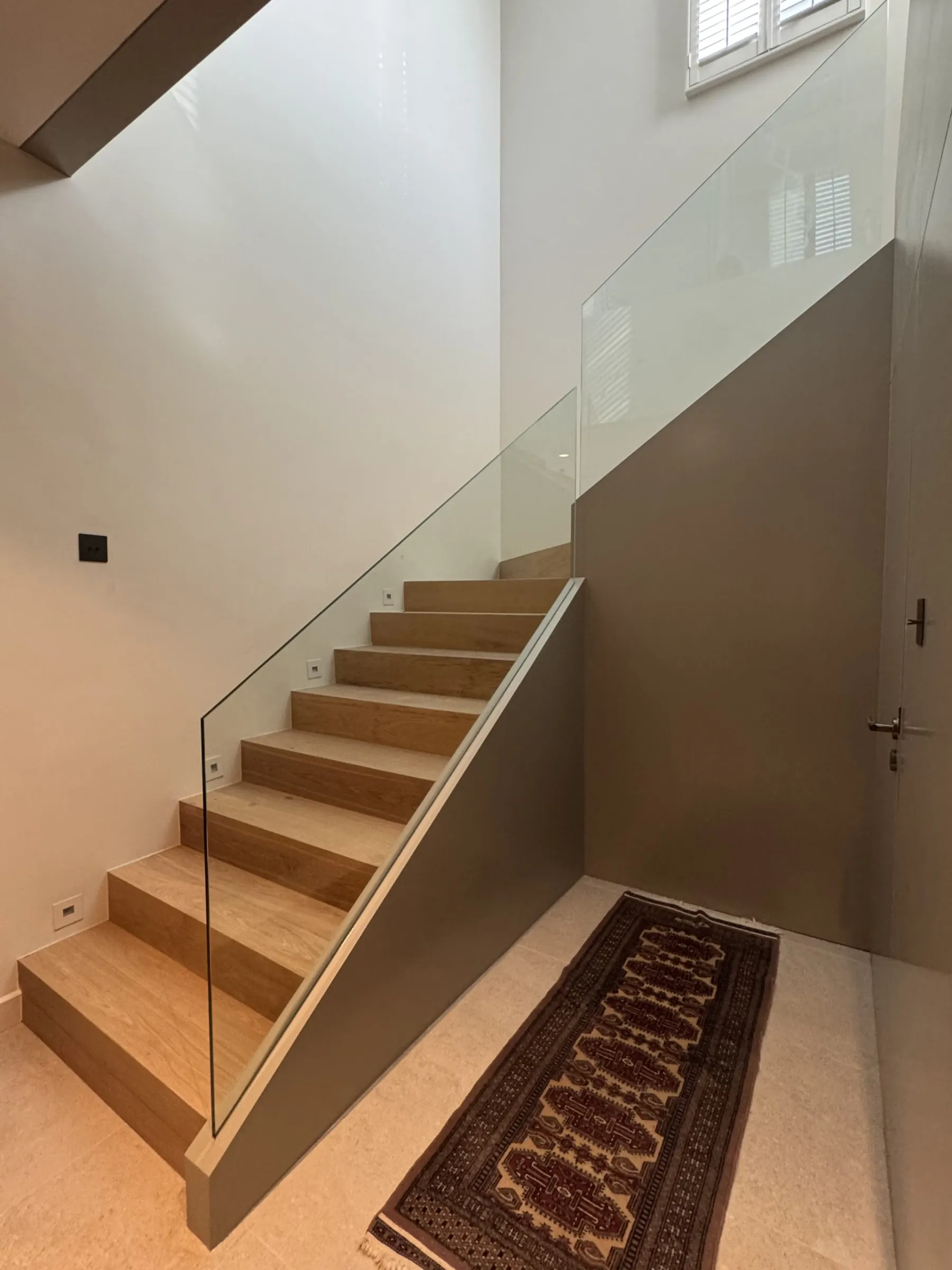
Partitions and glass. Glazed partitions to keep daylight moving through the villa while separating the office, or solid acoustic partitions where privacy matters more than light. Often a combination, with manifestation or integrated blinds. See glass works and partition works.
Acoustics and AV. Double-boarded insulated partitions, a solid core door with seals, fabric-wrapped absorption panels, and a screen with concealed cabling, a camera at eye height and a ceiling or table microphone where video conferencing is routine.
Lighting and power. A commercial standard of lighting — even, glare-free and at a useful level on the desk plane — plus dedicated circuits, structured data cabling and a UPS point for the network equipment. See electrical services.
The part that decides whether it works
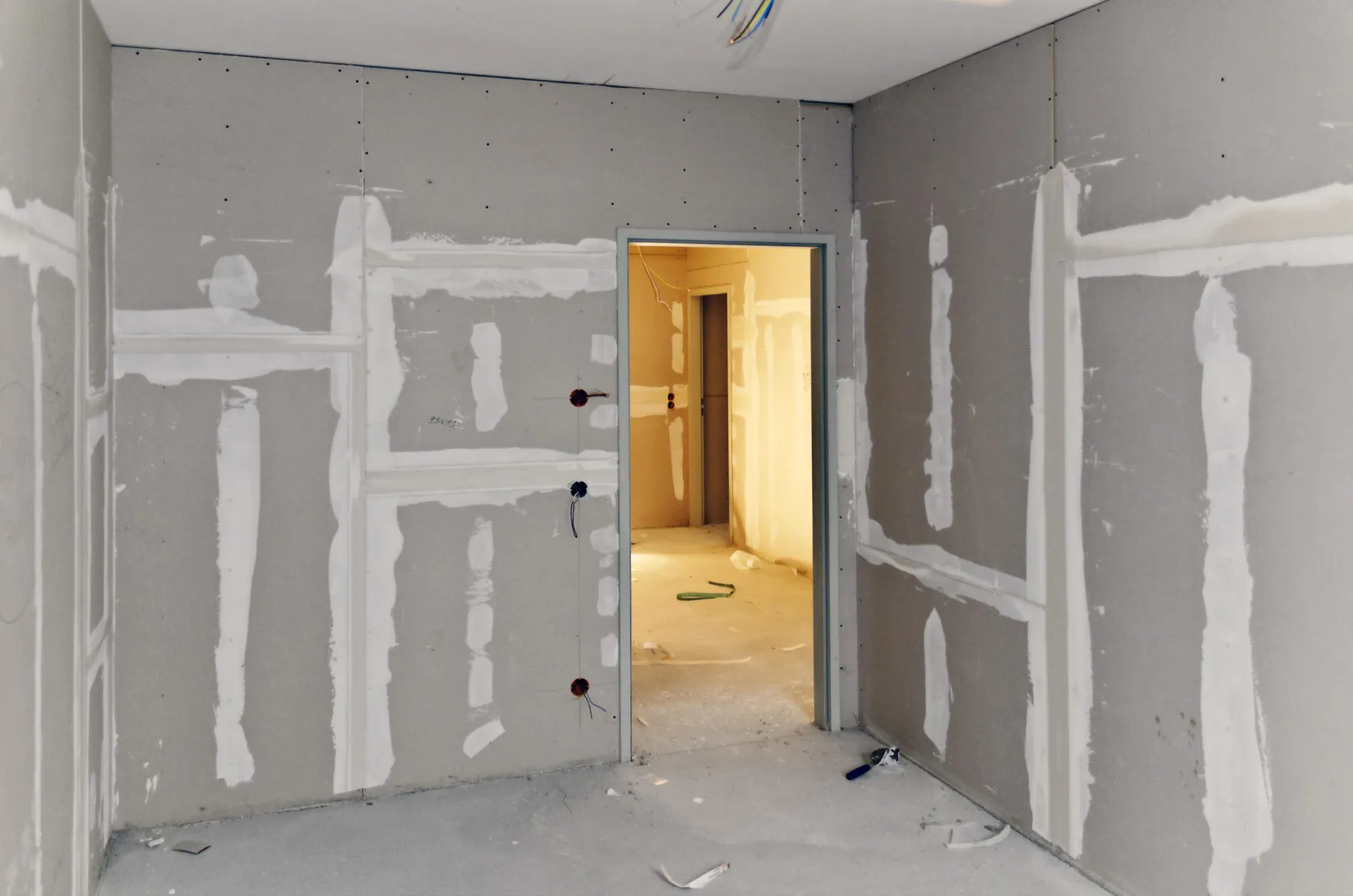
Two acoustic problems occur in a home office and they need different solutions. The first is privacy: can a conversation in the room be heard outside it? That is about the partition, the door and the ceiling. A single-boarded stud wall stopped at the ceiling, with a hollow door, gives you no privacy at all — every word carries over the top of the ceiling and under the door.
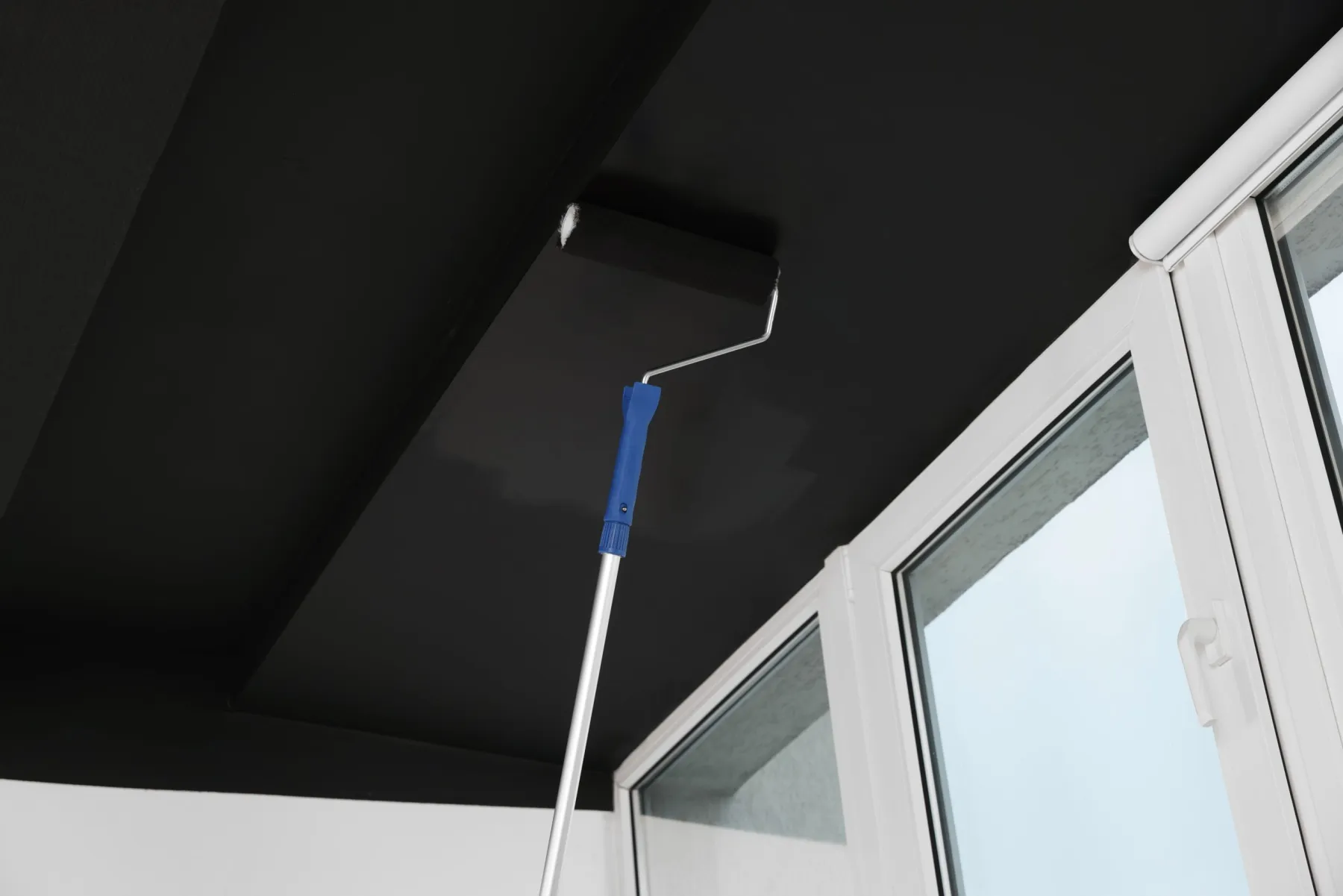
The fix is a double-boarded partition with insulation in the cavity, built to the slab rather than the ceiling, with a solid core door, an acoustic seal set and a drop seal at the threshold. That combination turns a room with no privacy into one where a confidential call is genuinely confidential.
The second problem is how the room sounds to the people on the other end of your calls. A room with hard walls, a hard floor and a glass partition is reverberant, and no microphone fixes it. Absorption is what fixes it — fabric-wrapped panels, a rug or carpet, curtains, a slatted timber wall with acoustic backing, books. About twenty per cent of the surface area treated is enough to make a dramatic difference.
We usually do both at once, because the partition work is disruptive and the absorption is decorative, and it is far cheaper to do them together than to discover the problem afterwards.
 Slab to slabSo calls stay in the room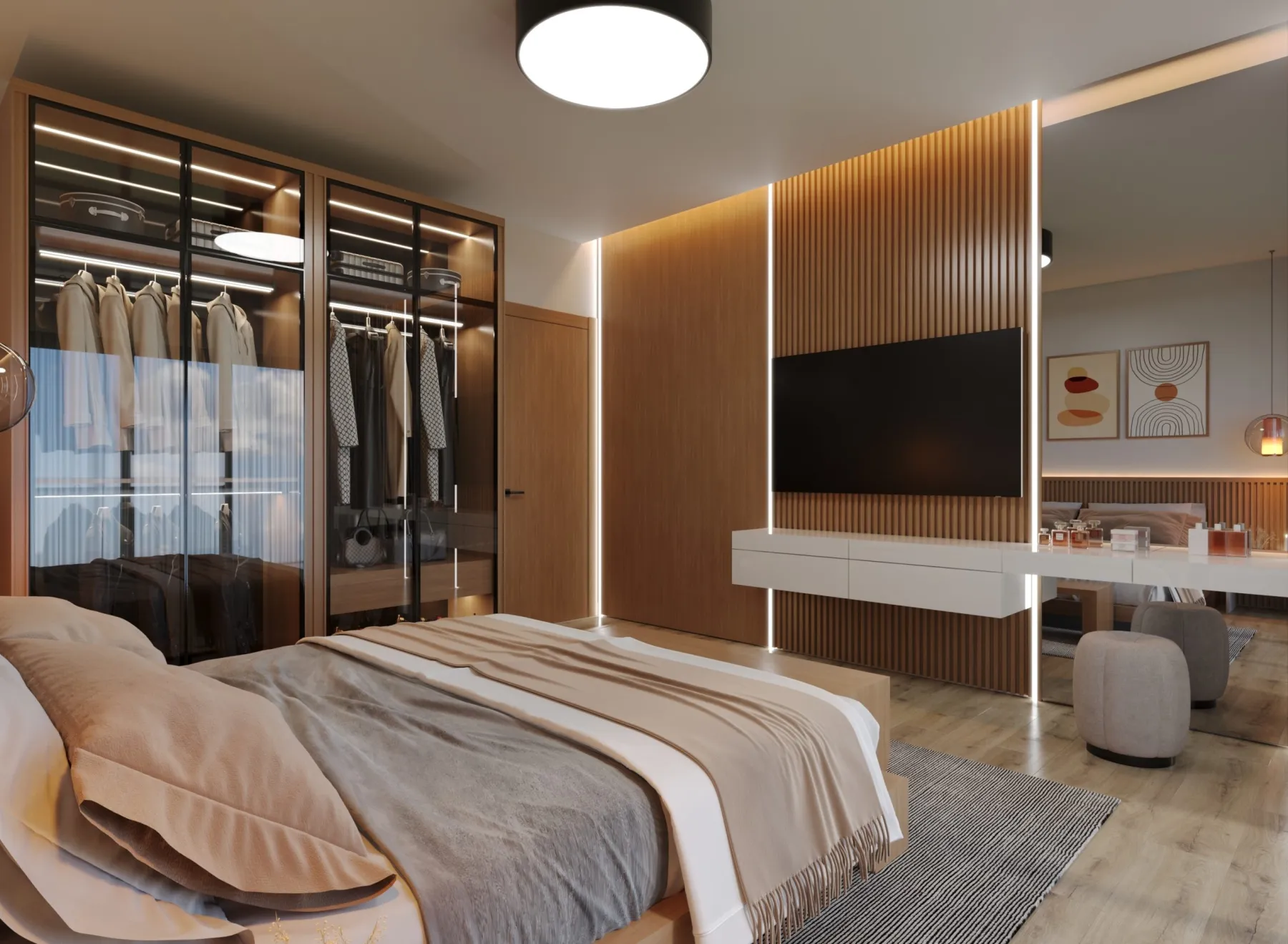
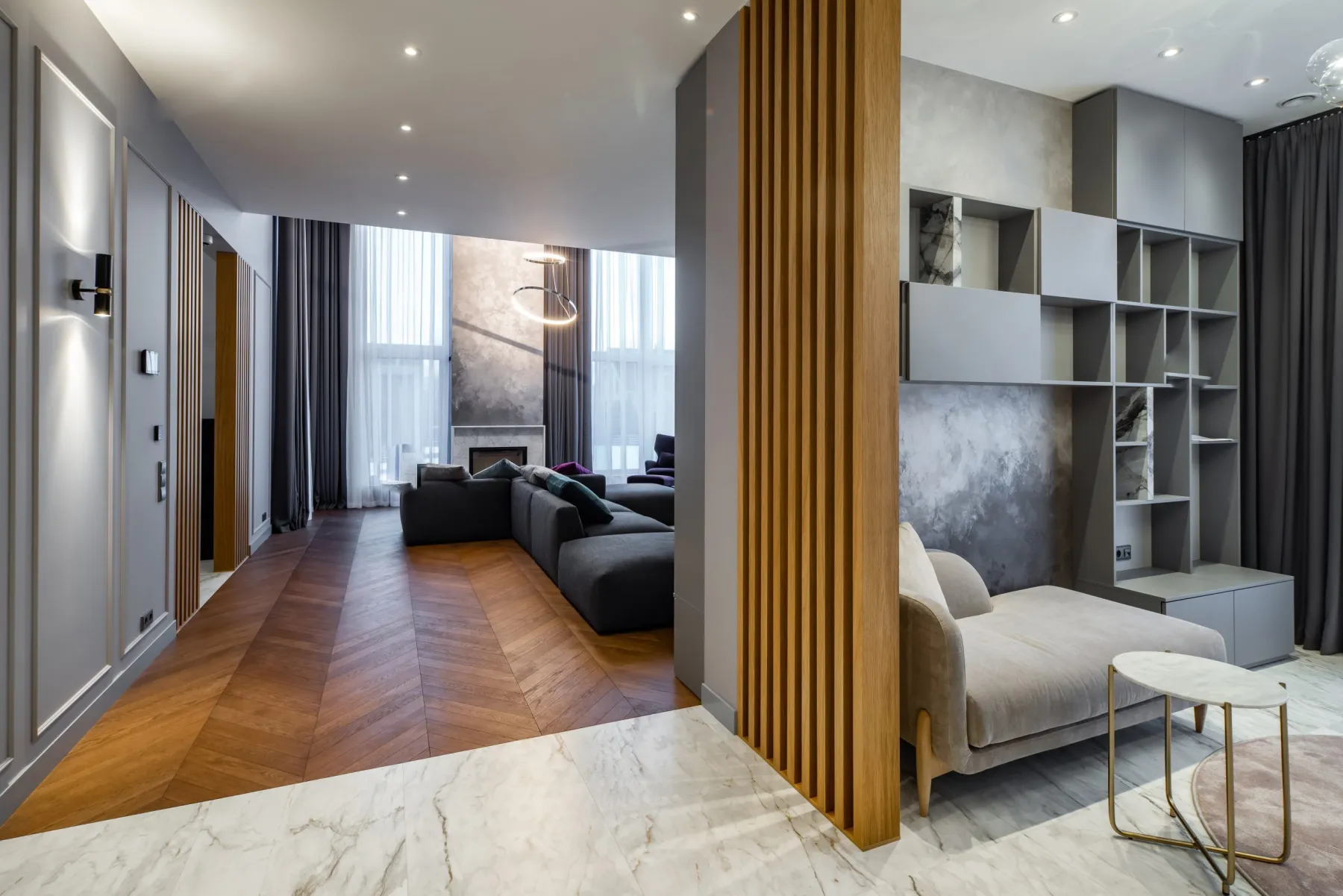
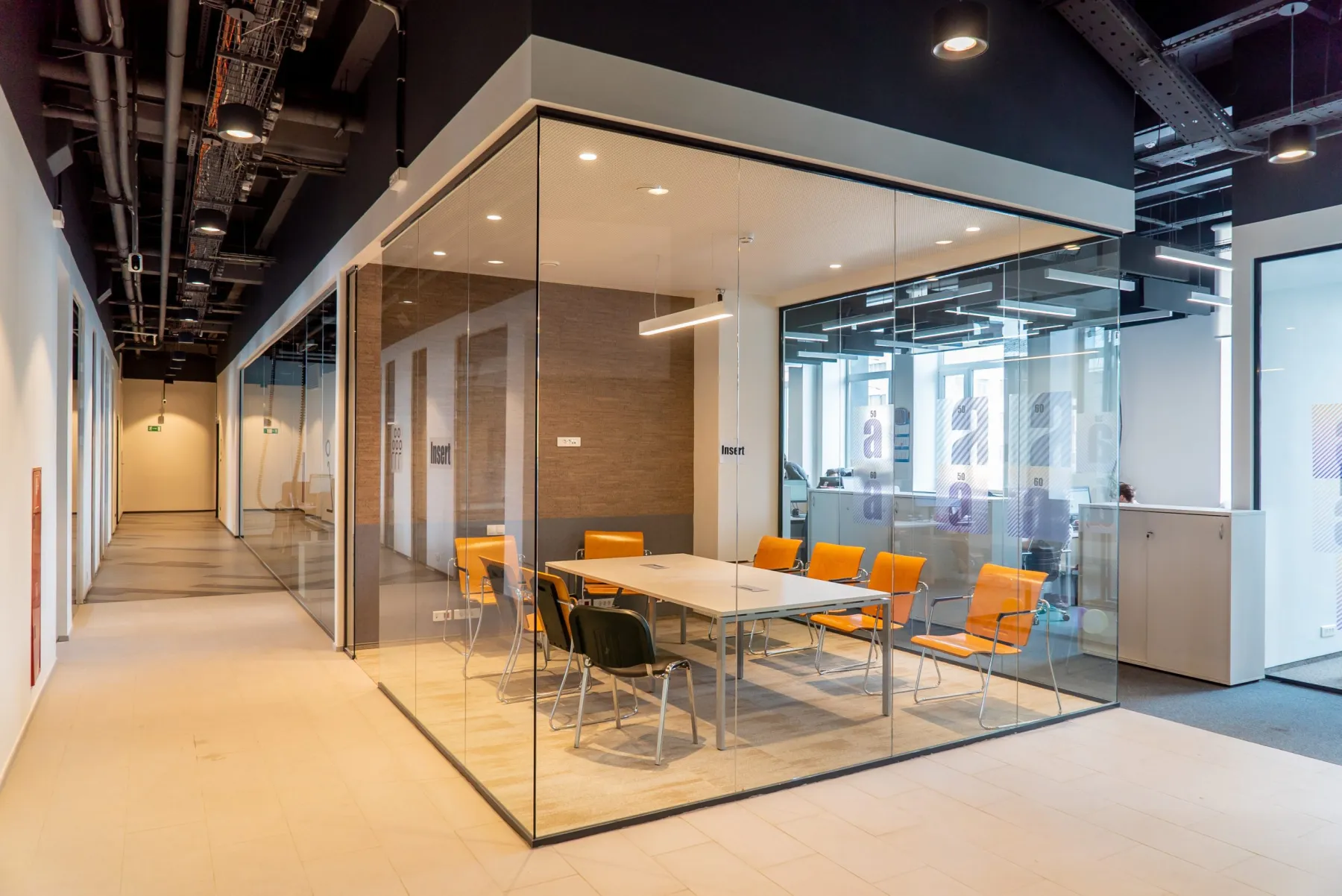
How a home office project runs
Survey and requirements
We look at the room and the route to it, establish how many people you meet at once, how often you are on video, and whether documents or equipment need to be secure. Those answers shape the partition and AV specification.
Design and layout
Desk and table positions tested against circulation and sightlines, screen and camera positions set, joinery elevations produced and the acoustic specification written. Presented in 3D with a finish board.
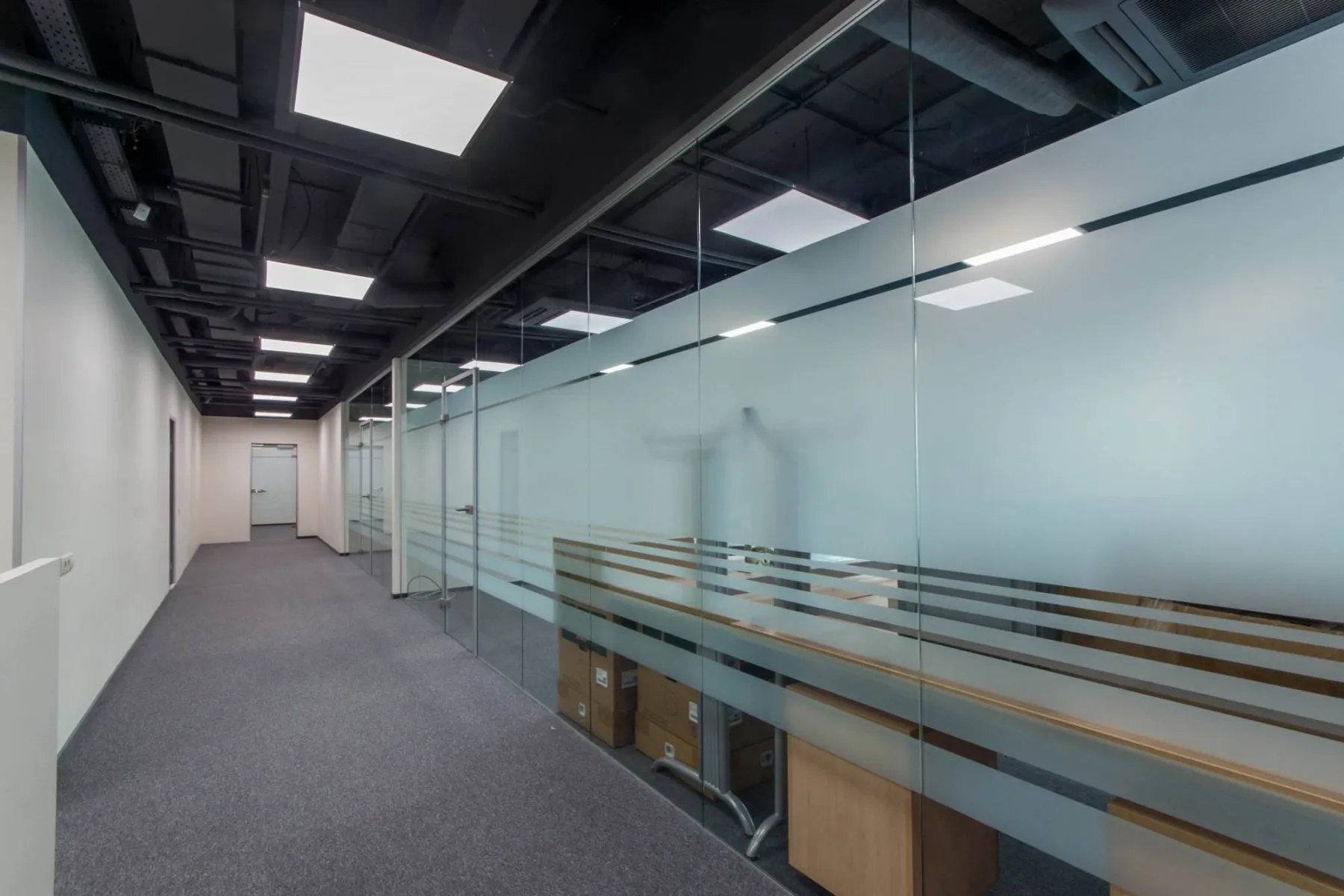
Partitions, services and finishes
Partitions built to slab with insulation, data and power first-fixed, AV cabling run, then plastering, painting and flooring. All of the disruptive work happens in one phase.
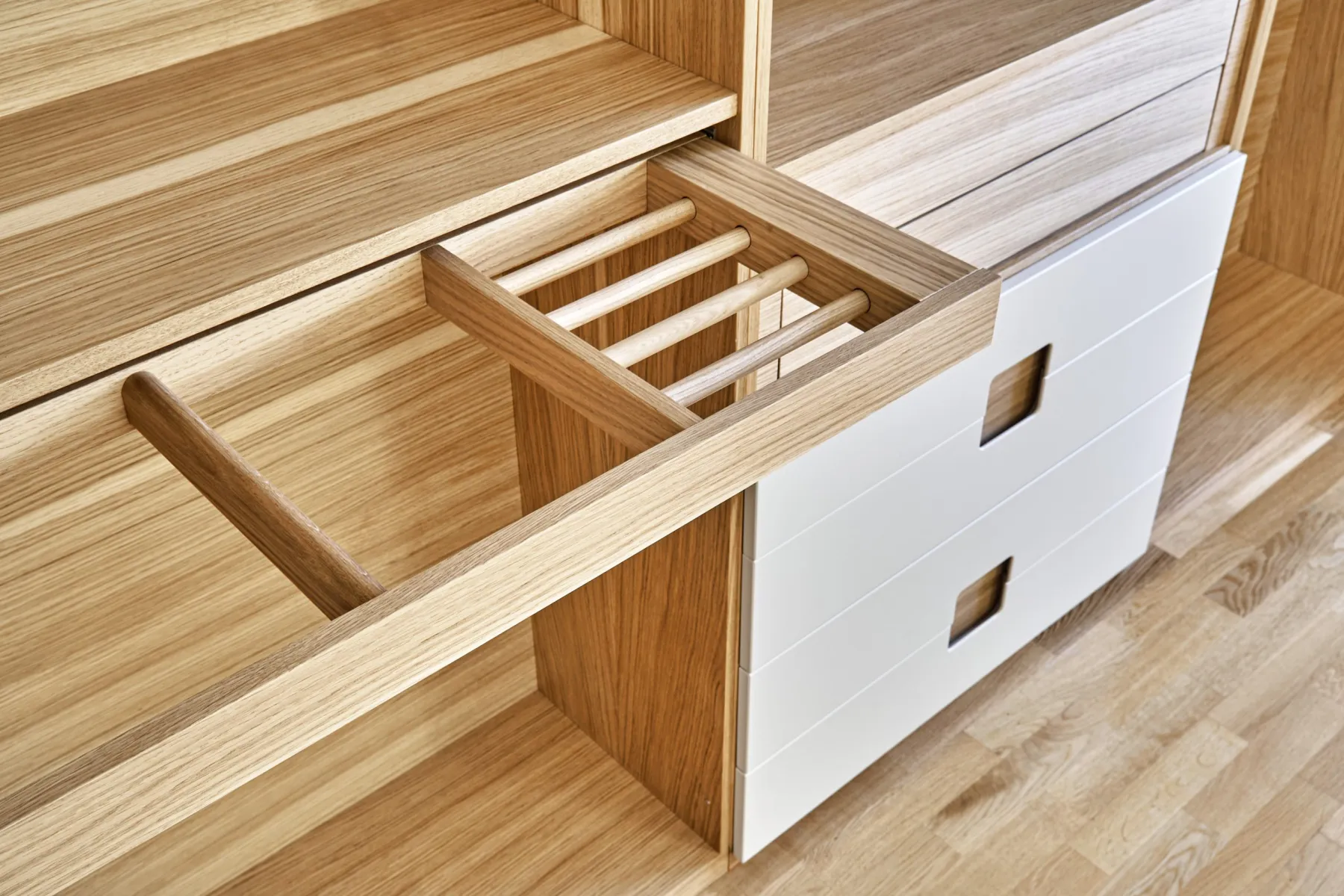
Manufacture
Desk, boardroom table, credenza and storage machined and finished in our workshop, with upholstery for seating made in parallel. Four to six weeks depending on the table.
Installation and commissioning
Joinery installed and levelled, glass templated and fitted after the finishes, AV connected and tested on an actual call, lighting set and the room handed over working rather than merely finished.
Home office and boardroom costs in Dubai
Design, manufacture and install in Dubai. Partitions, glass and AV are what separate this from a study fit-out in cost terms.
| Item | Unit | Typical range |
|---|---|---|
| Executive home office, complete | per room | AED 35,000 – 90,000 |
| Home office with separate boardroom | per project | AED 70,000 – 250,000 |
| Executive desk, bespoke | each | AED 6,500 – 28,000 |
| Boardroom table, 8 to 12 seats | each | AED 12,000 – 55,000 |
| Power and data set into the table | per box | AED 650 – 2,200 |
| Credenza or storage wall | per linear m | AED 3,200 – 8,500 |
| Acoustic partition, double boarded | per sq m | AED 190 – 300 |
| Glazed partition, double glazed | per sq m | AED 650 – 1,100 |
| Solid core door with acoustic seals | each | AED 1,800 – 4,500 |
| Acoustic wall panels | per sq m | AED 350 – 900 |
| Screen and AV integration | per room | AED 4,500 – 35,000 |
| Structured data cabling | per point | AED 280 – 650 |
| Office seating, per chair | each | AED 900 – 6,500 |
| Lighting design and installation | per room | AED 3,500 – 14,000 |
Where the office is a converted garage or majlis, allow for insulation, air conditioning and sometimes a new external door. Garage conversions in particular need thermal treatment before they are usable in a Dubai summer.
Where the room usually comes from
Very few Dubai villas were built with a home office, so the room is nearly always taken from somewhere else. The ground floor majlis is the most common candidate — it is usually near the entrance, often has its own access, and in many households is used only a few times a year.
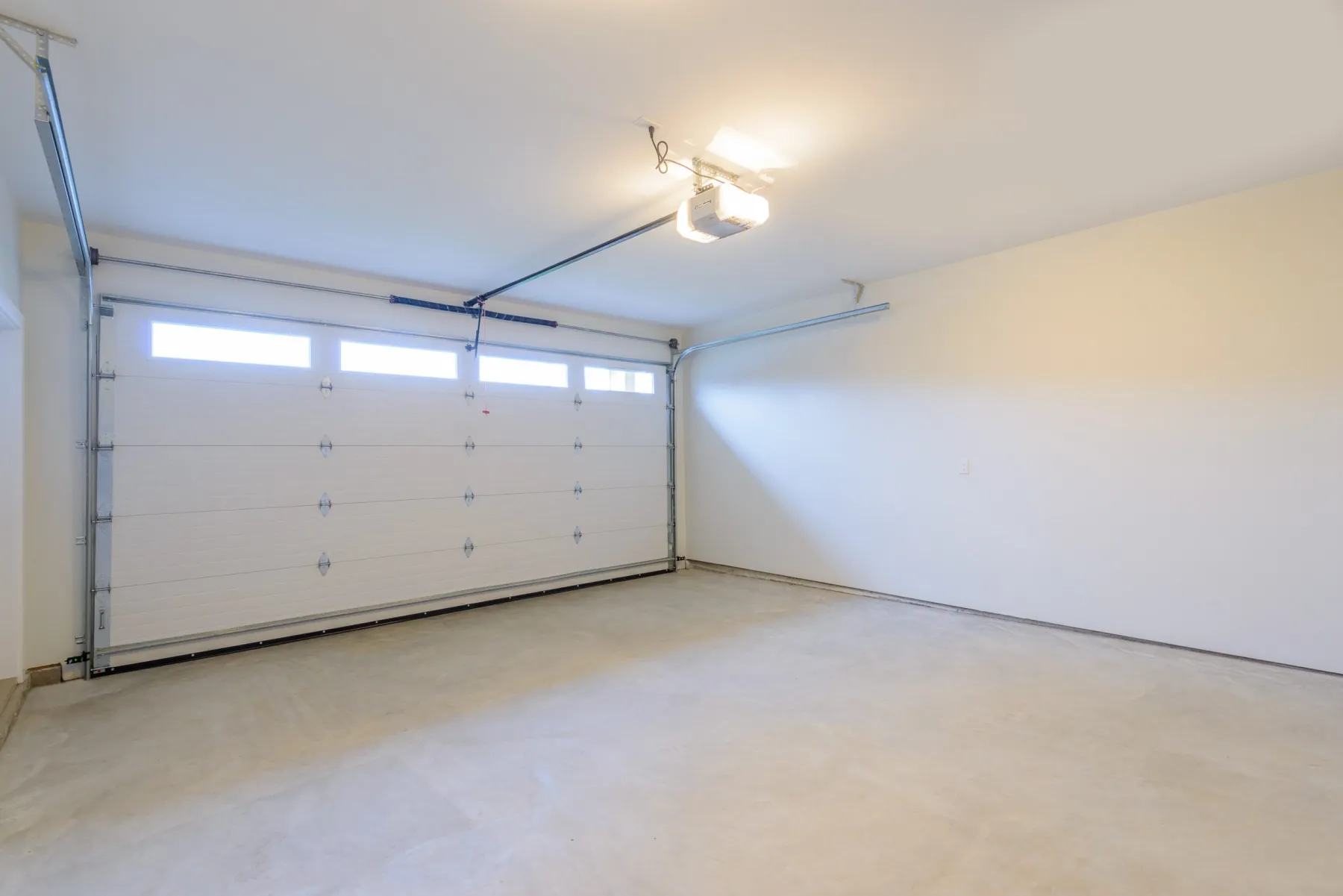
Garage conversions are the next most common, and they need more work: insulation to the walls and ceiling, a proper floor build-up, air conditioning added to the system, an upgraded door and a window for daylight. Done properly, a garage makes an excellent office because it is naturally separate from the house.
A mezzanine, an unused bedroom or a section of a large living room divided by a glazed partition all work as well. The test is always the same: can a visitor reach it without walking through the family part of the house, and can the door close on a conversation. See civil works for structural alterations.
Home office and boardroom: common questions
How much does a home office cost in Dubai?
AED 35,000 to 90,000 for an executive home office with bespoke joinery, acoustics and lighting. Adding a separate boardroom with glazed partitions and AV takes a project to AED 70,000 to 250,000.
How long does it take?
Six to ten weeks. Partitions, services and finishes take two to three weeks on site, joinery manufacture runs four to six weeks in parallel, and installation and AV commissioning is a further week.
Can you make the room properly private for calls?
Yes. A double-boarded insulated partition built to the slab, a solid core door with acoustic seals and a drop seal, and absorption inside the room. That combination gives genuine speech privacy rather than the illusion of it.
Can a garage be converted into an office?
Yes, and it is one of the better conversions because it is separate from the house. It needs insulation to walls and ceiling, a floor build-up, air conditioning extended to it and usually a new door and window. Budget more than for converting an internal room.
What size should a boardroom table be?
Allow 700 millimetres of edge per person and a minimum table width of 1.1 metres so people can face each other with documents between them. Then allow 1.1 metres of clear space behind each chair for circulation.
Can you integrate screens and video conferencing?
Yes — screen mounting with concealed cabling, a camera positioned at eye height rather than looking down from a ceiling, table or ceiling microphones, and the acoustic treatment that makes them work. We test on a real call before handover.
Do you use glass or solid partitions?
Both, usually together. Glass keeps daylight moving through the villa and makes a small office feel larger; solid partitions give privacy and a surface for a screen or shelving. Double glazed glass with an acoustic interlayer is the compromise where you need both.
Can the office be secured?
Yes. A lockable door, lockable joinery sections for documents, and provision for a safe built into the cabinetry. Where a business requires it, we can also coordinate access control and alarm provision during first fix.
Tell us how you work
The number of people you meet, how often you are on video and whether visitors need their own route in are the three questions that shape the design. Send the room dimensions and we will come back with a plan.