Home › Services › Signage works
Signage works in Dubai, fabricated, lit and approved
Shopfront fascias, 3D and channel letters, illuminated light boxes, wayfinding, reception logos and vinyl graphics — fabricated in our own workshop, taken through building and authority approval, and installed with the electrics done properly.
What signage works covers and what it costs
Signage works in Dubai covers designing, fabricating, approving and installing business signage: shopfront fascias, 3D built-up and channel letters, illuminated light boxes, reception and logo walls, wayfinding and door signs, and applied vinyl graphics. Expect AED 450 to 1,400 per square metre for a non-illuminated fascia, AED 900 to 2,600 per square metre for an illuminated one, and AED 350 to 1,200 per letter for 3D built-up letters. Abdulla Carpentry EST handles the mall or landlord approval as part of the job, not as the client’s problem.
Most signage problems in Dubai are approval problems rather than fabrication problems. Malls and building owners publish detailed signage criteria — permitted zones, maximum projection, illumination type, lighting levels, even the permitted colour temperature — and a sign made to a brand guideline without reference to that document will be refused, and refused after it has been manufactured.
So the sequence matters. We read the building criteria first, design within it, submit the drawings with the electrical detail, and only then fabricate. Where the brand identity conflicts with the criteria, we resolve that on paper with the landlord rather than discovering it on installation night.
The second thing that separates good signage is the electrical work and the weathering. An illuminated sign outdoors in Dubai deals with 50 degree surface temperatures, driving summer humidity and occasional heavy rain. Sealed and rated housings, correct IP ratings on drivers, ventilation so the LEDs are not cooked, and drainage in the tray — none of it is visible, and all of it determines whether the sign still looks right in three years.
 Approved firstThen fabricated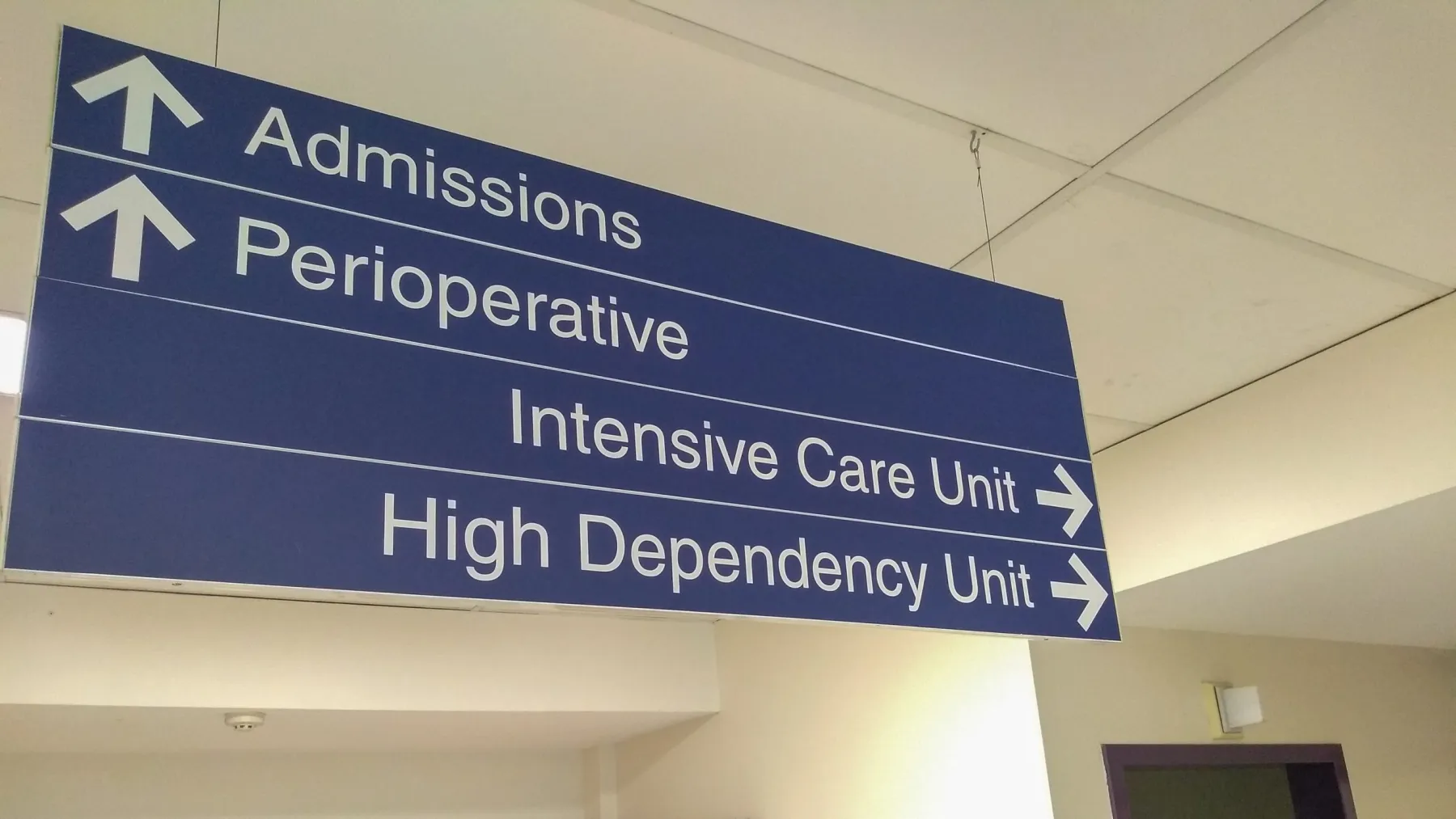
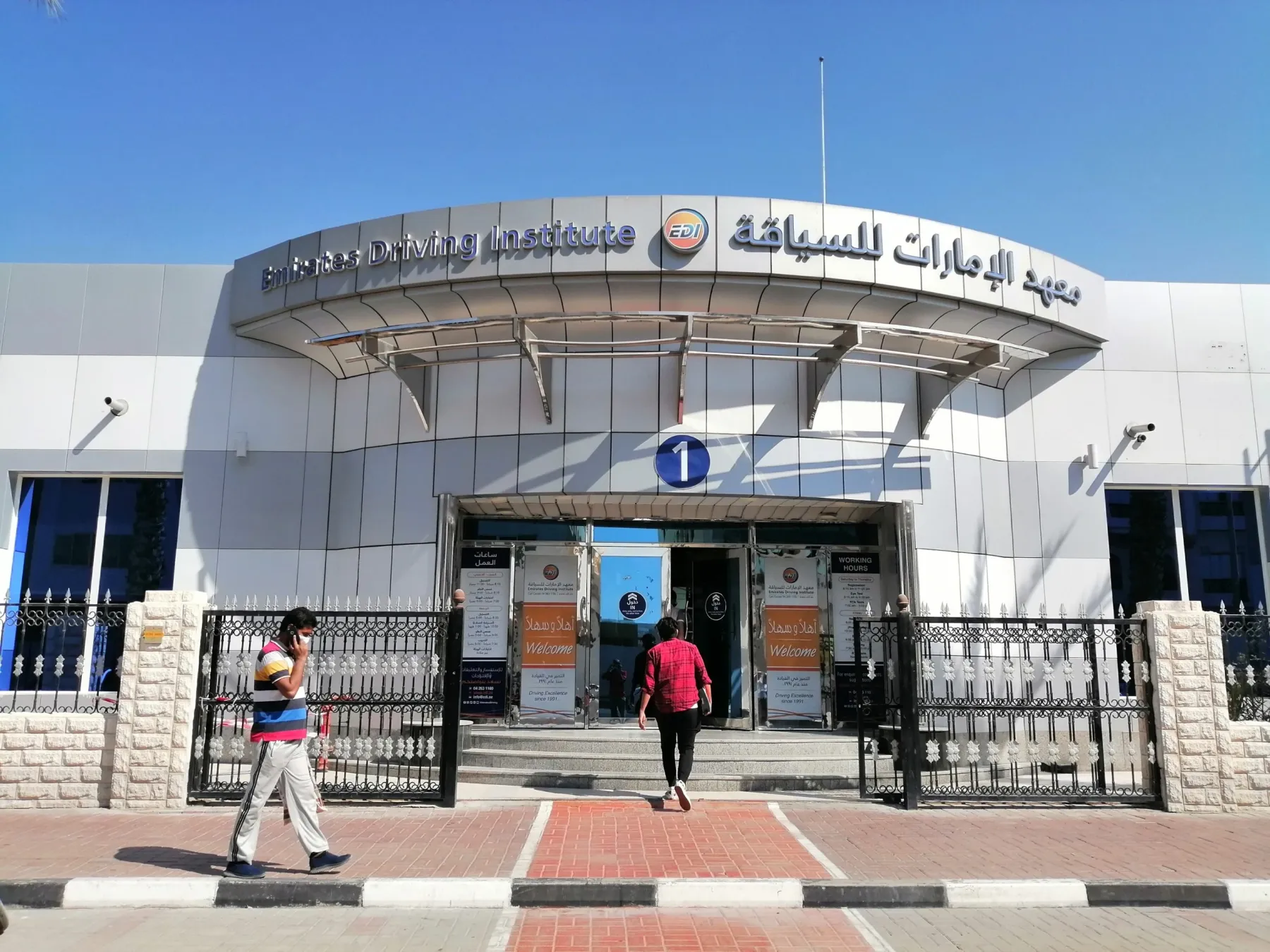
Signage types and where they belong
The right sign type is usually decided by the mounting position, the viewing distance and the building criteria, well before anyone chooses a font.
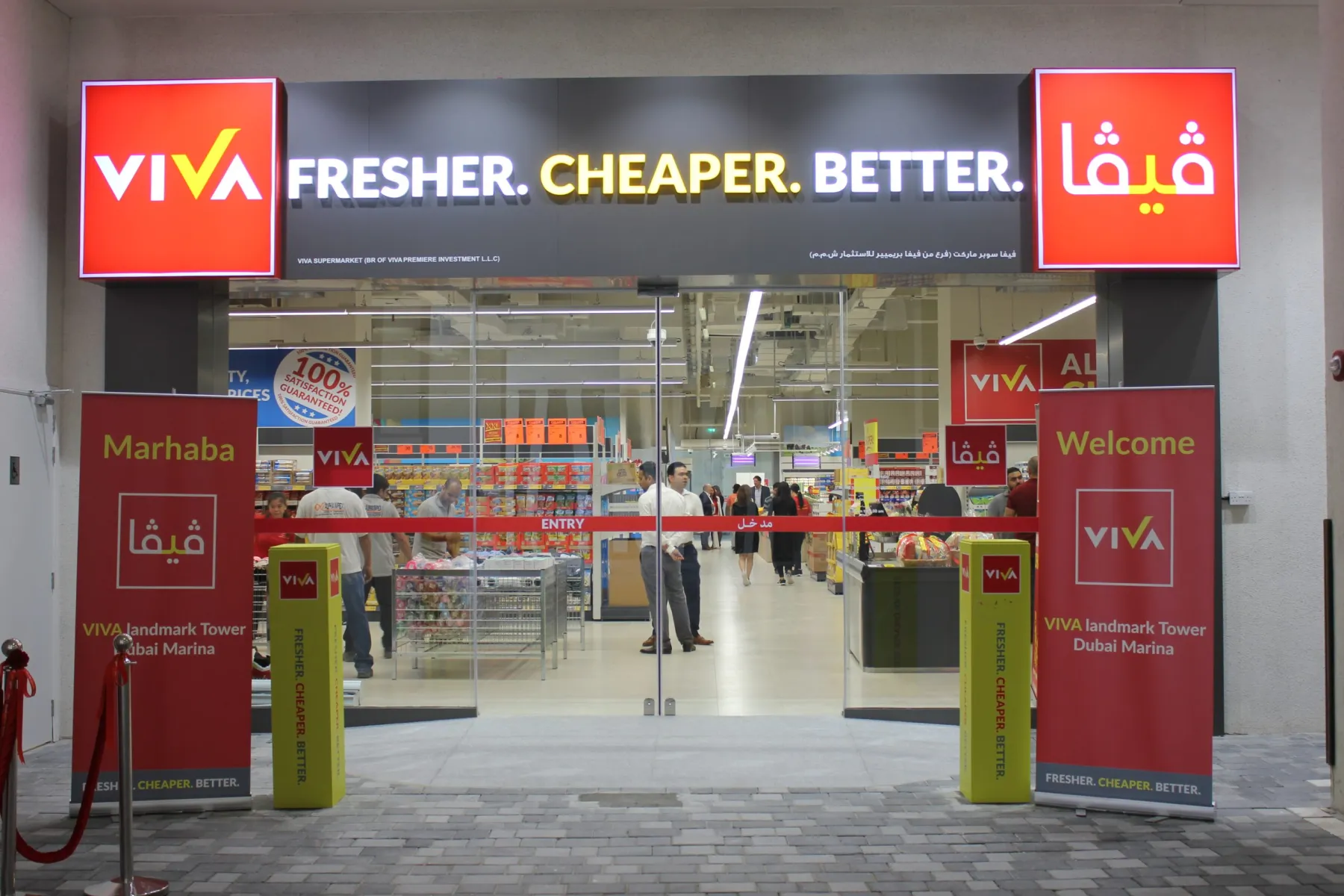
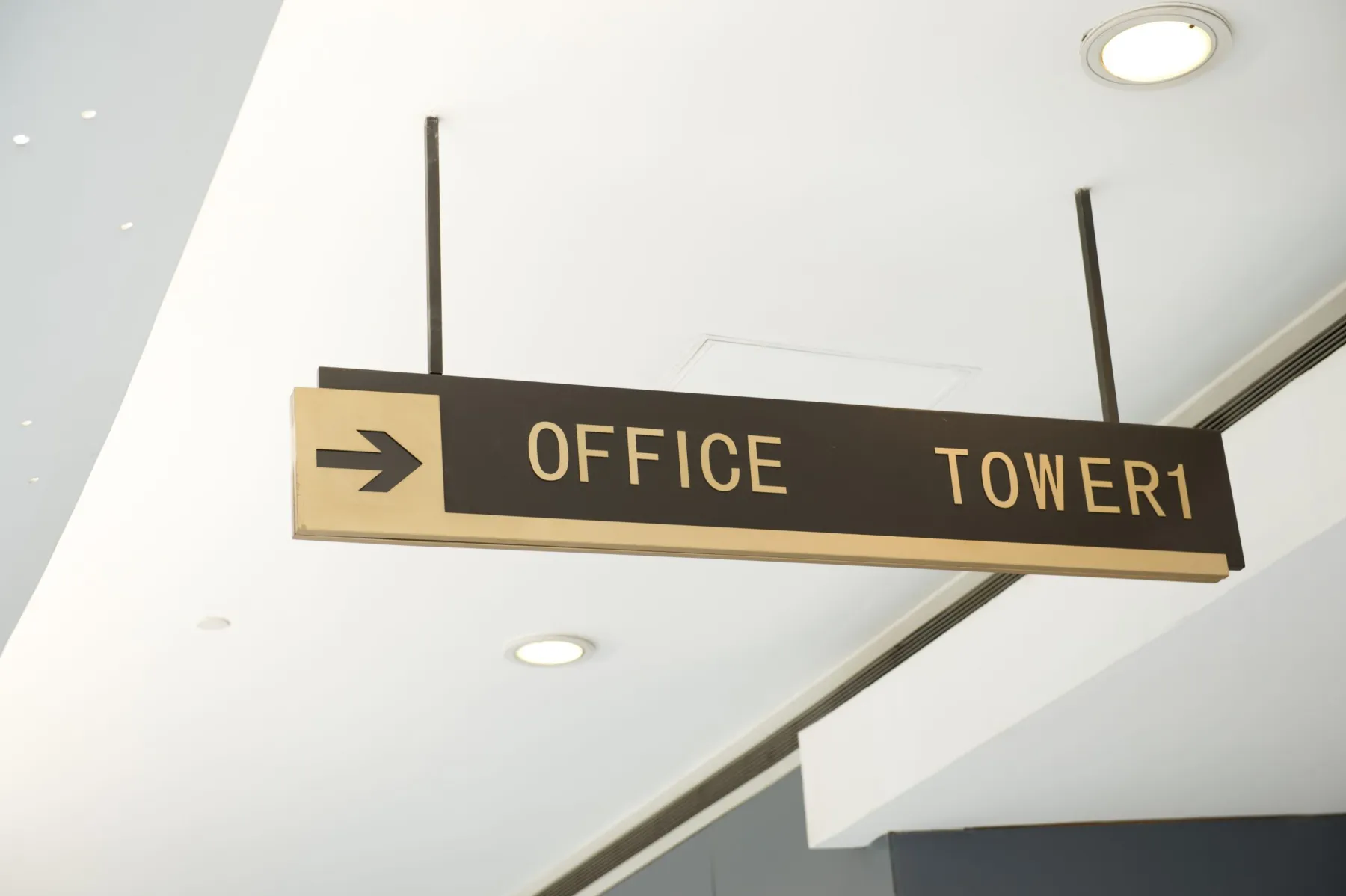
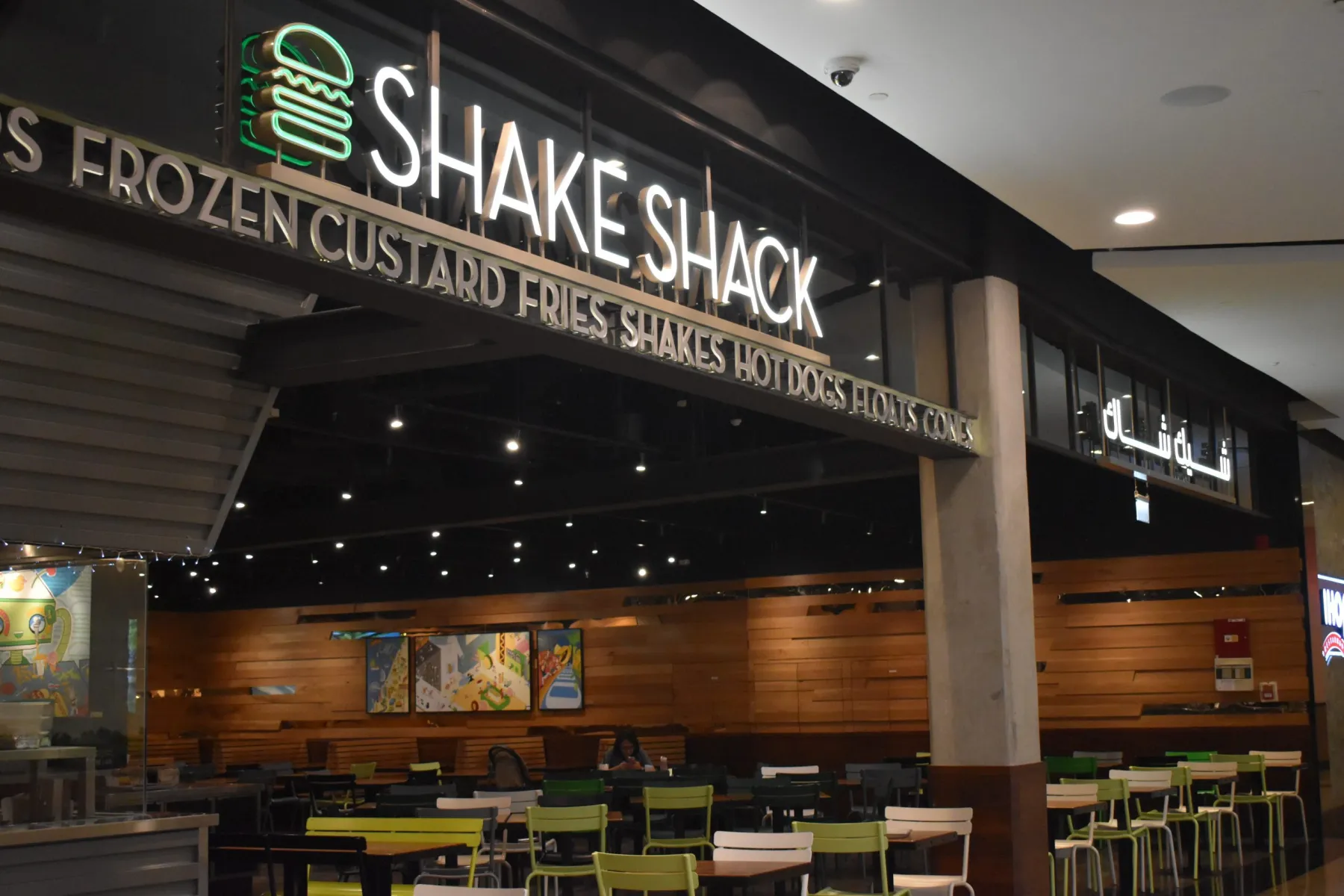
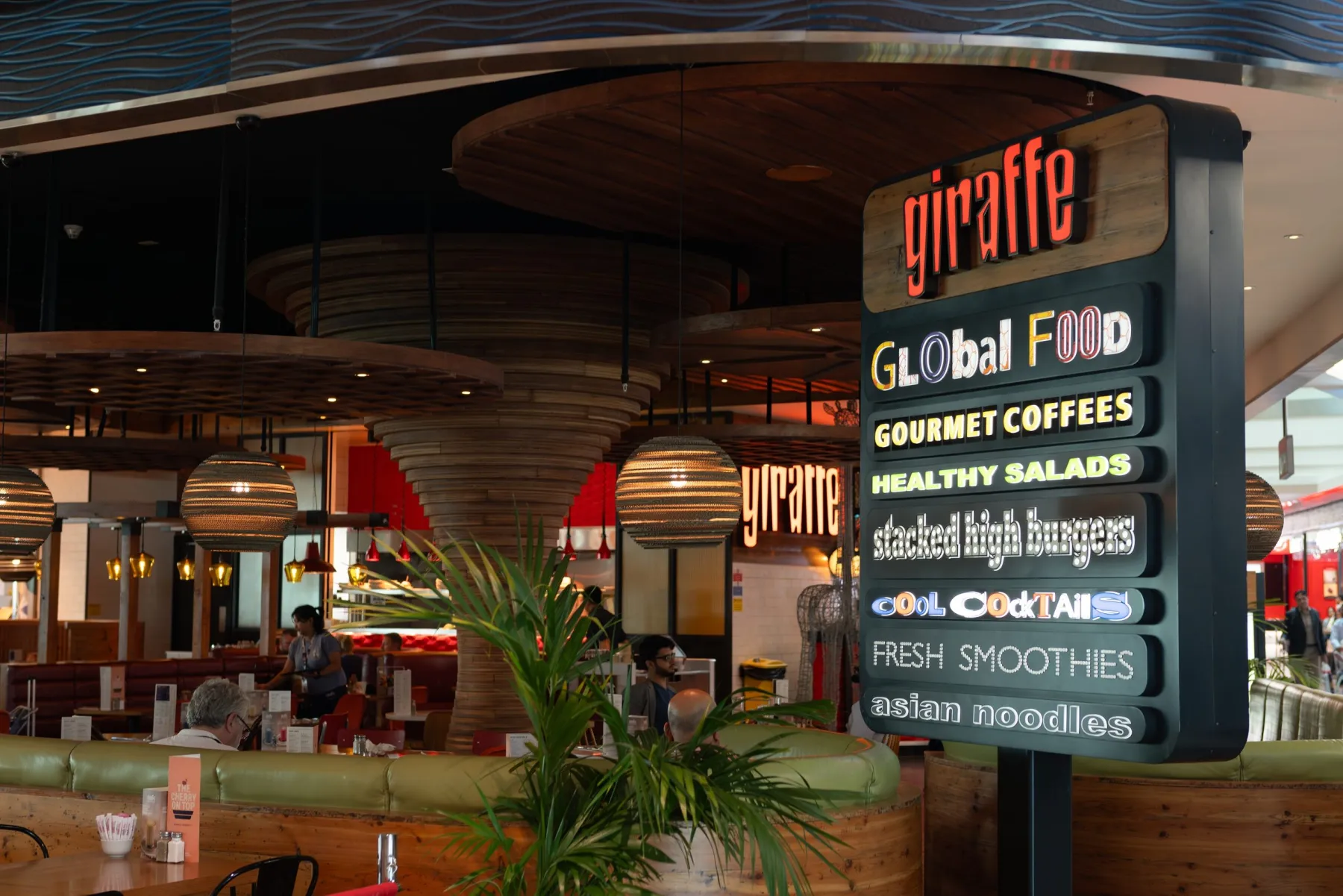
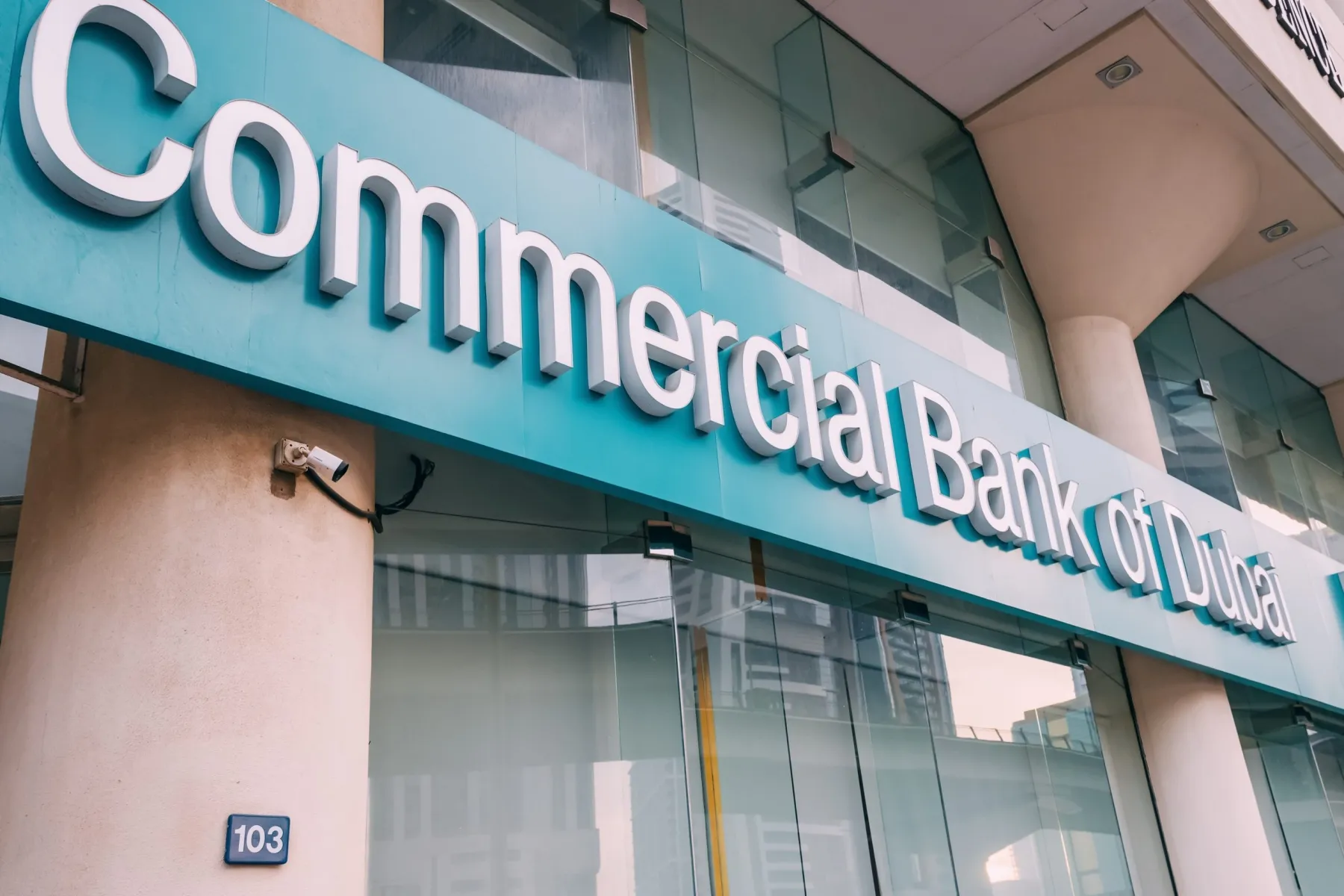
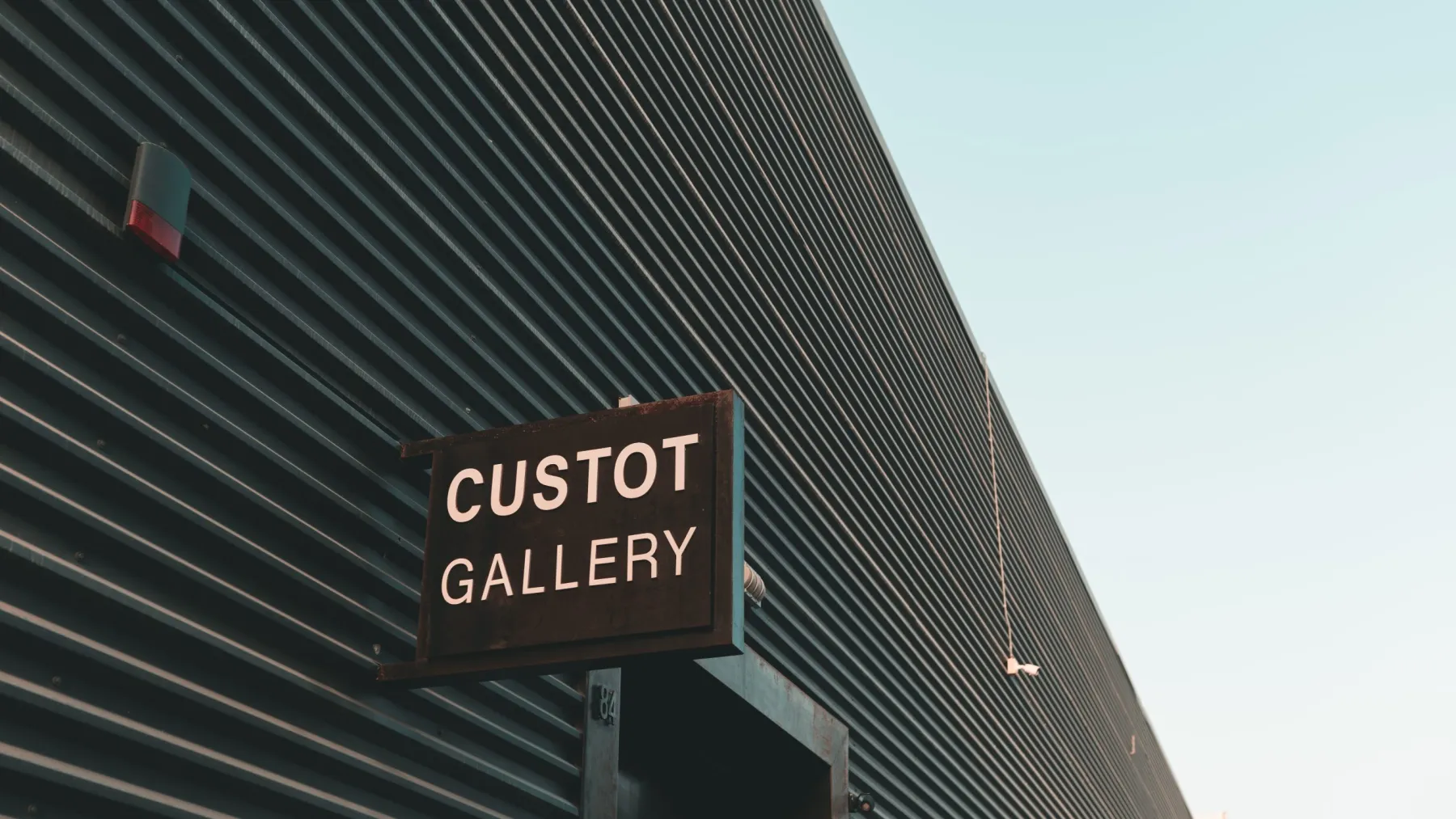
Shopfront fascia signage. The main identity sign above a retail unit. Fabricated aluminium or ACP tray with applied or built-up lettering, illuminated or not, mounted to a structure that can actually carry it. The sign most tightly governed by mall criteria.
3D built-up and channel letters. Individual letters fabricated in aluminium, stainless or acrylic, with face, halo or side illumination. Face-lit reads best from distance, halo-lit at night and in premium settings, and non-illuminated with external spotlights where illumination is not permitted.
Illuminated light boxes. Fabric tension frames and acrylic-faced boxes, single or double sided, edge-lit or backlit. Even illumination with no hotspots is the technical challenge, and it is entirely about LED spacing and diffuser distance.
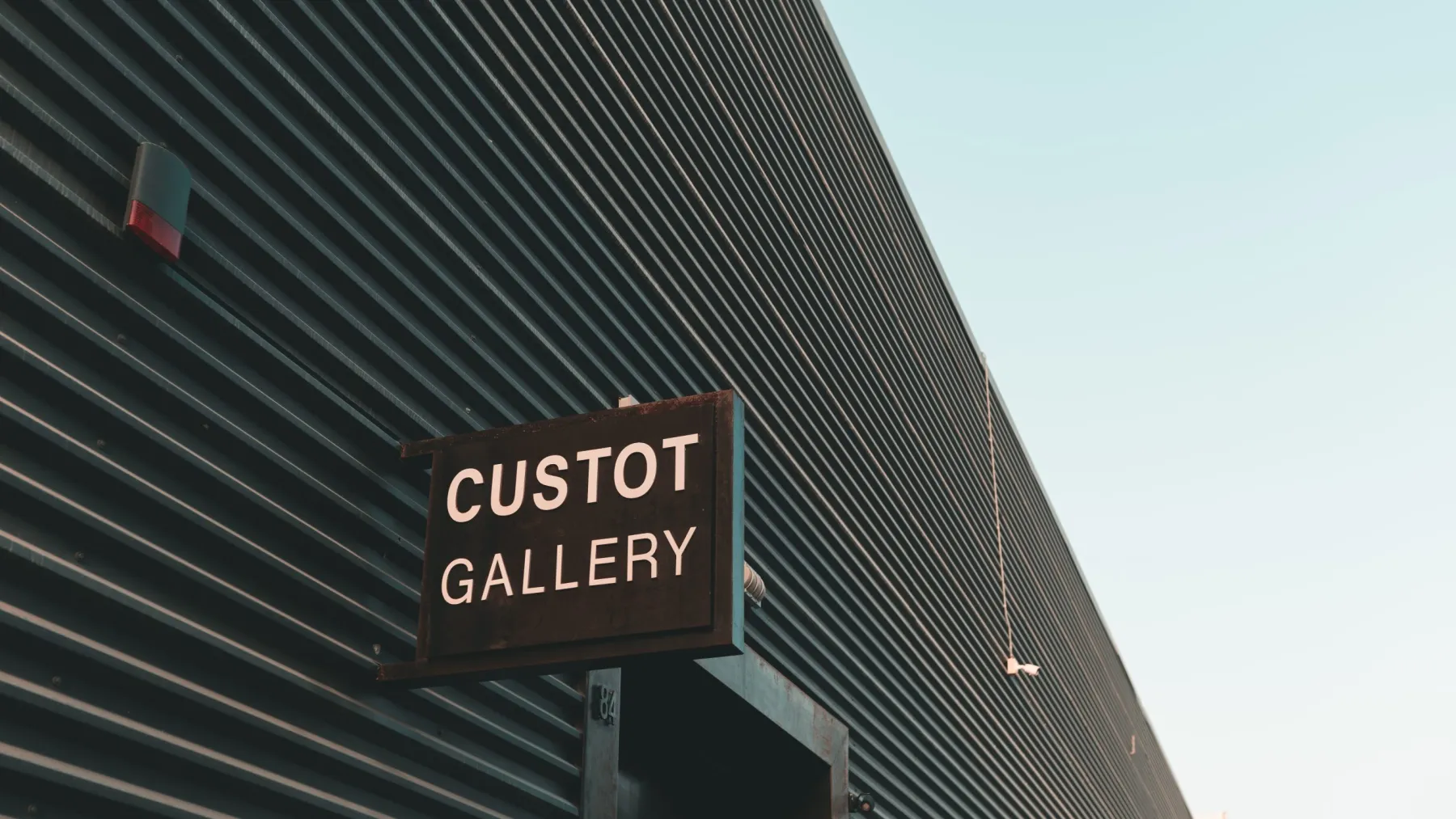
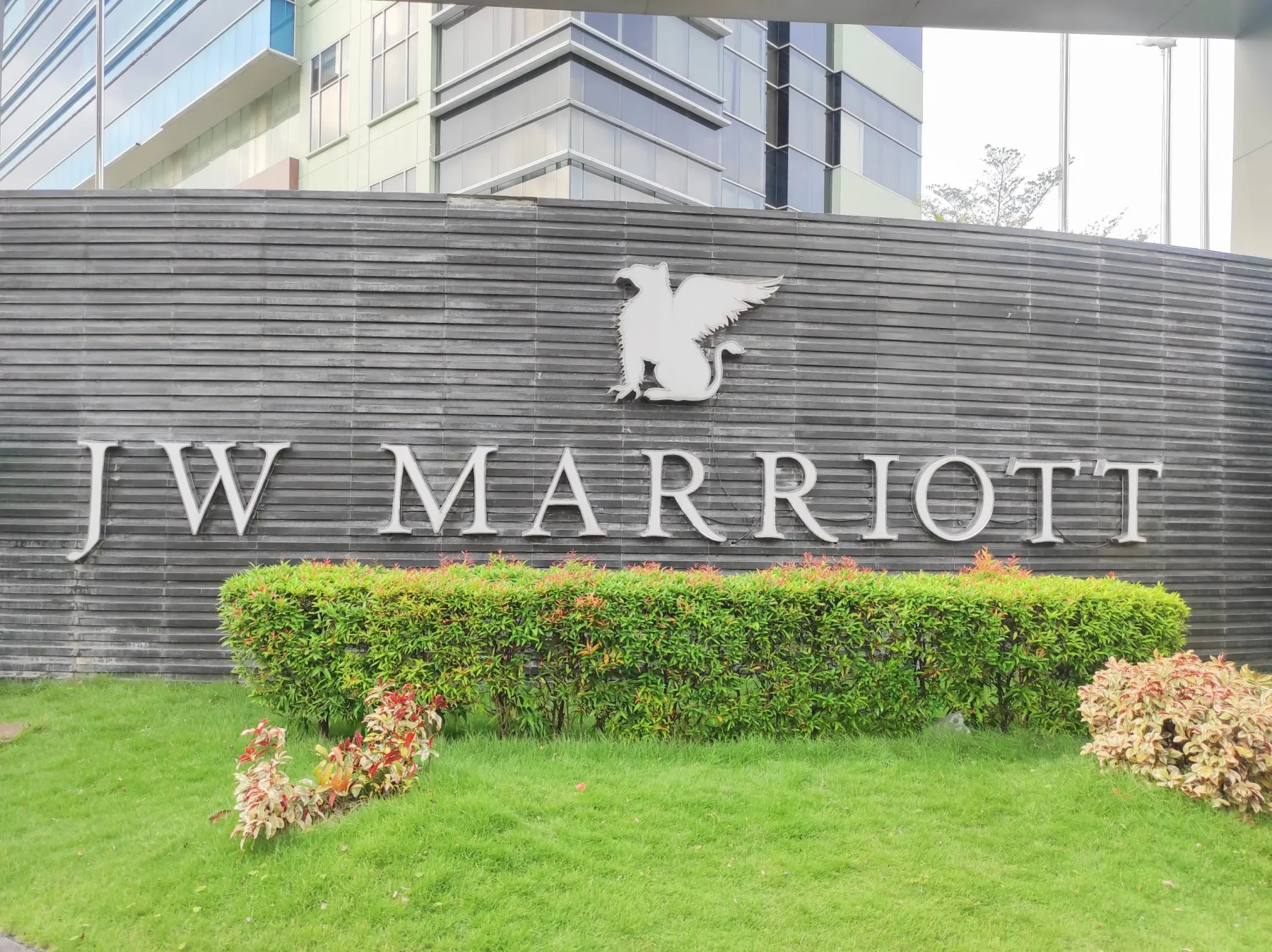
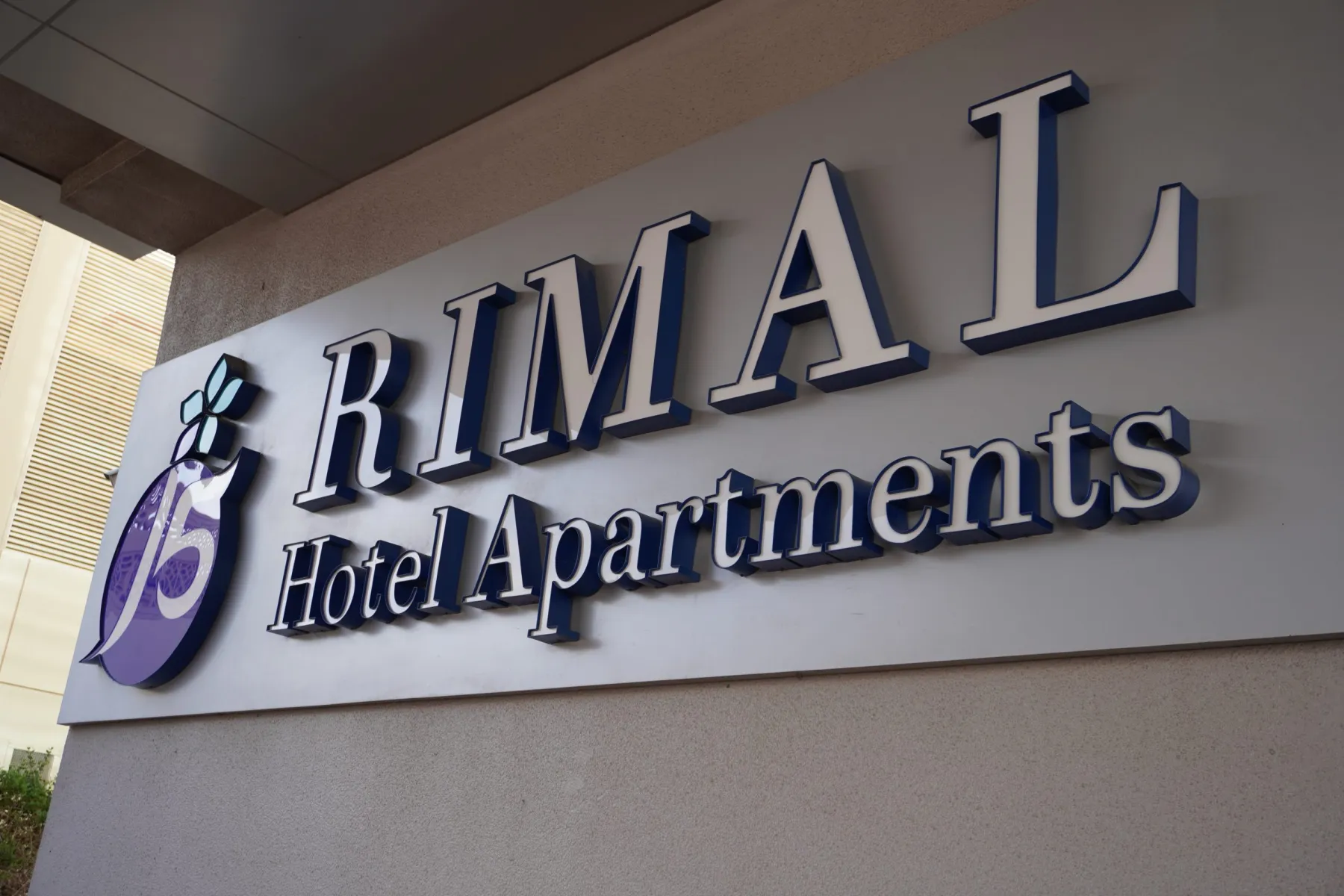
Reception and logo walls. The sign a visitor sees on arrival: brushed metal, acrylic or timber letters on a feature wall, often with concealed lighting. Frequently combined with wall panelling so the logo and the wall are detailed as one piece.
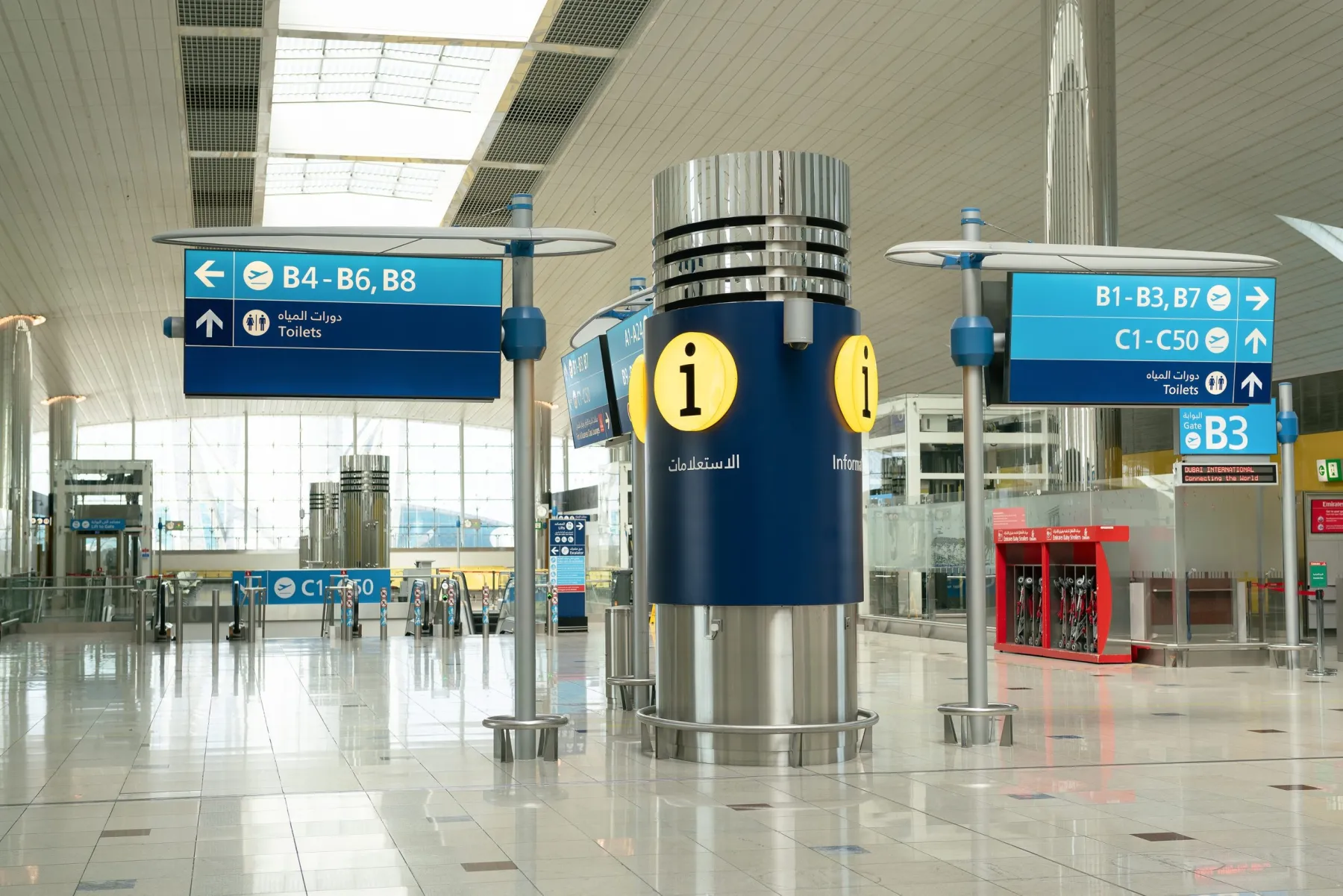
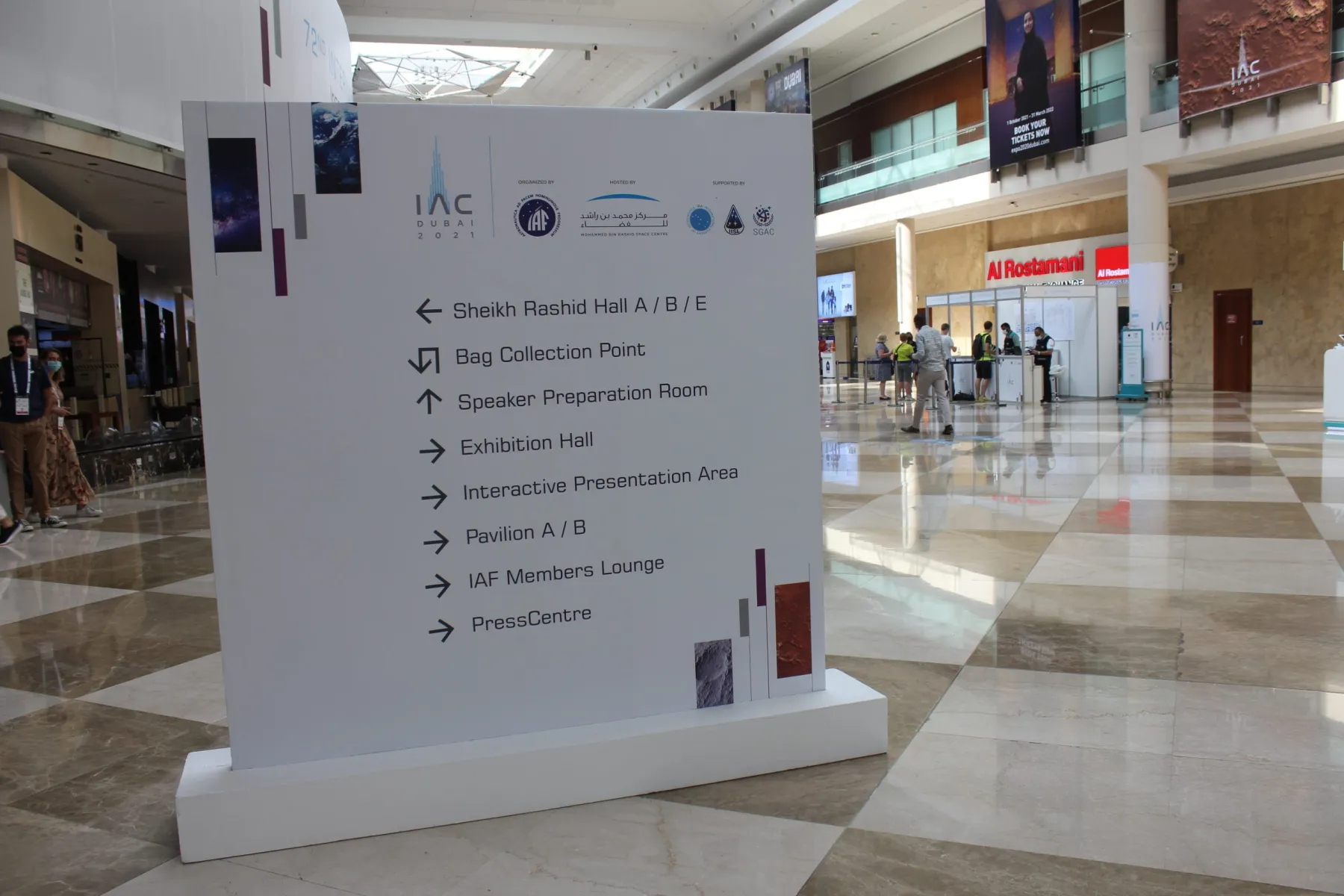
Wayfinding and door signage. Directories, floor and room numbering, directional signs and door plates. Consistency across a building matters more than individual brilliance, so these are designed as a family and installed to a schedule.
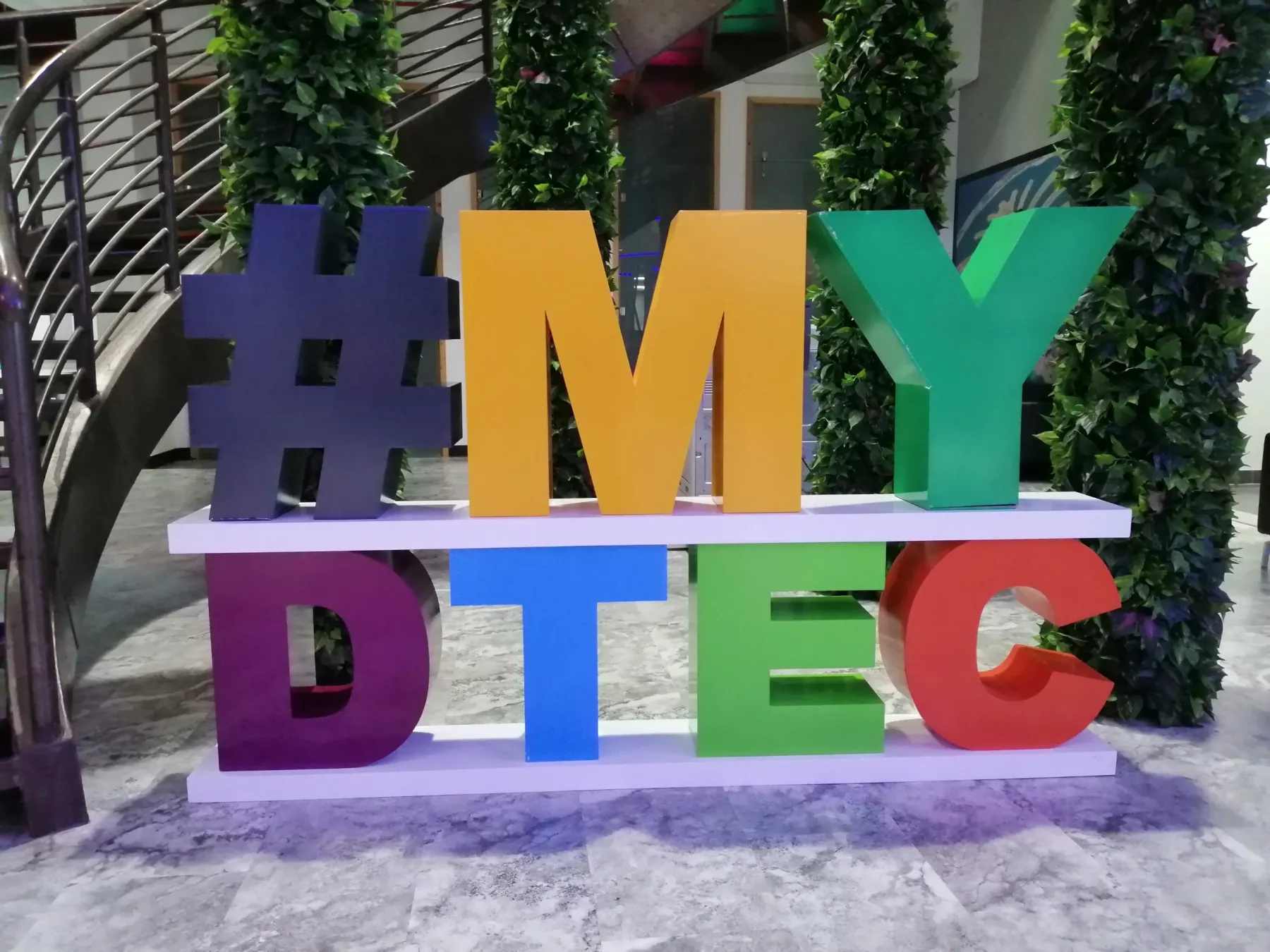
Vinyl graphics and window manifestation. Applied graphics, frosted manifestation on glass partitions, promotional window vinyl and floor graphics. Quick, reversible, and the usual answer for anything seasonal.
Mall criteria, authority permits and the order to do them in
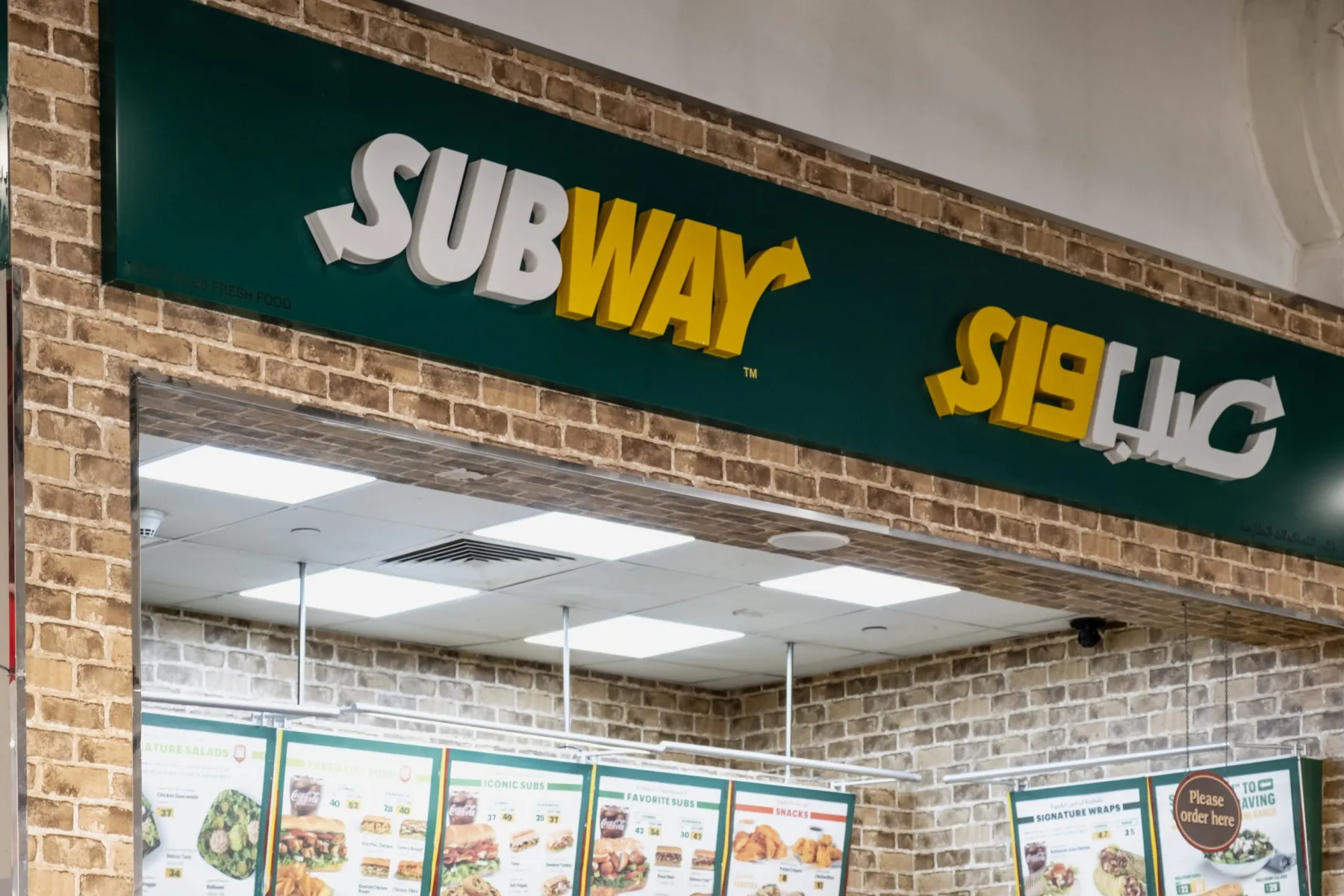
Every commercial sign in Dubai passes through at least one approval and usually two. The landlord or mall approves the design against its signage criteria — position, size, projection, illumination type and method of fixing. Then the relevant authority approves the sign itself, with the trade licence details matching exactly what the sign says.
That last point catches new businesses regularly. The name on the sign has to correspond to the licensed trade name. A shortened version, a tagline treated as part of the name, or an English rendering that differs from the licence will be rejected, and the sign will have been made by then.
Our sequence is: obtain and read the criteria document, produce design and technical drawings including the electrical detail and fixing method, submit for landlord approval, then submit for the authority permit, then fabricate. It adds two to four weeks at the front of the programme and removes the possibility of paying for a sign twice.
For an existing sign being replaced, the approval is usually simpler but rarely automatic — a change in illumination type or projection can reopen the whole review.
 Criteria firstThen fabricate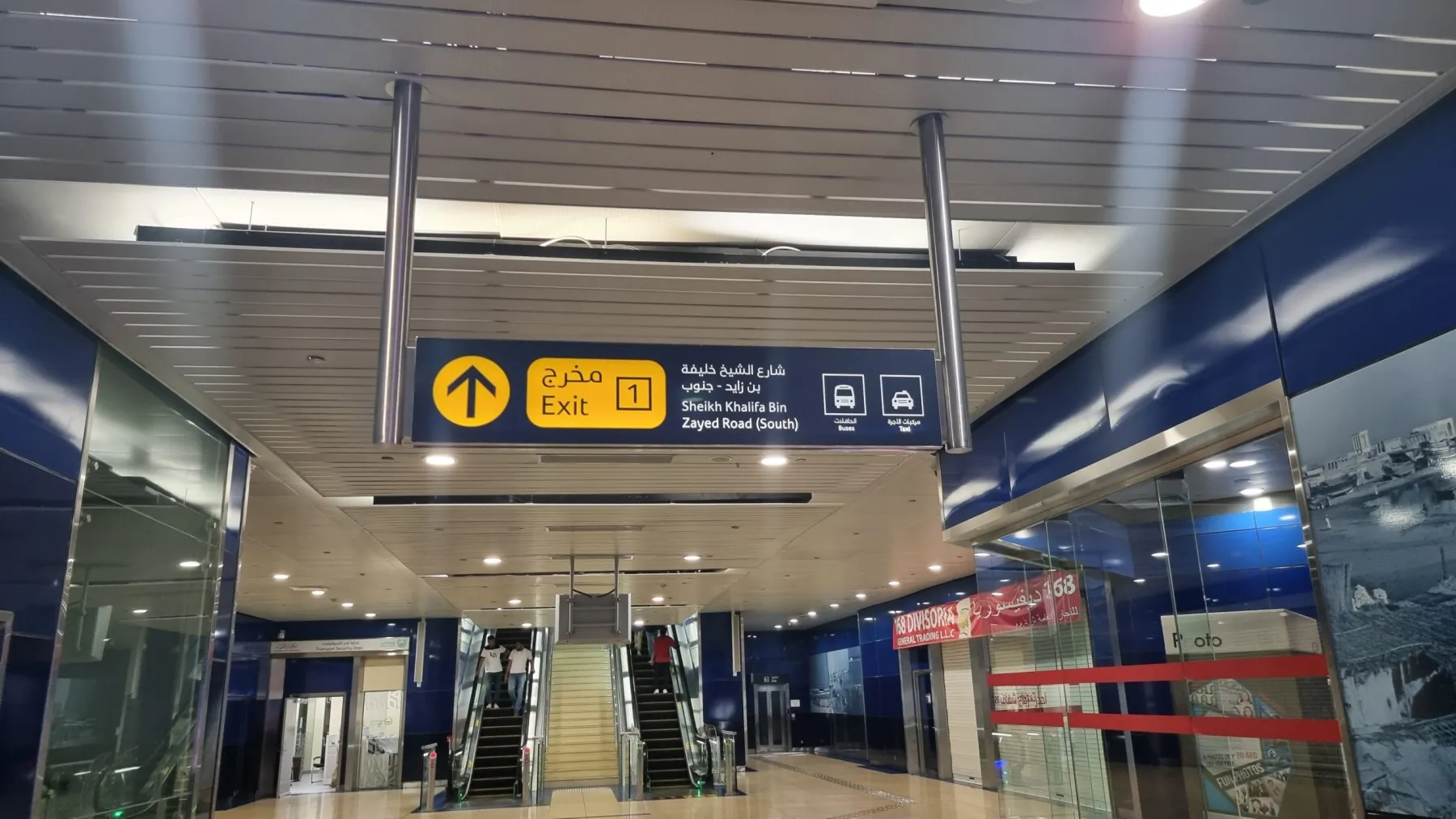
How a signage job runs
Site survey and criteria review
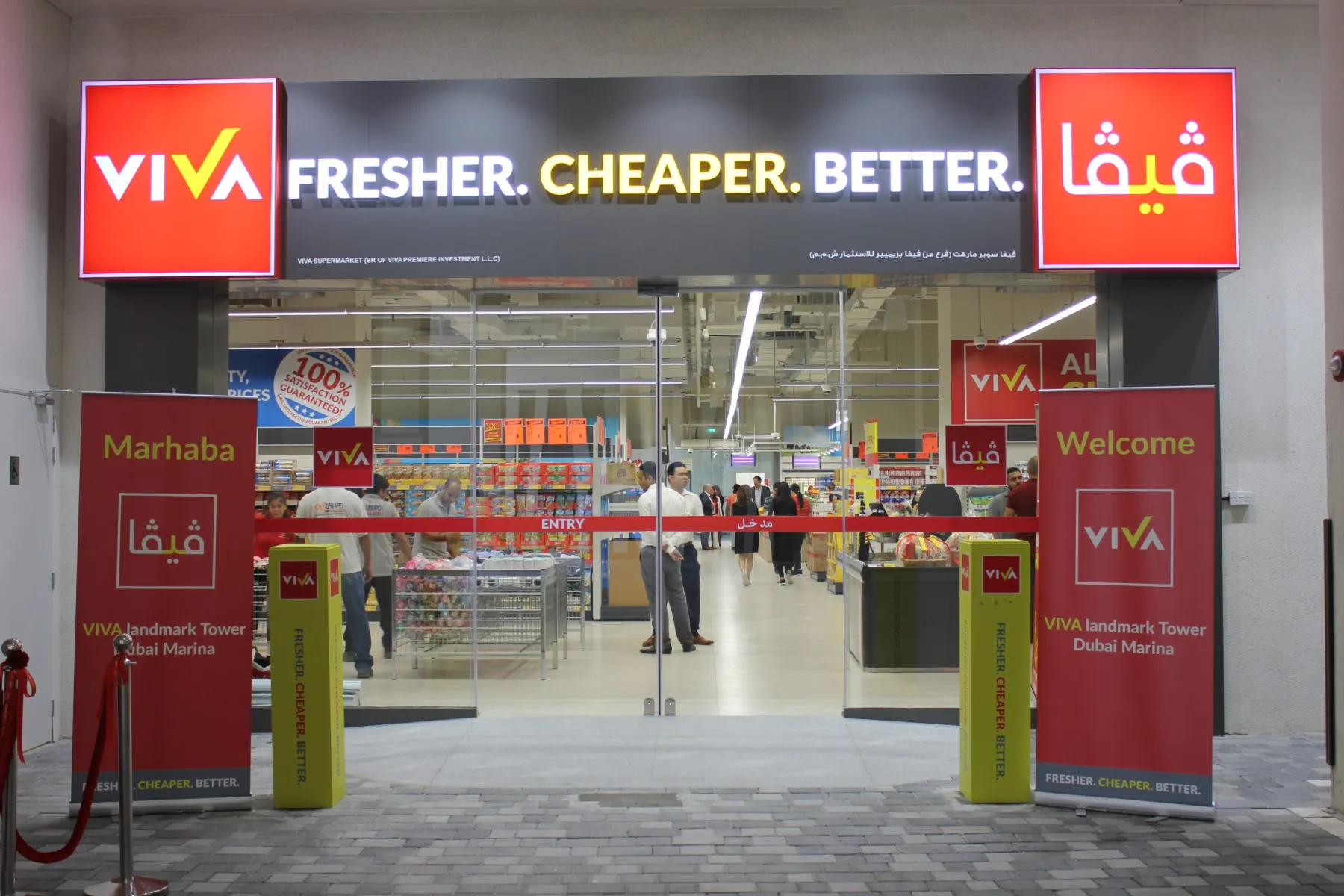
We measure the fascia or wall, establish what structure is behind it and where power can come from, and obtain the building signage criteria. The criteria document decides most of the design before anyone opens a drawing program.
Design and visuals
Artwork adapted to the permitted zone, with a scaled visual on a photograph of the actual location. Illumination type, material, finish and colour matching agreed, with a production sample where the colour is critical to the brand.
Approvals
Technical drawings with fixing details, electrical loads and material specifications submitted to the landlord, then to the authority with the trade licence. We handle the correspondence and the resubmissions.
Fabrication
Trays and letters fabricated in aluminium, stainless or acrylic, welded, ground and finished, then LEDs, drivers and diffusers assembled and every module tested lit in the workshop before anything ships.
Installation and commissioning
Fixed to structure with the correct anchors, wired into a dedicated circuit with an isolator and, where required, a timer or photocell. Tested at night, adjusted for even illumination, and handed over with the approval documents.
Signage rates in Dubai
Fabricate, deliver and install in Dubai. Approval handling is included on commercial work; authority fees are at cost.
| Item | Unit | Typical range |
|---|---|---|
| Non-illuminated fascia sign | per sq m | AED 450 – 1,400 |
| Illuminated fascia sign | per sq m | AED 900 – 2,600 |
| 3D built-up letters, non-illuminated | per letter | AED 350 – 900 |
| 3D letters, face or halo illuminated | per letter | AED 550 – 1,200 |
| Acrylic light box, single sided | per sq m | AED 750 – 1,800 |
| Fabric tension light box | per sq m | AED 900 – 2,200 |
| Reception logo wall | per project | AED 2,500 – 15,000 |
| Wayfinding sign, wall mounted | each | AED 250 – 950 |
| Door and room number plates | each | AED 90 – 350 |
| Vinyl graphics, applied | per sq m | AED 90 – 260 |
| Frosted manifestation on glass | per sq m | AED 70 – 180 |
| Sign removal and making good | each | AED 450 – 2,200 |
| Approval handling and submissions | per project | AED 1,200 – 4,500 |
Illuminated signage carries a lead time of three to six weeks including approvals, and the approval stage is the part that cannot be compressed. New businesses should start the signage process at the same time as the fit-out, not at the end of it.
What makes a sign last in this climate
Dubai sun destroys signage in two ways. Ultraviolet fades printed graphics and yellows cheap acrylic, so we use UV-stable materials and printed media with a laminate rated for the exposure. Heat cooks LEDs and their drivers, so housings are ventilated, drivers are chosen with headroom rather than at their limit, and modules are spaced for the diffuser distance so they are not run hard to compensate.
Water gets in. Not often, but when it rains in Dubai it rains seriously, and a sign tray with no drainage becomes a tank. Every external housing we fabricate has weep points at the bottom and sealed entries where cables pass through, and the drivers sit where water cannot reach them.
Then there is dust, which is constant. Diffuser faces and illuminated boxes need occasional cleaning to stay bright, and external letters collect sand at every joint. We advise on cleaning access at the design stage, because a sign that cannot be reached will not be maintained.
Signage works: common questions
How much does a shopfront sign cost in Dubai?
AED 450 to 1,400 per square metre non-illuminated, and AED 900 to 2,600 per square metre illuminated, installed. A typical small retail fascia of four square metres is therefore roughly AED 4,000 to 10,000 including approvals.
How long does signage take?
Three to six weeks for commercial signage, of which two to four weeks is approvals. Fabrication is one to two weeks and installation is usually a single night. Non-illuminated interior signage without approvals can be done in a week.
Do I need approval for a sign in Dubai?
For any commercial signage, yes — landlord or mall approval against the building criteria, and an authority permit where the sign is visible externally. The name on the sign must match the trade licence, which is the most common cause of rejection.
What is the difference between face-lit and halo-lit letters?
Face-lit letters have an illuminated acrylic face and read strongly from a distance. Halo-lit letters have a solid face with light washing the wall behind, which is subtler and reads as more premium at night but is much weaker in daylight.
Can you match my exact brand colour?
Yes, on painted and vinyl finishes to a Pantone or RAL reference. Bear in mind that an illuminated acrylic face shifts in colour when backlit, so for critical brand colours we produce a lit sample before making the full sign.
Will an illuminated sign survive the summer?
If it is built for it. Ventilated housings, drivers rated with headroom and mounted away from heat, UV-stable acrylic and correctly sealed cable entries. Signage built to a lower specification typically shows failed modules and yellowed faces within two summers.
Can you repair or update an existing sign?
Yes — replacing failed LED modules and drivers, reskinning a light box with new artwork, changing letters on an existing tray, or repainting a fascia. Changing the illumination type or the projection may reopen the approval, so we check the criteria first.
Do you do interior office and wayfinding signage?
Yes. Reception logo walls, directory boards, floor and room numbering, meeting room plates and glass manifestation, designed as a consistent family across the premises and installed to a schedule.
Send your logo and a photo of the frontage
With the artwork, a picture of the location and the building name, we can produce a visual and tell you what the signage criteria will allow before you commit to anything.