What waterproofing covers and what it costs
Waterproofing in Dubai means applying a continuous water-resistant layer to a surface before it is finished: liquid-applied or sheet membranes in bathrooms, kitchens, balconies, roofs, planters, water tanks and basements. Expect AED 55 to 120 per square metre for a bathroom tanked in a liquid membrane, AED 70 to 160 for a balcony or roof, and AED 2,500 to 8,000 to trace and repair an existing leak. Abdulla Carpentry EST flood tests every wet area for 24 to 48 hours before tiling, and gives you the test record.
Waterproofing is the only trade whose entire output is invisible the moment the next trade arrives. That is precisely why it is the one most often skimped, and why leaks are the most expensive common defect in Dubai property. A failed bathroom membrane does not announce itself for six months, and by then it has been through a ceiling.
The failures are boringly consistent. Membrane taken up the wall 100 millimetres instead of to shower head height. No reinforcing tape in the wall-to-floor corner, which is exactly where movement happens. No collar around the drain or the pipe penetrations. Substrate not primed, so the membrane never properly bonded. And no flood test, because a flood test costs two days of programme.
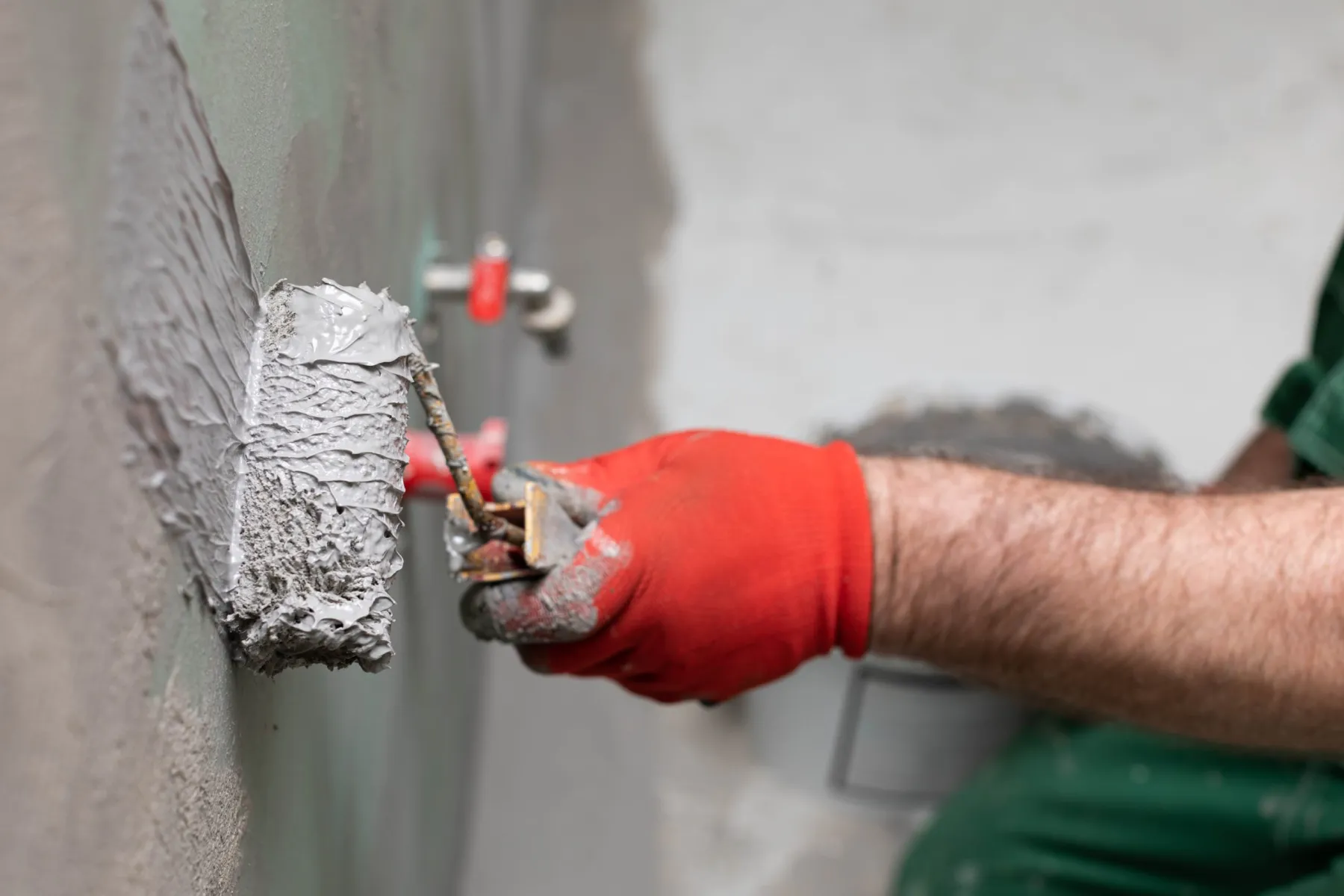
We do the boring version properly: prime, detail every corner and penetration with reinforcing fabric, build the specified film thickness in two coats at right angles, then fill the area and leave it for 24 to 48 hours with the level marked. If it drops, we find out why before anyone tiles.
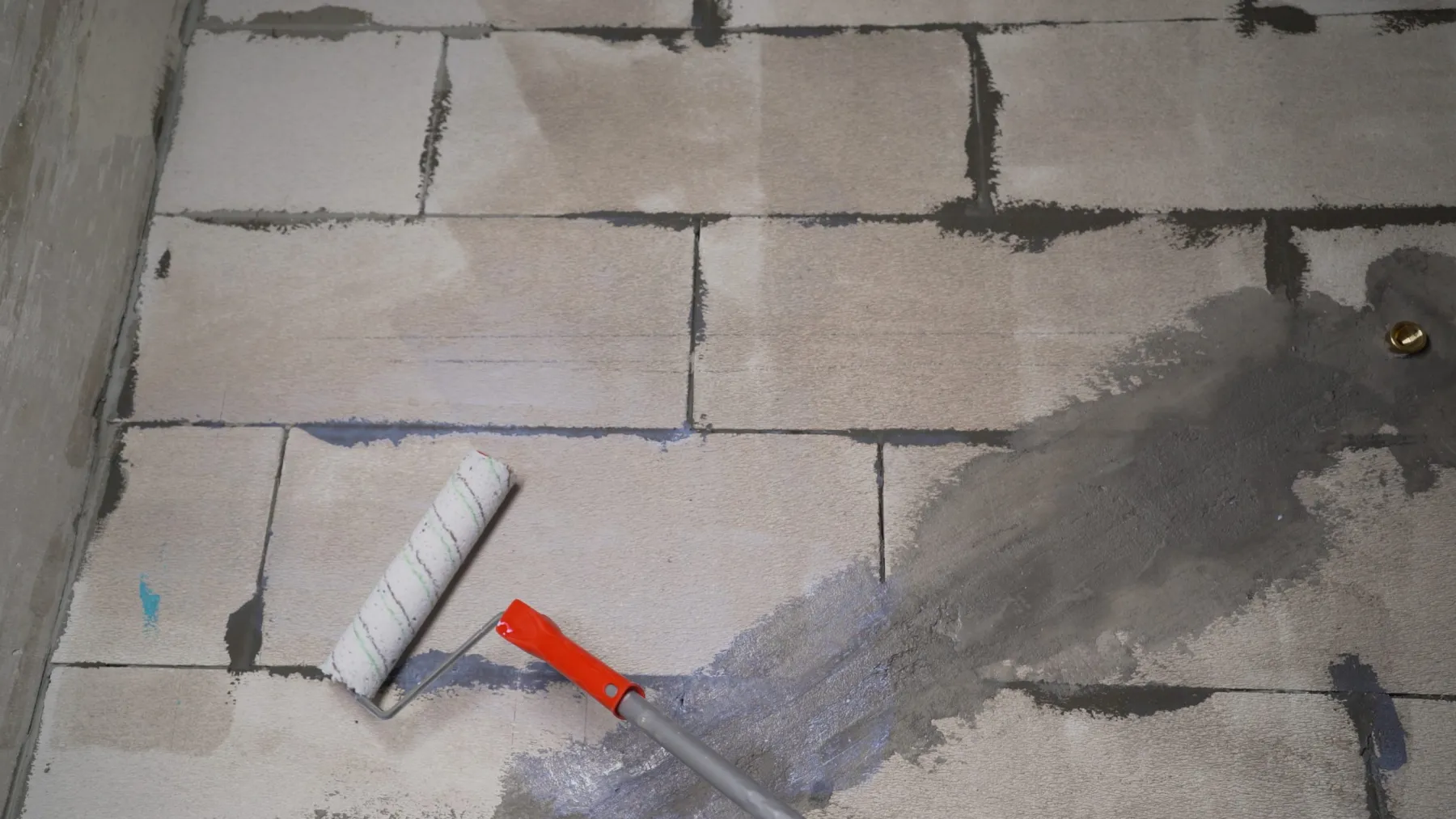 48 hour testBefore any tiling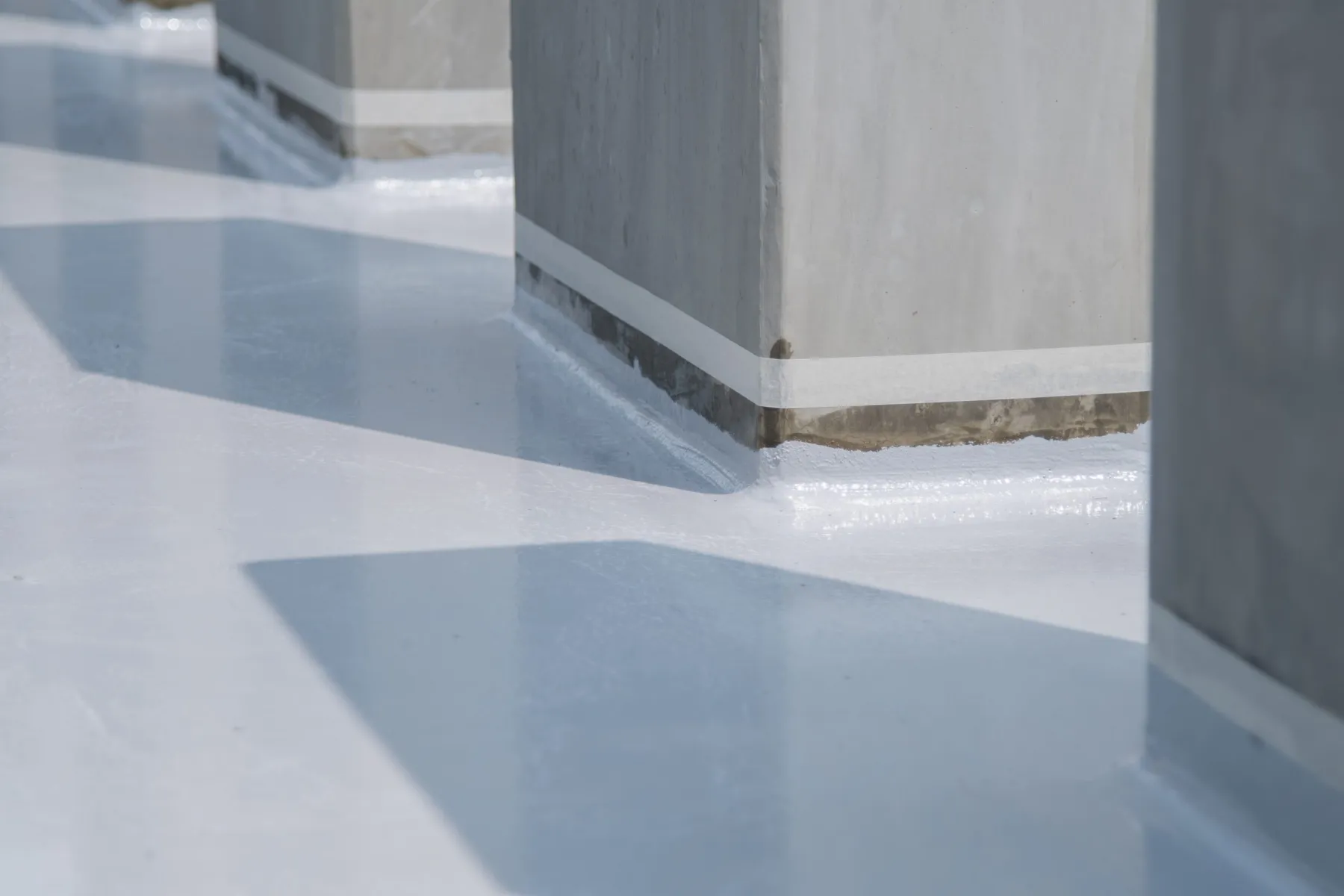
The areas that need tanking
Anywhere water can sit, run or splash needs a membrane beneath the finish. In Dubai that list is longer than people expect, because condensation and irrigation cause as much damage as rain.
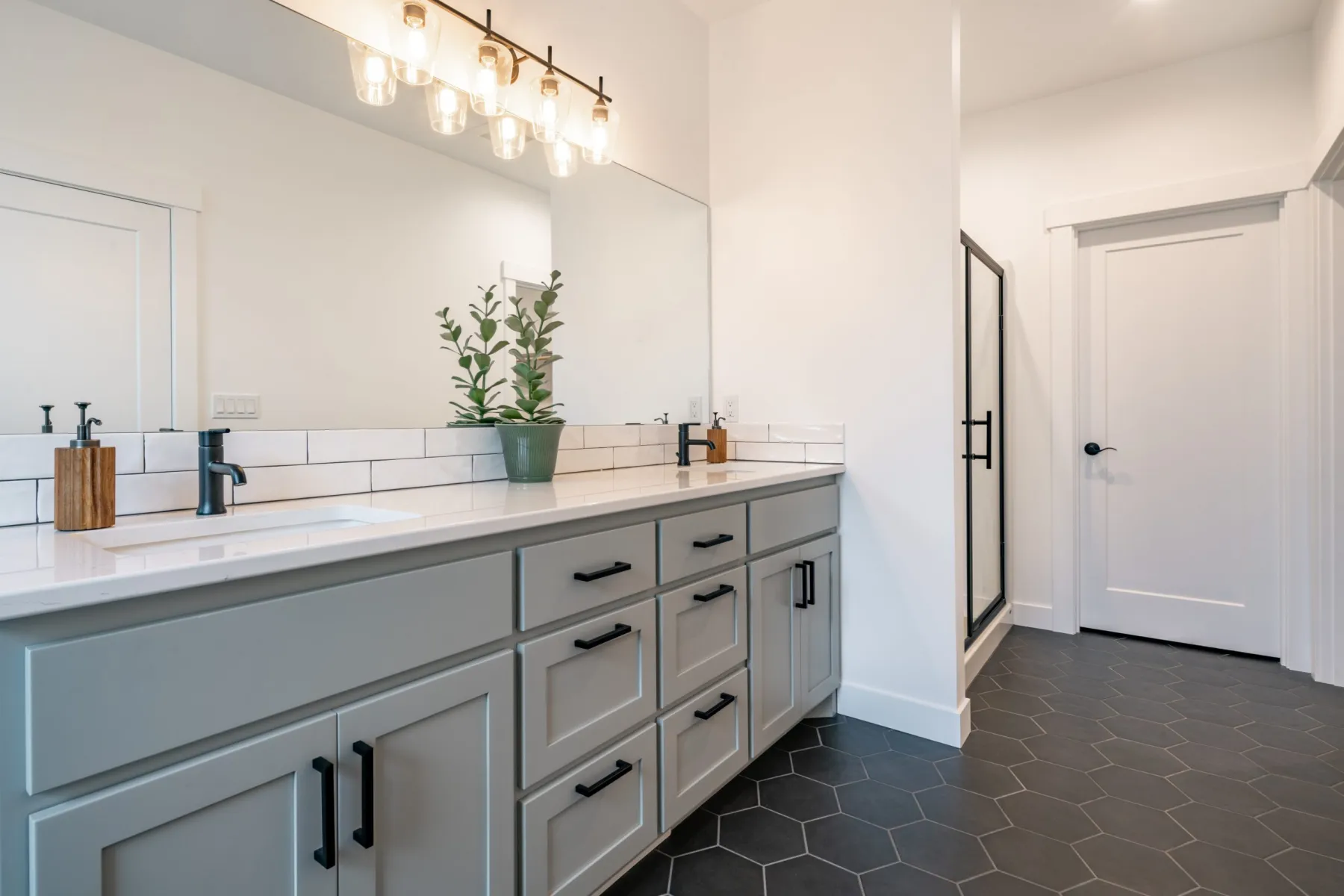
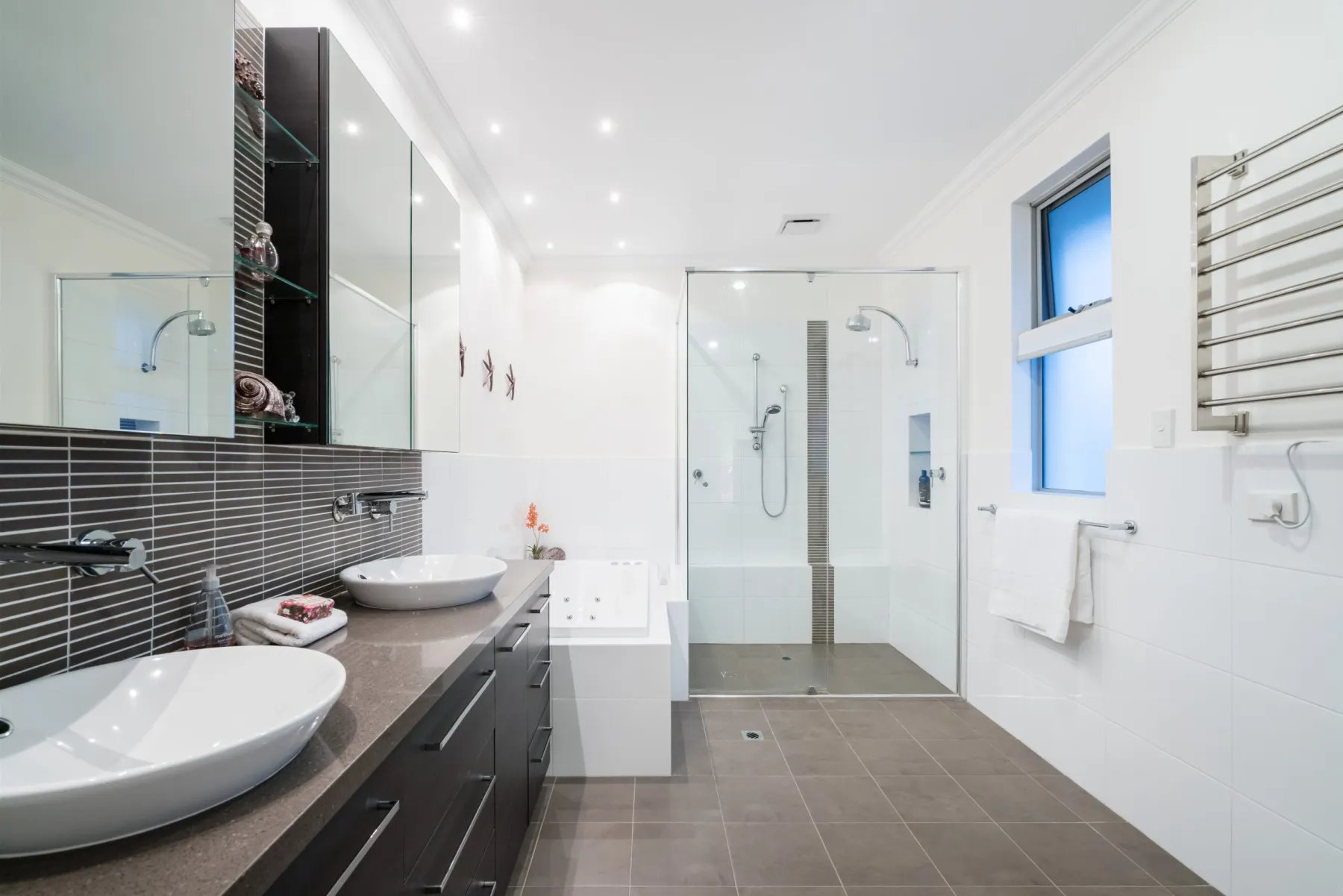
Bathrooms and shower rooms. The whole floor plus the wall-to-floor junction as a minimum, and full wall height inside the shower enclosure. The drain, every pipe penetration and every corner are detailed with reinforcing fabric before the main coats go on.
Kitchens, laundries and wet kitchens. The floor under the units and the wall behind the sink and the washing machine. Frequently omitted in Dubai apartments, and the reason a downstairs neighbour finds out about a leaking washing machine before you do.
Balconies and terraces. A membrane over a properly falling screed, dressed up behind the door threshold and into every upstand. The threshold detail is where most balcony leaks start, because the finished floor level is often too high against the door.
Roofs. Exposed and protected membranes, insulated warm roofs, and coatings over existing surfaces. Dubai roofs endure extreme UV and enormous thermal movement, so material choice and detailing at upstands and outlets matters more than the flat area.
Planters and water features. Continuously wet and continuously overlooked. A planter waterproofed casually will leak into whatever is below within a year or two, and the repair means removing the planting and the soil.
Water tanks, basements and podiums. Potable-water-approved coatings inside tanks, and tanking systems for basements and podium decks where the water pressure is on the other side of the structure.
Liquid, sheet and cementitious — which and why
Liquid-applied membranes are the default for bathrooms and complex shapes. Polyurethane or acrylic, rolled or brushed on in two coats at right angles to each other, with reinforcing fabric bedded into every corner, junction and penetration. They are seamless, which is their great advantage: there is no joint to fail around an awkwardly shaped drain or a pipe cluster.
Sheet membranes — torch-applied bitumen, self-adhesive sheets, or loose-laid synthetic sheets — come into their own on large flat areas such as roofs and podium decks, where a controlled factory thickness beats a site-applied film. The vulnerability moves to the laps and the terminations, so those get the attention.
Cementitious systems are rigid, cheap and appropriate where the substrate does not move: water tanks, retaining walls, lift pits. They are the wrong choice on a balcony or a suspended slab, because they crack when the structure flexes. Where movement is expected but a cementitious system is wanted, a flexible polymer-modified version is used instead.
The film thickness is the number that matters and the one that is never checked. A membrane specified at 1.5 mm dry and applied at 0.6 mm because the coverage rate was stretched is not waterproof. We apply by coverage rate per square metre and record it.
Two coatsApplied at right angles
How a waterproofing job runs
Survey and substrate assessment
We check what the substrate is, whether it falls correctly to the drain, and whether it is sound. A membrane over a screed that ponds water will simply hold the water somewhere else. Falls get corrected before anything else.
Preparation
Surfaces cleaned, laitance removed, cracks cut out and filled, corners formed with a fillet, and the whole area primed. Preparation is most of the labour and all of the adhesion.
Detailing
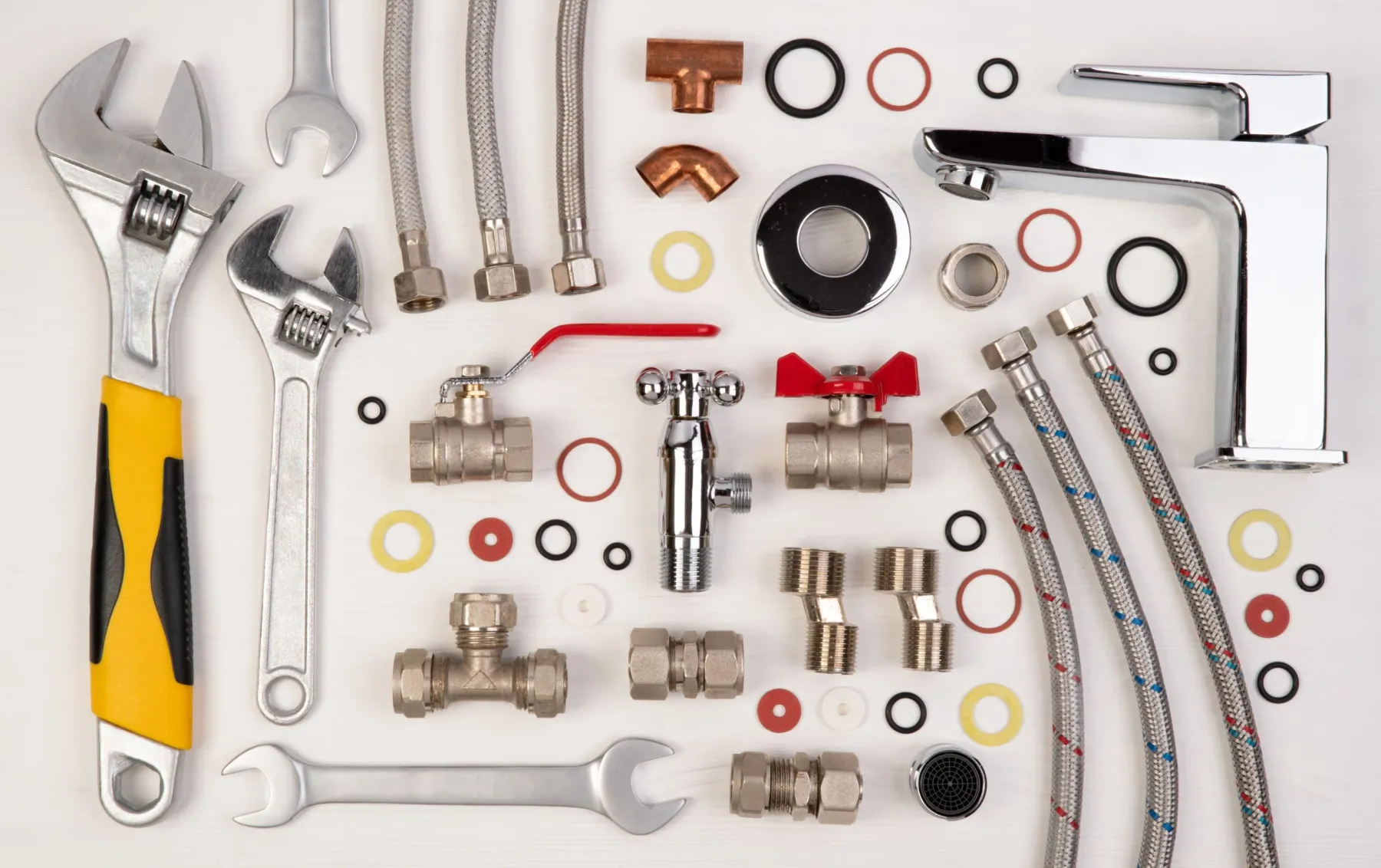
Reinforcing fabric bedded into every wall-to-floor junction, internal and external corner, drain collar and pipe penetration. These details are done first and separately, because they are where every failure begins.
Membrane application
Two coats applied at right angles at the specified coverage rate, with the correct recoat interval. Wall coverage taken to shower head height inside enclosures, and 150 to 300 mm elsewhere.
Flood test and record
The area is plugged, filled and left for 24 to 48 hours with the level marked, and the ceiling below inspected. We photograph the test and give you the record. Only then does the screed or the tiling start.
Waterproofing rates in Dubai
Supply and apply in Dubai, including preparation, detailing and flood testing. Rates assume a sound substrate; correcting falls or removing a failed system is priced separately.
| Item | Unit | Typical range |
|---|---|---|
| Bathroom, liquid membrane, floor and upstands | per sq m | AED 55 – 95 |
| Shower enclosure, full height walls | per sq m | AED 75 – 120 |
| Kitchen or laundry floor | per sq m | AED 50 – 90 |
| Balcony or terrace | per sq m | AED 70 – 140 |
| Roof, liquid applied system | per sq m | AED 80 – 160 |
| Roof, torch-applied bitumen sheet | per sq m | AED 90 – 180 |
| Planter, internal tanking | per sq m | AED 110 – 220 |
| Water tank, potable-approved coating | per sq m | AED 120 – 260 |
| Basement or retaining wall tanking | per sq m | AED 130 – 300 |
| Screed to correct falls | per sq m | AED 60 – 130 |
| Leak detection and tracing | per visit | AED 800 – 2,500 |
| Leak repair, localised | per project | AED 2,500 – 8,000 |
| Removal of failed membrane and tiling | per sq m | AED 70 – 150 |
Waterproofing is cheap relative to what it protects and enormously expensive to retro-fit. Tanking a bathroom adds a few hundred dirhams to a renovation; repairing a leak through a finished ceiling below costs many thousands and takes two rooms out of use.
Finding a leak that has already started
By the time a stain appears on a ceiling, the water has usually travelled some distance from where it entered. Tracing it is a process of elimination rather than guesswork: isolate the supply and watch the meter for a pressure loss, dye test the drainage, flood test the shower tray separately from the floor, and check the balcony threshold and the AC condensate line, which is the most commonly misdiagnosed source of all.
Thermal imaging and moisture meters narrow the area without opening anything, which matters when the alternative is removing a finished ceiling on a hopeful basis. We locate first and open second.
Repairs range from resealing a shower tray junction to stripping and re-tanking a whole wet area. We will tell you which one it is and what each costs, including the making good, rather than quoting the cheap option and finding the rest later.
Waterproofing: common questions
How much does it cost to waterproof a bathroom in Dubai?
AED 55 to 95 per square metre for the floor and upstands, and AED 75 to 120 for full-height shower walls. A typical bathroom comes to AED 900 to 2,200 including preparation, detailing and the flood test.
How long does waterproofing take?
Two to four days for a bathroom including preparation and coats, then 24 to 48 hours of flood testing before tiling can start. Roofs and large areas run longer and depend on recoat intervals and weather.
Do you really need to flood test?
Yes. It is the only way to know the membrane works before it is buried under tiles. Skipping it saves two days and risks a repair that costs twenty times the saving. We photograph every test and give you the record.
Can you waterproof without removing the tiles?
Sometimes, with a surface-applied sealer or a tile-over membrane system, but it is a compromise. If the original membrane has failed, water is already in the substrate, and covering it traps the problem. We will say clearly which situation you are in.
How high should waterproofing go up the wall?
To shower head height inside an enclosure — around 1.8 to 2.1 metres — and 150 to 300 millimetres elsewhere in the room. A membrane taken up only 100 millimetres in a shower is one of the most common causes of leaks into adjoining rooms.
My ceiling has a water stain. Is it definitely the bathroom above?
Not necessarily. Air conditioning condensate lines, chilled water pipes and balcony thresholds cause a large share of the stains blamed on bathrooms. We trace the source with moisture readings and dye testing before opening anything up.
How long does a waterproof membrane last?
Ten to twenty years for a properly applied internal membrane that is never disturbed. Exposed roof and balcony systems are shorter, typically eight to fifteen years in Dubai UV, and should be inspected every couple of years at the upstands and outlets.
Do you give a guarantee?
Yes, on the work and the system, with the flood test record and photographs of the detailing as part of the handover. Manufacturer system warranties are available on roofs where the full specified build-up is used.
Get the wet areas checked
Whether you are renovating or chasing a stain on a ceiling, send photographs and we will tell you what is likely happening and what it costs to put right.