Plumbing in Dubai, pressure-tested before it disappears
Hot and cold supply, drainage set to a proven fall, concealed cisterns, water heaters and filtration — with access panels planned so anyone can reach a valve in five years without breaking tiles.
What plumbing work in Dubai involves
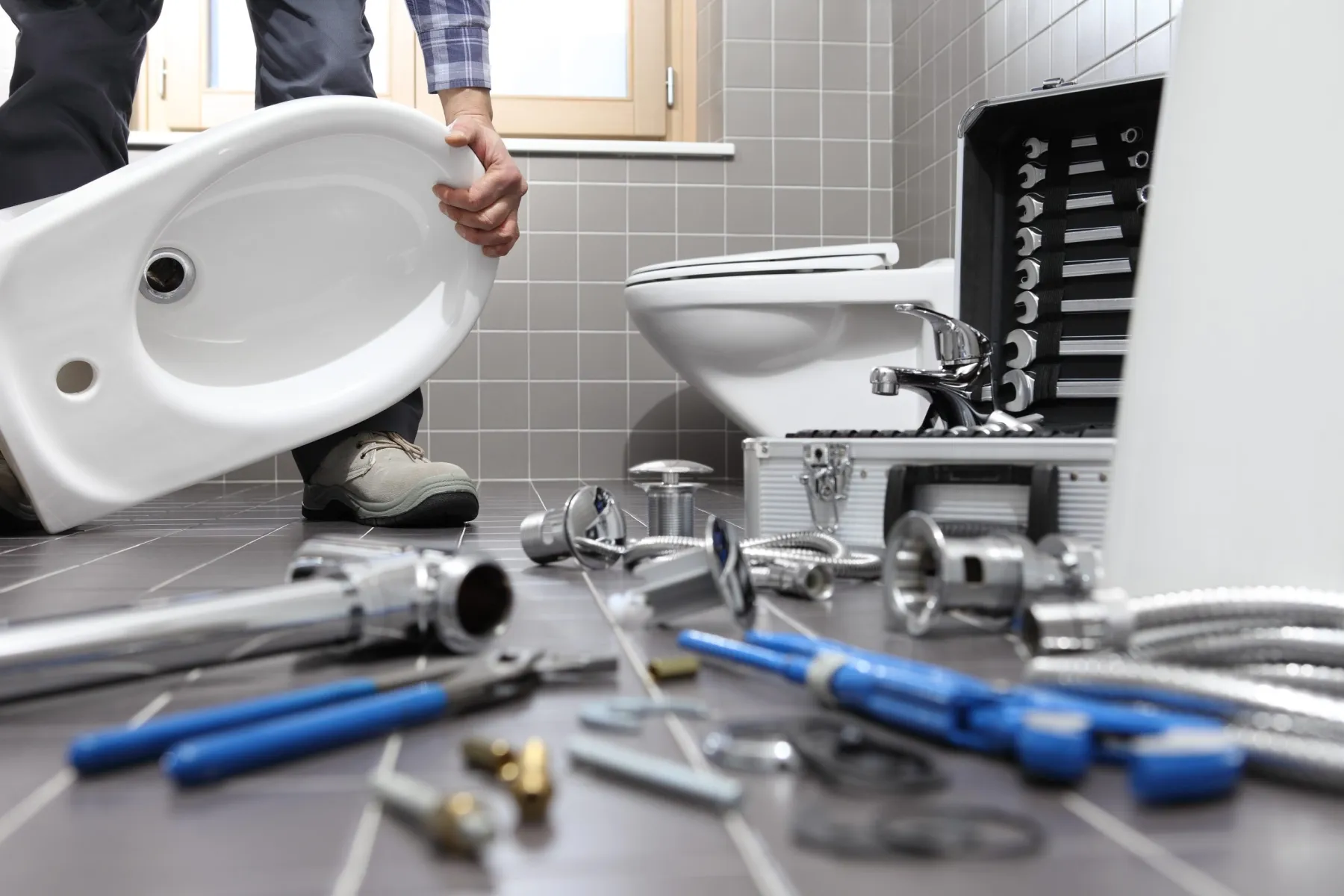
Plumbing on a Dubai renovation covers hot and cold supply pipework, drainage alterations and the falls that make them work, concealed cisterns, water heaters, filtration, and sanitaryware installation. A bathroom plumbing alteration runs AED 4,500 to 12,000 depending on how far fixtures move. All pipework is pressure-tested and held before it is buried, and any drainage change requires a Dubai Municipality submission, which we prepare and lodge.
Plumbing has one characteristic that separates it from every other trade: when it fails, the damage is somewhere else. A leak behind a wall shows as a stain in the next room, or in the ceiling of the apartment below, weeks after it started and metres from the actual fault.
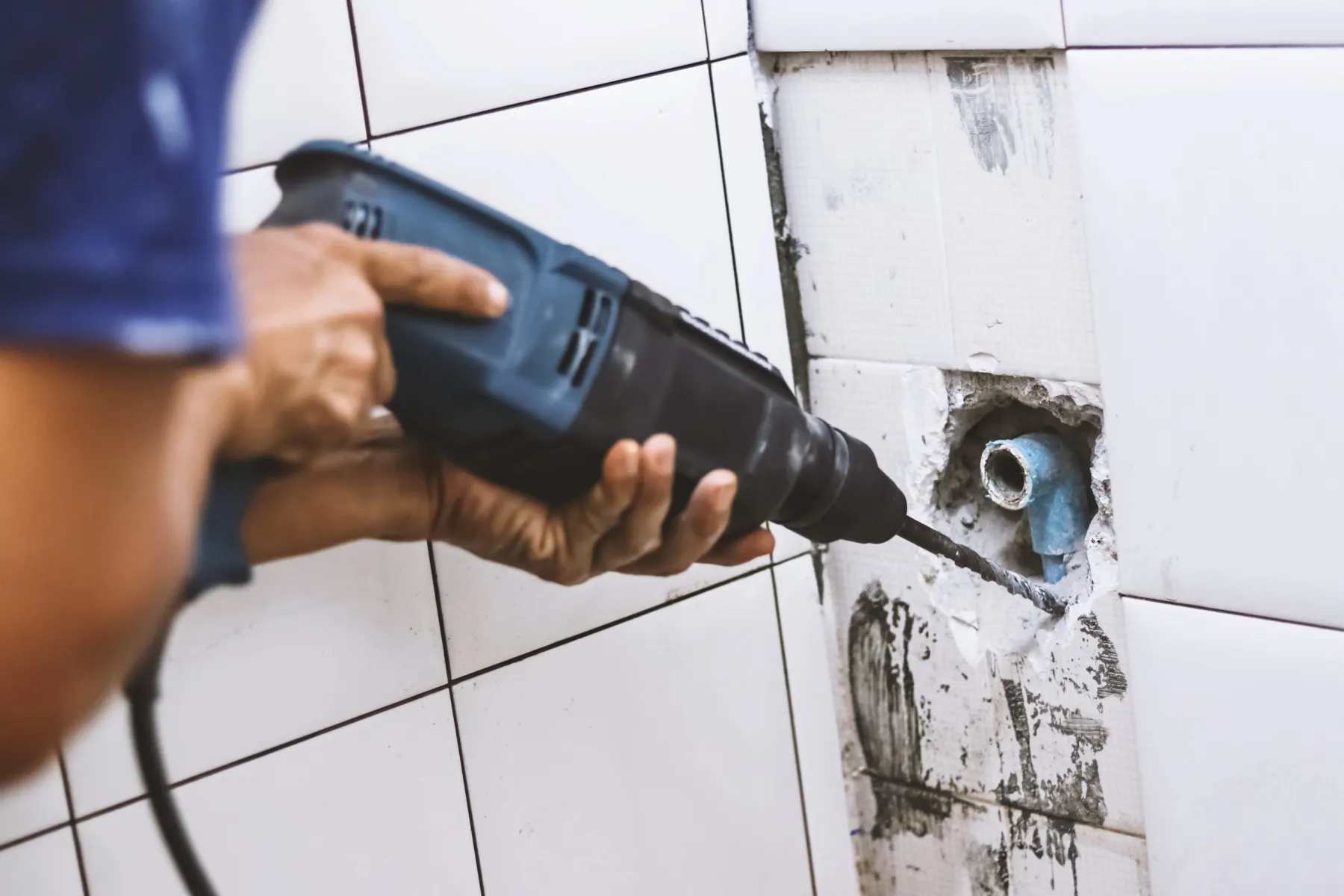
That is why the discipline is entirely front-loaded. Pipework is pressure-tested and held under pressure before anything covers it. Drainage falls are set with a level and proven with water rather than assumed. Access is designed in at first fix rather than cut in during an emergency.
None of this is expensive. It is an afternoon of work and a day of waiting, and it is the difference between a bathroom that is finished and a bathroom that is finished for now.
 TestedHeld under pressure before closing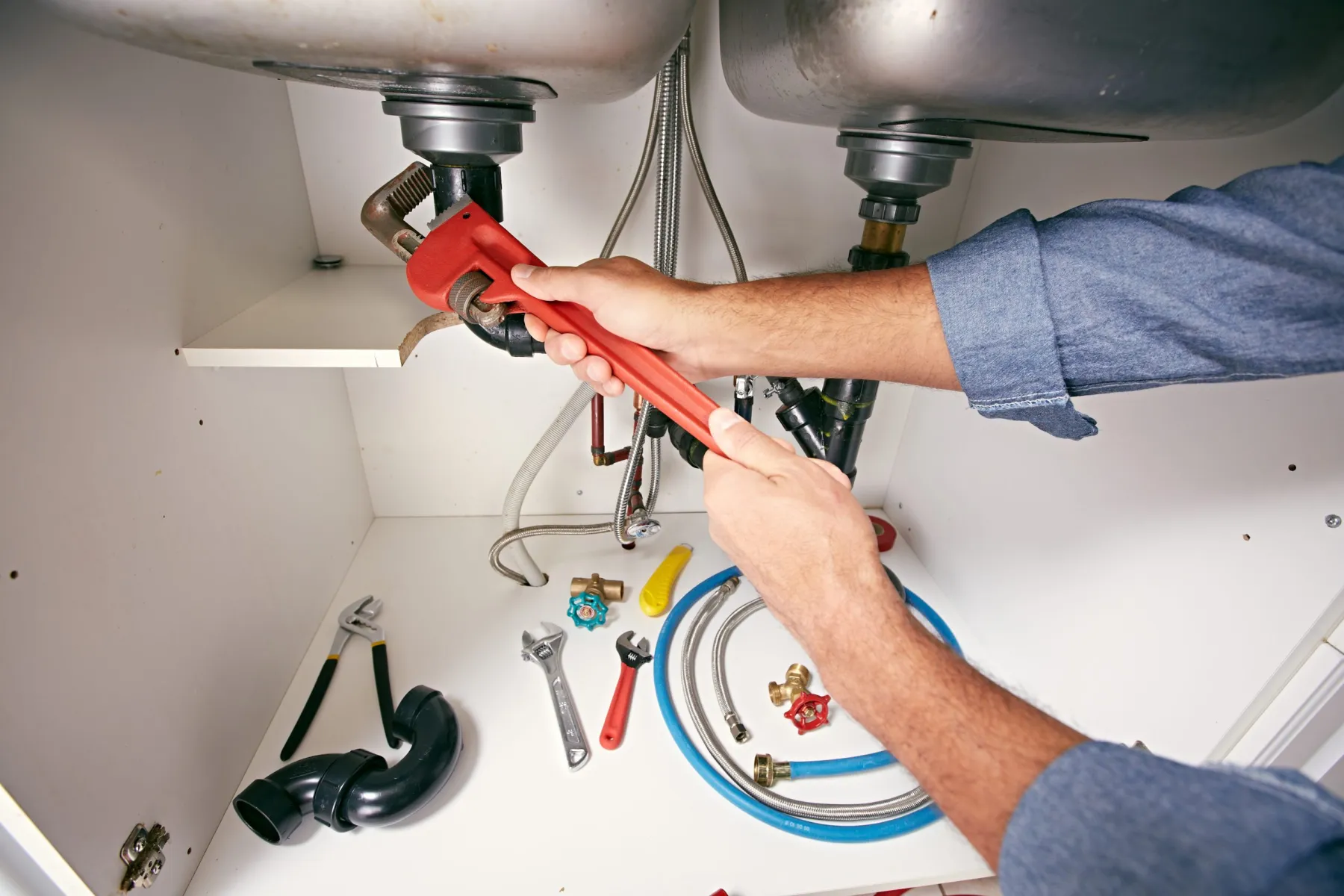
The plumbing scope on a renovation
Most of this happens in a two to three week window and then never gets looked at again, which is exactly why it is worth doing properly.
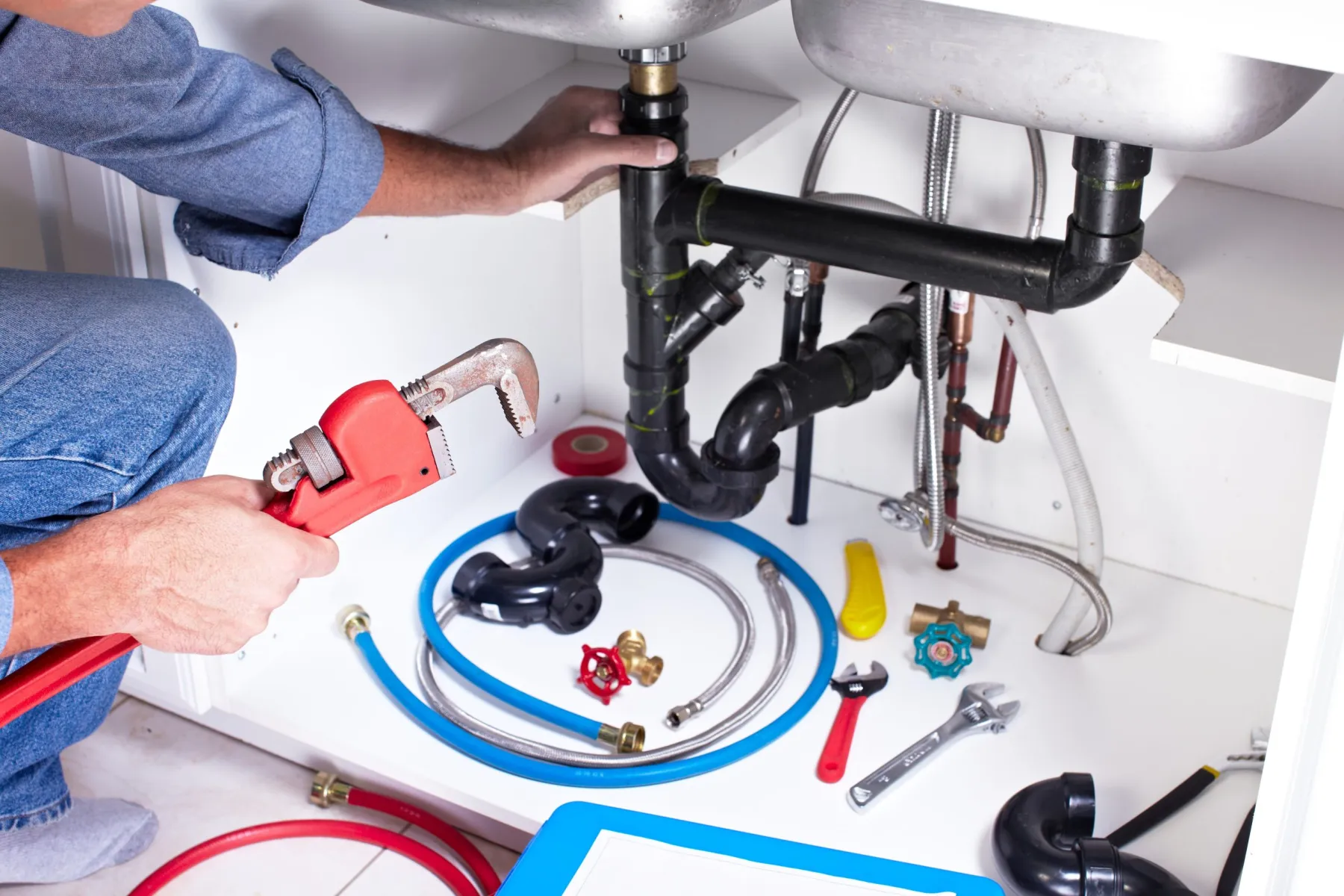
Supply pipework. Hot and cold runs in PPR or PEX, sized to the fixtures they serve and run so that a long draw to a distant bathroom does not mean a minute of cold water first. Isolation valves at every branch, in positions that can actually be reached.
Drainage and falls. The part that governs what is possible. A WC needs a short, steep run to the stack. A shower gully needs consistent fall across the whole wet area. On a concrete slab with limited screed depth, those constraints decide the layout — not preference — and we measure them at survey.
Concealed cisterns and carriers. Wall-hung WCs and basins need a proper carrier frame fixed to structure, not to a plasterboard partition alone. Done correctly they are rock solid for decades; done badly they move, and the movement cracks the tiling around them.
Water heaters. Sizing matched to the number of bathrooms and the usage pattern, positioned where the unit can be serviced and where a failure drains somewhere harmless rather than into a ceiling.
Filtration and softening. Dubai water is hard, and scale shortens the life of heaters, mixers and appliances. Whole-property filtration or point-of-use systems installed where the client wants them, with the cartridge position reachable for changes.
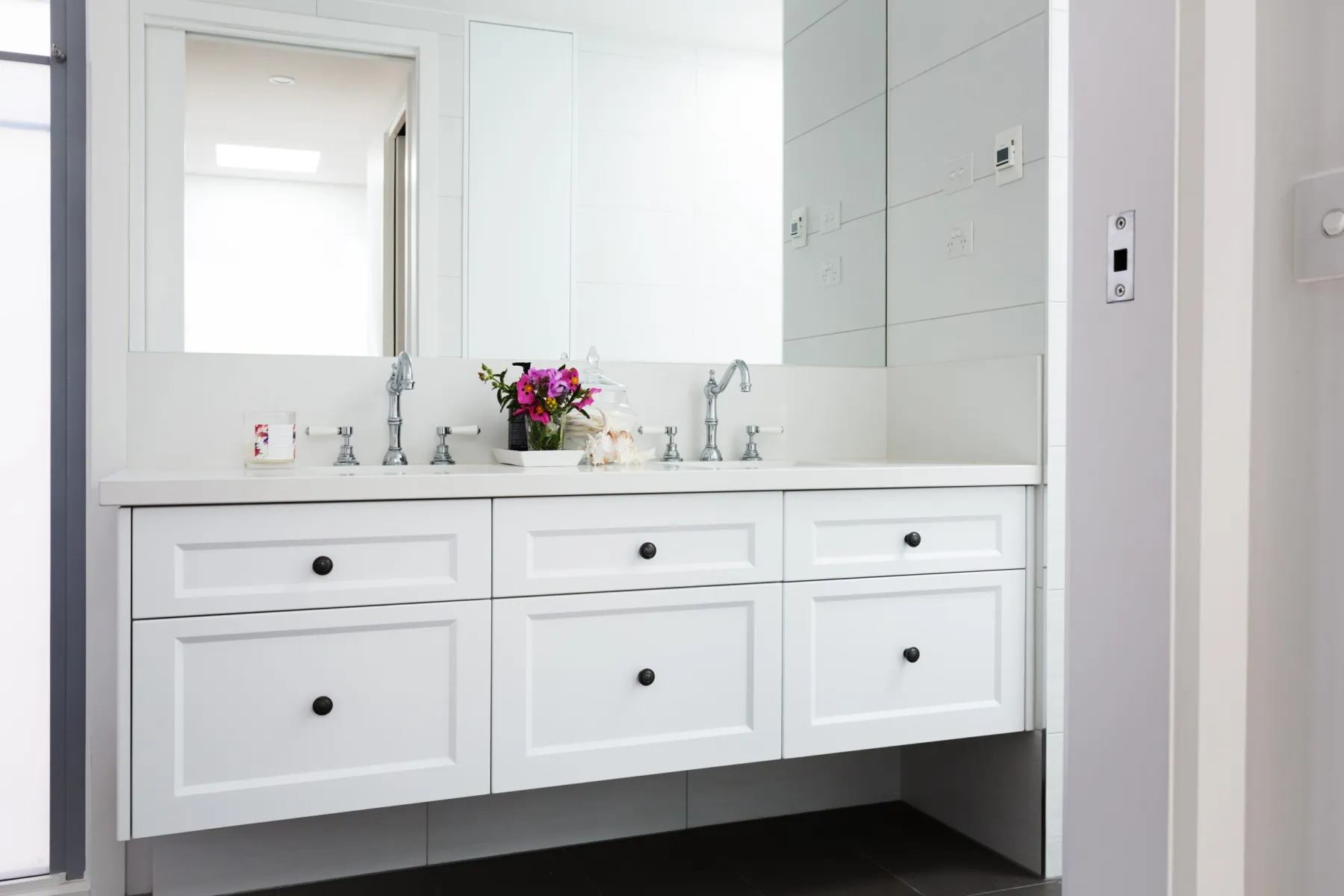
Sanitaryware and brassware. Supplied by us or fitted from your own purchase. Levels checked twice, silicone lines cut clean, and everything tested under running water before we leave.
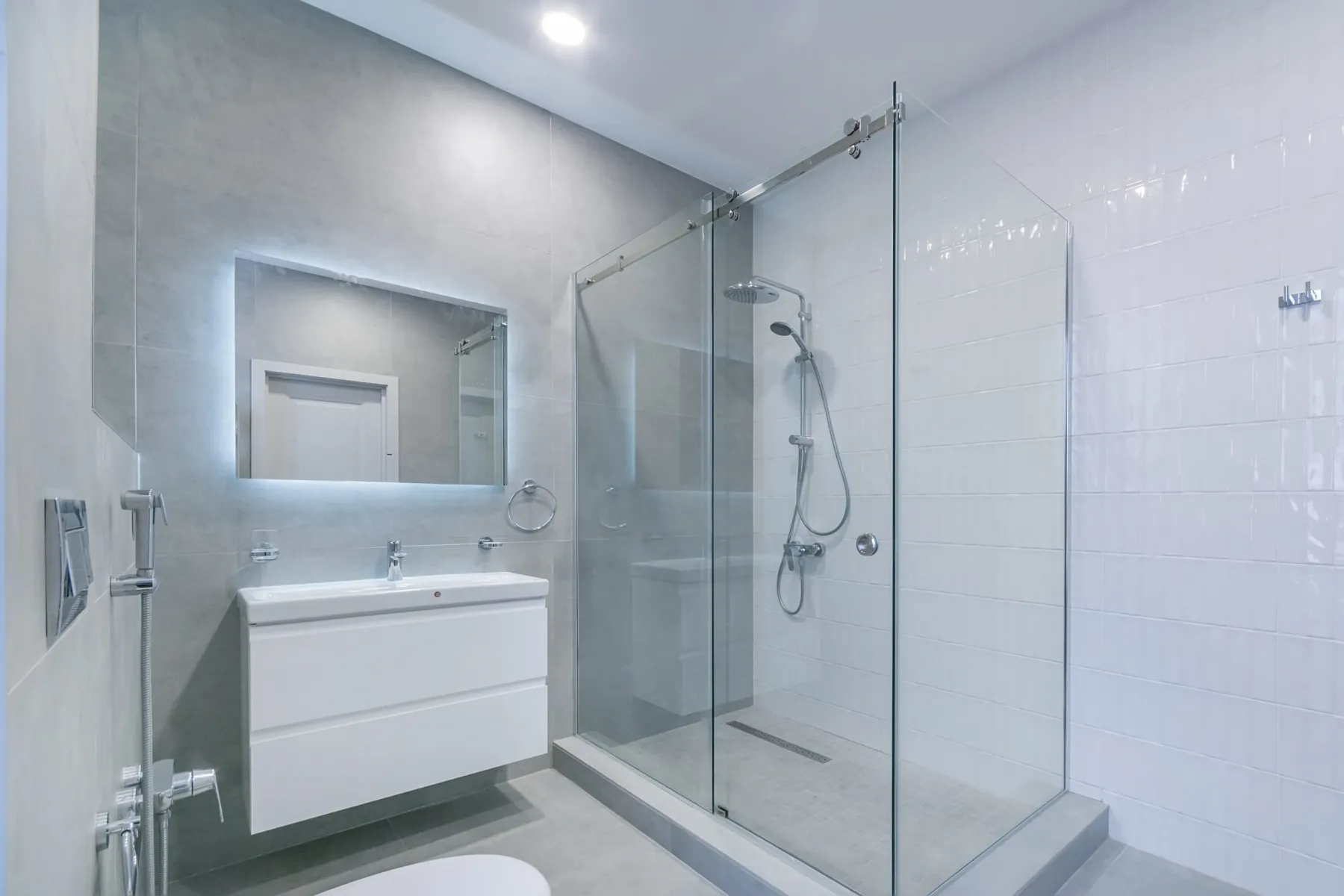
Why you cannot always move the toilet
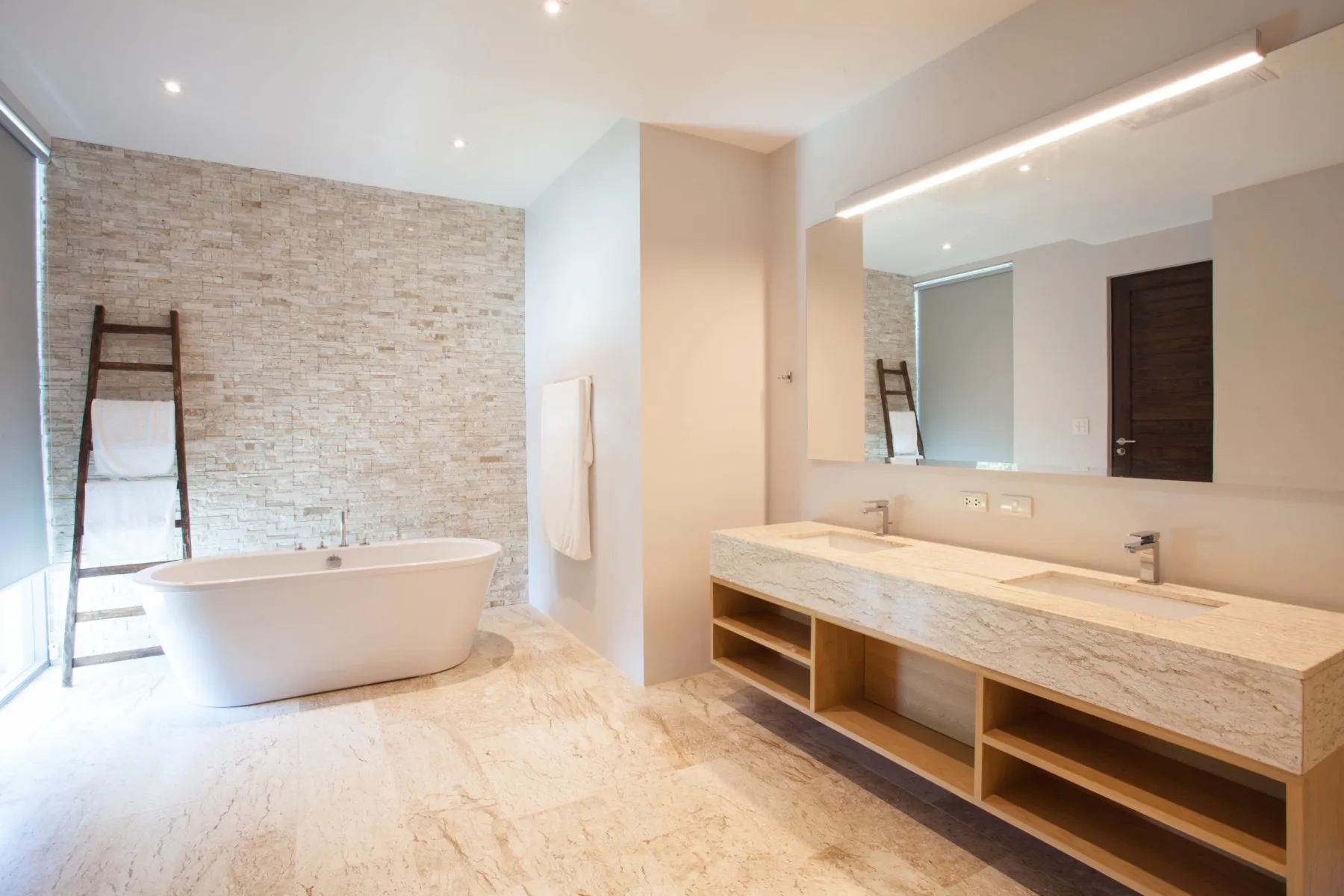
This is the single most common disappointment in a bathroom or kitchen plan, and it is worth understanding before you fall in love with a layout.
Waste needs fall. Water moves downhill, and a drainage run needs a consistent gradient from the fixture to the stack — roughly 1:40 for a WC branch and 1:80 or better for a floor gully. Over three metres that is 75mm of drop for a WC, and in an apartment you have only the screed depth to find it in.
The slab is the limit. You cannot cut into a structural slab to gain depth. So the available screed thickness, which might be 60 to 100mm, is the entire budget for moving anything.
What this means in practice. A basin can usually move a long way. A shower can often move, sometimes with a linear drain against a wall to simplify the fall. A WC can rarely move more than a metre or two, and moving it across a room usually means a raised plinth — which you may or may not accept.
We measure the existing falls and the available depth at survey, before quoting, and tell you which parts of your layout are achievable. Finding this out after strip-out is how programmes and budgets slip.
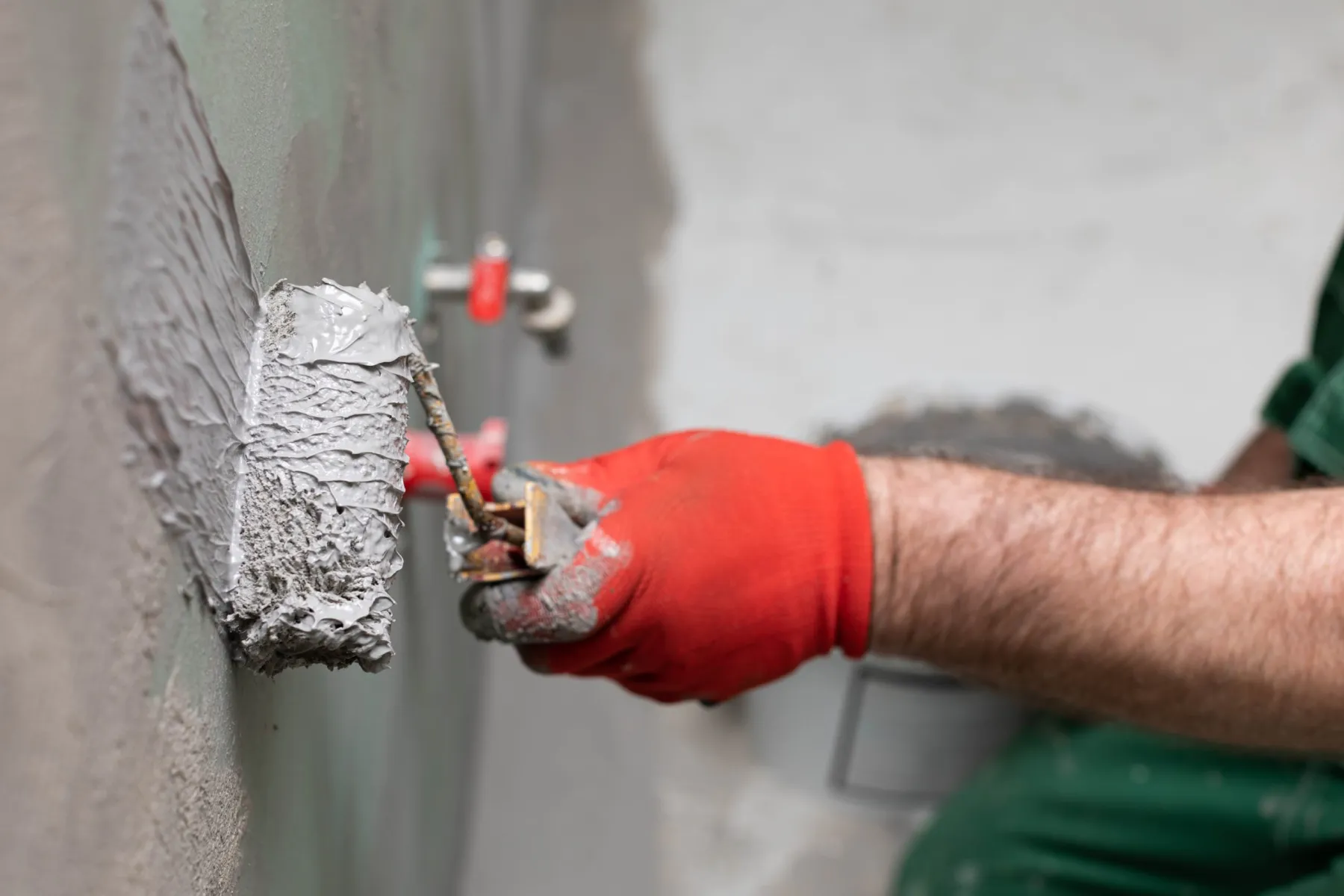
Six things that separate good plumbing from cheap plumbing
None of these are visible in a finished room. All of them appear on our quotations.
Pressure testing, held and recorded. Pipework is filled, pressurised and left under pressure. A joint that weeps slightly will show on the gauge within hours; the same joint buried behind tile will show on your neighbour’s ceiling in a year. We photograph the gauge.
Isolation valves that can be reached. Every branch isolated, and every valve behind an access panel or inside a cabinet rather than buried. Without them, a single dripping mixer means shutting off the whole property.
Access panels designed in. Concealed cisterns, shower mixers, strainers and stopcocks all need reaching. Planned at first fix they sit in sensible positions and match the tiling. Cut in later, they are a hole in a finished wall.
Proper carrier frames. Wall-hung fixtures carried on frames fixed to structure. This is where a cheap installation saves money and where the failure is most visible — a WC that flexes cracks the tiling around it.
Pipework supported and insulated. Clipped at correct intervals so it does not sag or knock, and insulated on hot runs so heat is not lost into a wall. Unsupported pipework is the cause of the banging sound people assume is air in the system.
Photographed before closing. Every wall and floor photographed with the pipework visible before it is covered. In five years, when someone needs to drill a wall, that photograph is the difference between a clean job and a flood.
Two to three weeks of plumbing on a typical job
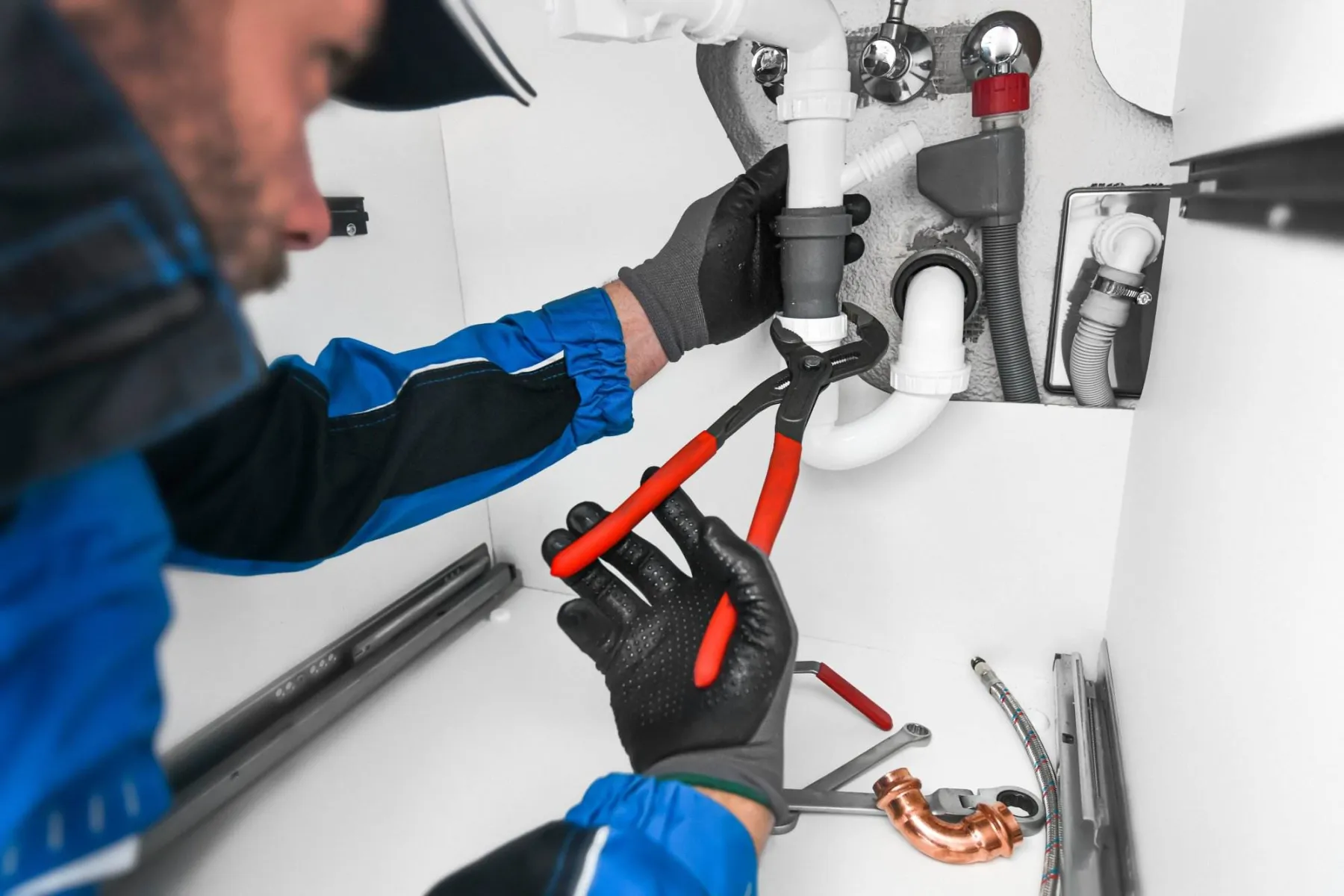
Survey and falls assessment
Existing drainage traced, falls measured with a level, screed depth established, stack and riser positions located. This determines what your layout can actually do, and it happens before we quote.
Strip out and set out
Old pipework removed, new runs marked against the fixture positions, carrier frames set and fixed to structure. Anything that cannot work as drawn is raised now rather than improvised later.
First fix pipework
Supply and waste installed, clipped and supported, hot runs insulated, isolation valves fitted at every branch and access panel positions confirmed.
Pressure test and photograph
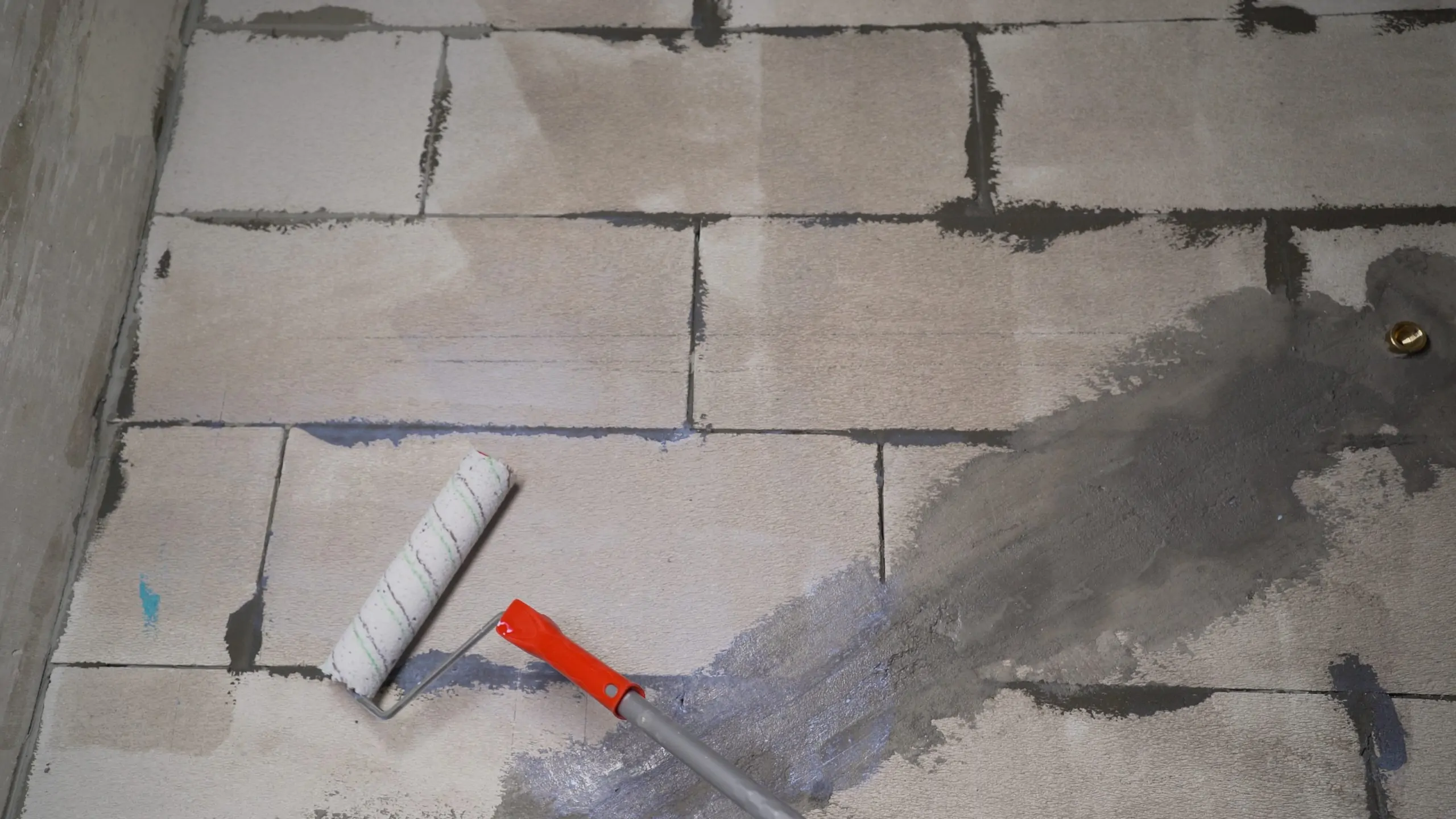
System pressurised and held, gauge photographed, drainage proven with water. Every wall and floor photographed with pipework visible before waterproofing and tiling begin.
Second fix and testing
WCs, basins, baths, mixers and shower systems installed after tiling. Levels checked, silicone cut clean, everything run under water and checked for leaks before handover.
Plumbing prices in Dubai
Plumbing is priced by fixture and by the extent of alteration rather than by area. Sanitaryware is excluded unless you ask us to supply it.
| Scope | Typical range | Notes |
|---|---|---|
| Bathroom plumbing alteration | AED 4,500 – 12,000 | Depends on how far fixtures move |
| Kitchen plumbing alteration | AED 3,000 – 8,500 | Sink relocation governed by waste fall |
| Full apartment replumb, 2 bedroom | AED 22,000 – 45,000 | Supply and drainage, including making good |
| Villa replumb | AED 65,000 – 180,000+ | Scale and number of wet areas |
| Concealed cistern and carrier frame | AED 2,200 – 5,500 | Frame fixed to structure, access panel included |
| Water heater supply and install | AED 1,800 – 6,000 | Sized to bathroom count and usage |
| Whole-property water filtration | AED 3,500 – 12,000 | Cartridge position kept reachable |
| Sanitaryware installation only | AED 450 – 1,400 per fixture | Fitting client-supplied items |
| Leak tracing and diagnosis | AED 450 – 1,500 | Before any repair is quoted |
| Emergency call-out | AED 350 – 900 | Usually within 24 hours in Dubai |
A plumbing quotation that does not mention pressure testing, isolation valves or access panels has left out the three items that decide whether the installation is serviceable. Ask for them by name.
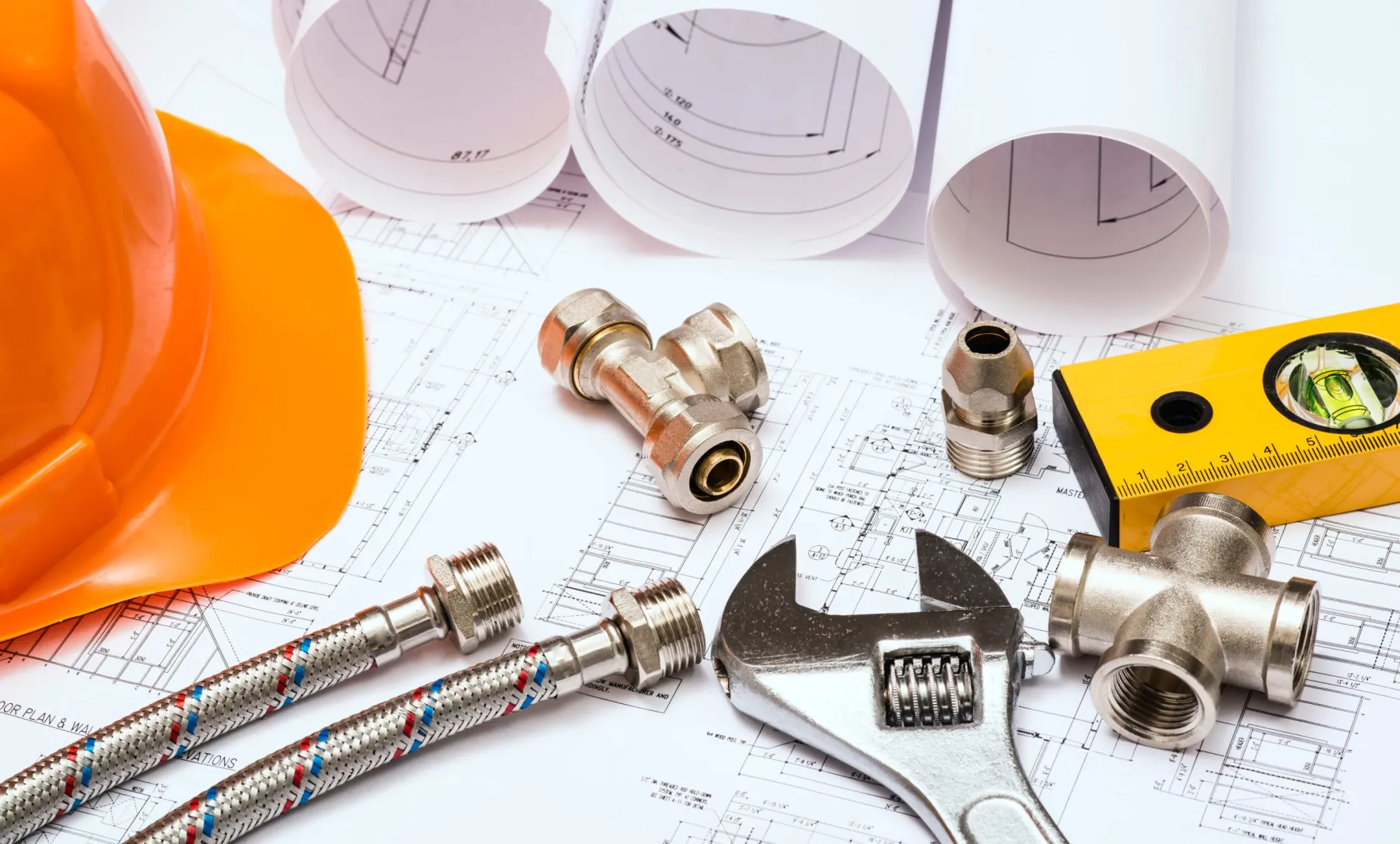
What we run pipework in, and why
Pipe material is one of the few plumbing decisions a client ever sees on a quotation. Here is what the options actually mean.
PPR for supply. Heat-fused joints rather than mechanical ones, which means the joint is effectively the same material as the pipe. It is the standard for concealed hot and cold work in this region for good reason — there is no seal to perish and nothing to loosen over time. It is what we use for buried runs.
PEX where flexibility helps. Useful for runs through awkward routes and for manifold systems where each fixture has its own feed back to a central point. A manifold arrangement costs more and gives better pressure balance and simpler isolation.
Copper where it is exposed. Still the right answer for visible pipework and plant connections, and for anything that has to take heat close to a water heater.
uPVC for drainage. Solvent-welded, supported at correct intervals, with proper access at bends. The critical detail is not the pipe but the fall and the support — an unsupported waste run sags between brackets and creates a low point where debris collects.
Insulation on hot runs. Reduces heat loss into walls, and in this climate also stops condensation forming on cold lines running through hot voids. Cheap, routinely omitted, and the cause of unexplained damp patches.
What we do not do. Mix incompatible materials at buried joints, use compression fittings where they cannot be reached, or run anything through a structural element without a proper sleeve. All three are found regularly in properties we are called to repair.
Leaks, blockages and the jobs that cannot wait
Not everything is a renovation. A good share of our plumbing work is a single visit, and we would rather do it properly than turn it away.
Tracing a leak is the job. Water travels along pipes, beams and screed before it appears, so the damp patch is rarely above the fault. We trace it before quoting a repair, because cutting open the wrong wall is expensive and common.
The usual culprits. A failed shower mixer cartridge, a concealed cistern inlet valve, a corroded compression joint, a condensate drain from an FCU, or waterproofing that failed at a threshold. Each looks the same from below and needs a different repair.
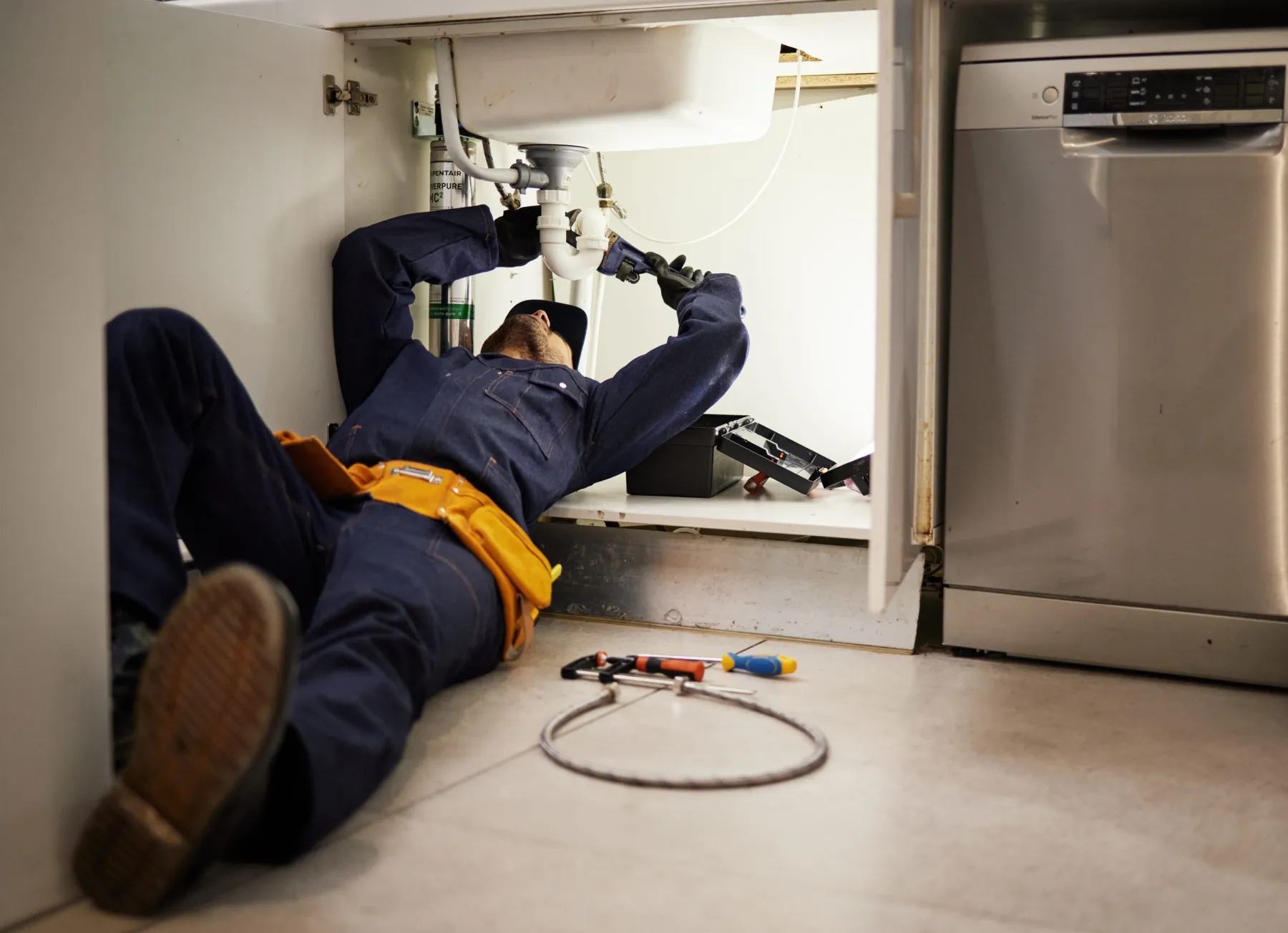
Blockages. Cleared mechanically rather than with corrosive chemicals, which damage older pipework and rarely solve a structural problem. Repeated blockages in the same run usually indicate inadequate fall or a partial collapse, and that is worth investigating rather than clearing every six months.
Low pressure and temperature swings. Often a partially closed isolation valve, a scaled cartridge or an undersized heater rather than a supply problem. Diagnosis first, parts second.
Water in a neighbour’s ceiling. The most urgent call we get. We attend, stop it, and document what we found — which matters when building management or insurance become involved.
Restaurants, clinics and offices
Commercial plumbing is governed by the activity rather than the floor area, and by authorities who will inspect it.
Restaurants and cafes. The hardest plumbing we do. Grease traps sized to the kitchen output and positioned for servicing, floor drainage with correct falls across the whole kitchen, hot water capacity for wash-up at peak, and separate drainage routes so kitchen waste does not discharge through a customer area. All assessed by Dubai Municipality Food Control, and getting it wrong delays an opening.
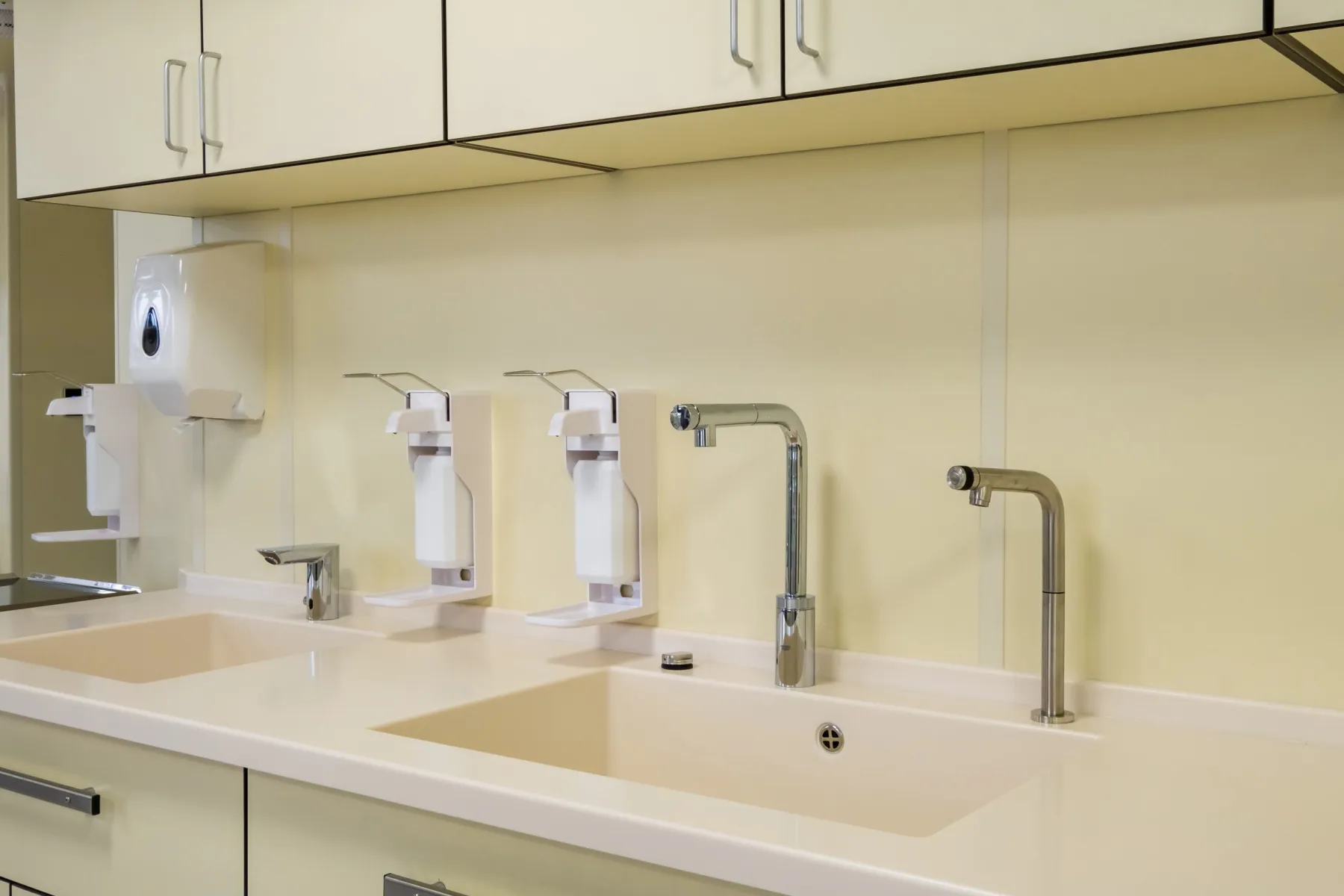
Clinics and medical. Sterile-area drainage, hand-wash provision at rates set by DHA rather than by preference, and materials specified for cleaning regimes. Some facilities require separate waste streams, which has to be designed in rather than added.
Offices. Pantries and tea points, washroom blocks sized to occupancy, and water heater capacity that copes with the morning peak rather than average demand. Simpler than F&B, but the pipework has to be routed around a ceiling void already carrying heavy services.
Salons and spas. Wash units need both supply and drainage at each position, and the drainage is what constrains the layout. Backwash basins also need hot water capacity well above what the floor area would suggest.
Working around trading. Isolation affects the whole unit, so shutdowns are planned and agreed in advance and carried out at night or on closed days wherever the landlord permits.
Documentation. Shop drawings, material submittals, method statements, pressure test records and as-built drawings — required by landlords and authorities, produced as part of the package.
Plumbing in Dubai
Can you move my toilet or shower?
A shower usually, a basin almost always, a WC rarely more than a metre or two. It is governed by drainage fall and the screed depth available above the slab. We measure both at survey and tell you what your layout allows before you commit.
Do I need approval to change plumbing?
Moving drainage or altering the layout requires a Dubai Municipality submission. Like-for-like replacement generally needs only a building or community NOC. We prepare and lodge whichever applies.
How much does bathroom plumbing cost?
AED 4,500 to 12,000 for a bathroom alteration depending on how far the fixtures move. A full two-bedroom apartment replumb runs AED 22,000 to 45,000 including making good.
Do you pressure test?
Always, before anything is covered. The system is filled, pressurised and held, and we photograph the gauge. We also photograph every wall and floor with the pipework visible, which is worth more than it sounds when someone drills a wall years later.
Why is my water pressure low?
Usually a partially closed isolation valve, a scaled mixer cartridge or an undersized water heater rather than the building supply. We diagnose before replacing anything.
Do I need a water filter in Dubai?
Water here is hard, and scale shortens the life of heaters, mixers and appliances. Whole-property filtration is worth considering during a renovation when the pipework is accessible; point-of-use is a cheaper alternative for drinking water alone.
How fast can you attend a leak?
Usually within twenty-four hours in Dubai. The first visit is to stop the damage and trace the cause; the repair and any making good follow once you have decided how you want it done.
Do you supply sanitaryware?
We can, but most clients buy their own at better prices. We fit client-supplied items and price the labour, typically AED 450 to 1,400 per fixture.
Get a plumbing survey
We will trace the existing drainage, measure the falls and tell you honestly what your layout can do — then quote it fixture by fixture, with testing and access included.