Flooring in Dubai, laid on a substrate we have checked
Porcelain, marble, engineered timber, parquet, SPC, vinyl, laminate and carpet — over a levelled, moisture-tested base, with the thresholds detailed rather than trimmed.
What flooring installation in Dubai costs and involves
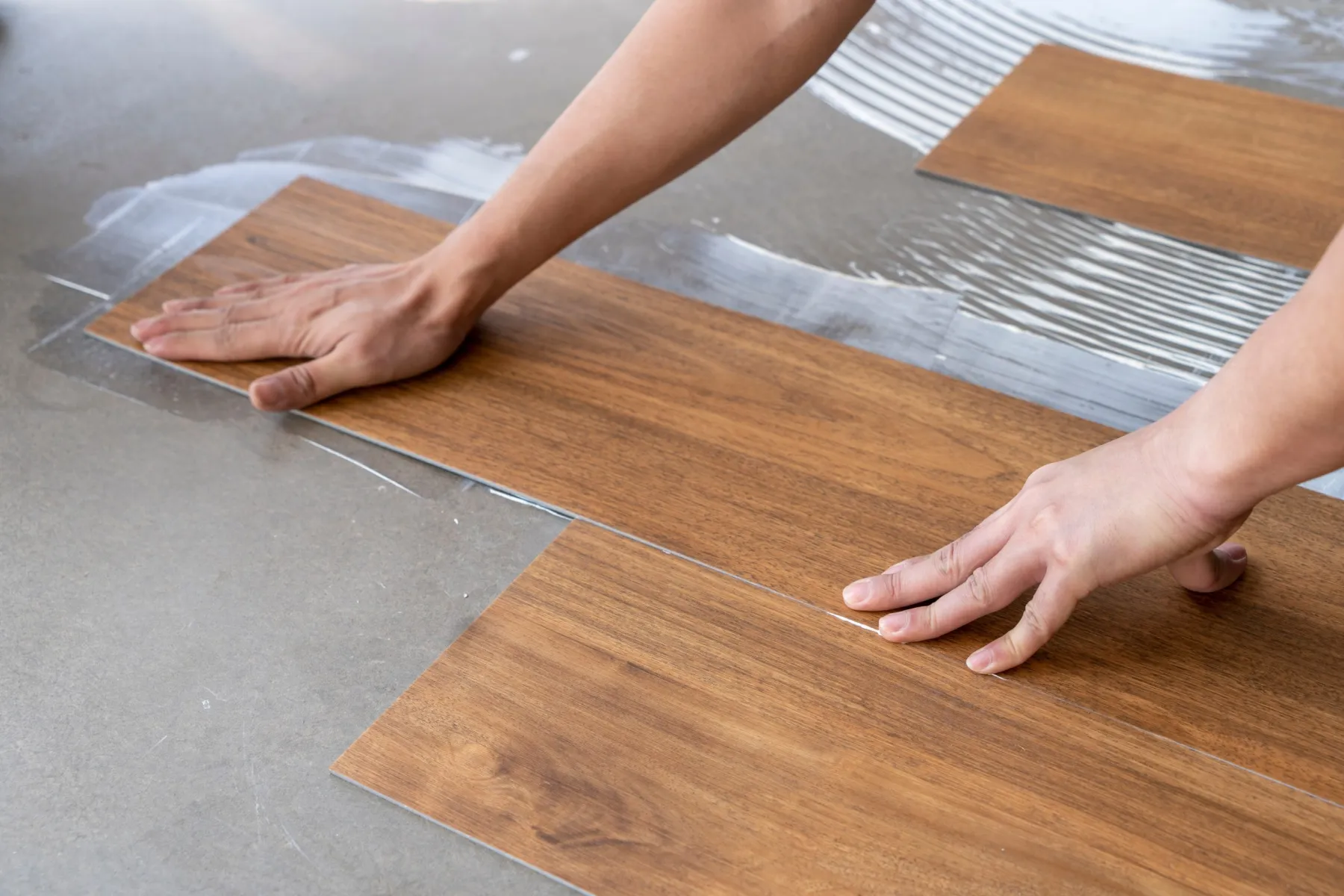
Flooring installation in Dubai costs AED 18 to 65 per square foot depending on material, laid over a substrate that has been levelled and moisture-tested first. The work is: lift and dispose of the existing floor, assess and correct the screed, check moisture content, lay the new material with the correct expansion allowance, then detail the perimeter and the thresholds. Abdulla Carpentry EST supplies and installs porcelain, natural stone, engineered timber, parquet, SPC, LVT, laminate and carpet, with a twelve-month workmanship warranty.
Almost every flooring complaint we are called to inspect — tiles lipping at the edges, timber cupping, vinyl showing every bump, planks lifting at a doorway — comes from the same place. The floor was laid on whatever was underneath it.
A substrate that is 6mm out over two metres is invisible on a bare screed and glaring under a 1200mm porcelain tile. A slab holding construction moisture will destroy an engineered timber floor laid over it, sometimes a year later. Neither is a laying fault; both are survey failures.
So we check first. Straight edge across the floor in both directions, moisture meter readings taken in several places, and an honest answer about whether the existing screed can be corrected or needs replacing. That conversation happens before quoting, not after lifting.
 AED 18–65Per sq ft installed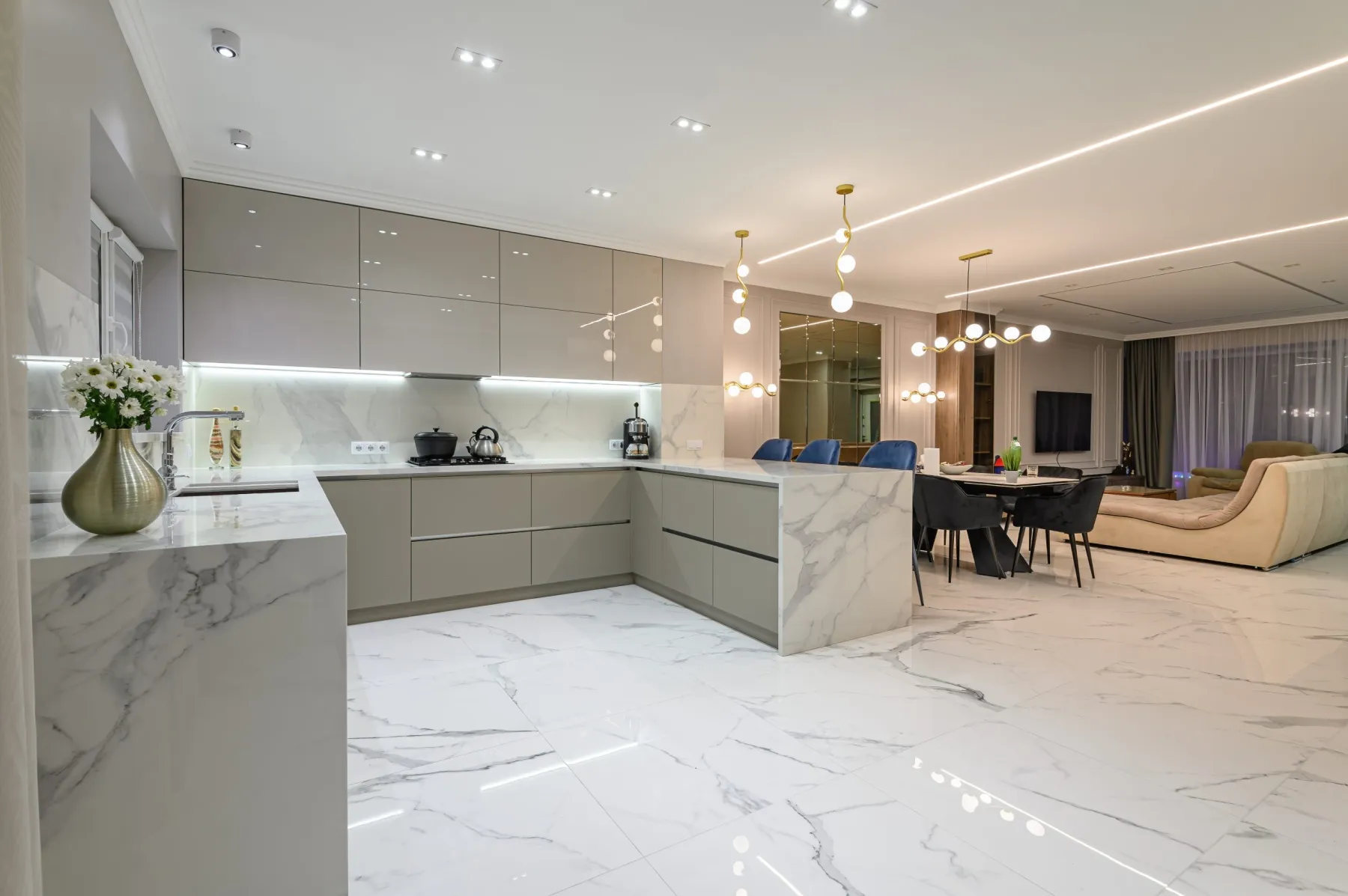
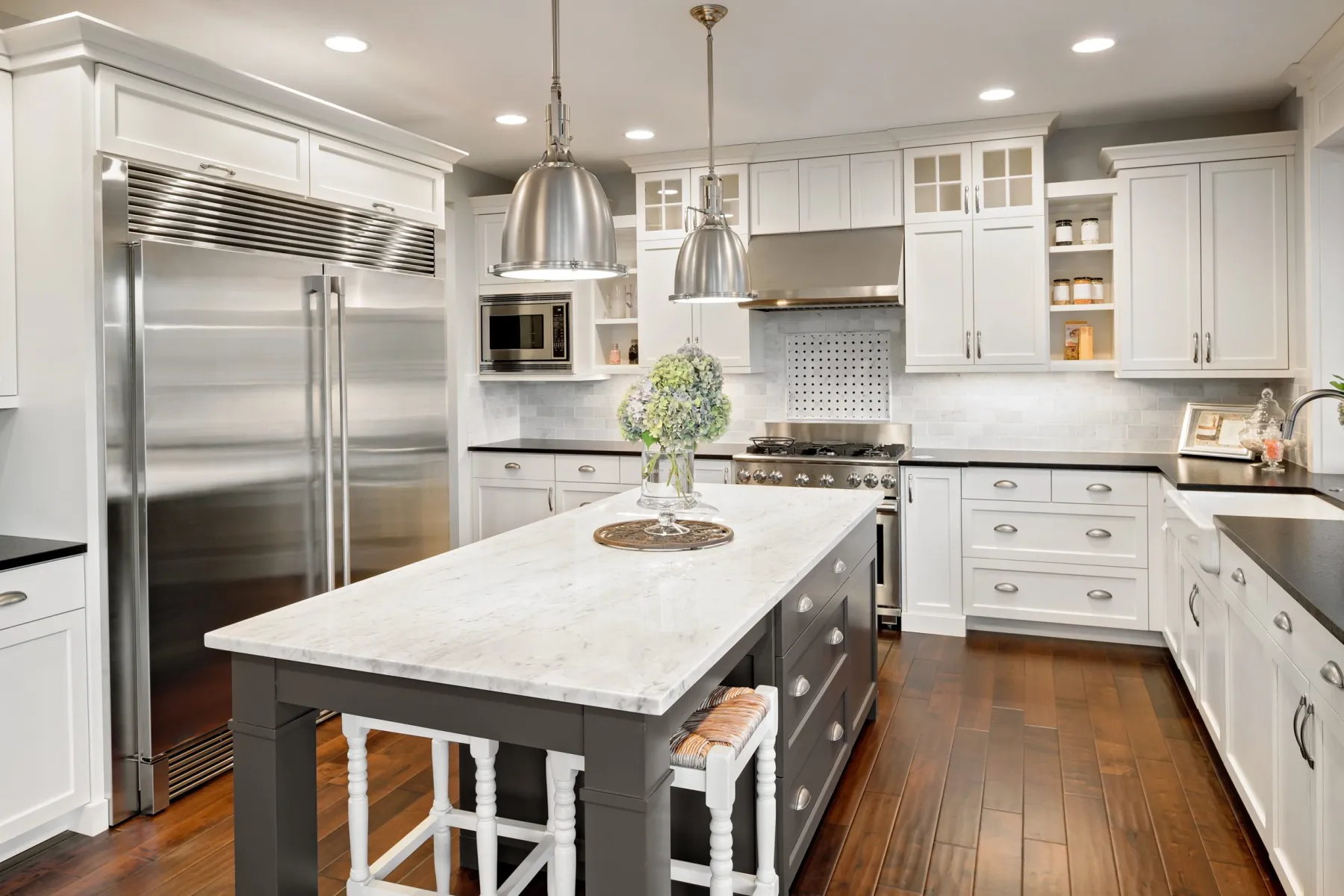
What to lay, and where it actually belongs
Every material here works somewhere and fails somewhere else. Most bad flooring decisions in Dubai are a good material in the wrong room.
Porcelain and ceramic. The default for this climate and rightly so — dimensionally stable, waterproof, indifferent to heat, and available in formats up to 1200×2400. Large formats look superb and are far less forgiving of a poor substrate, so they come with a levelling cost you should expect to see on the quotation.
Natural stone. Marble, granite and travertine, for entrances, bathrooms and formal rooms. Beautiful, heavy, and porous — it needs sealing on installation and resealing periodically. Marble in a kitchen will etch where citrus and vinegar land, and clients should decide whether they find that patina or damage before we lay it.
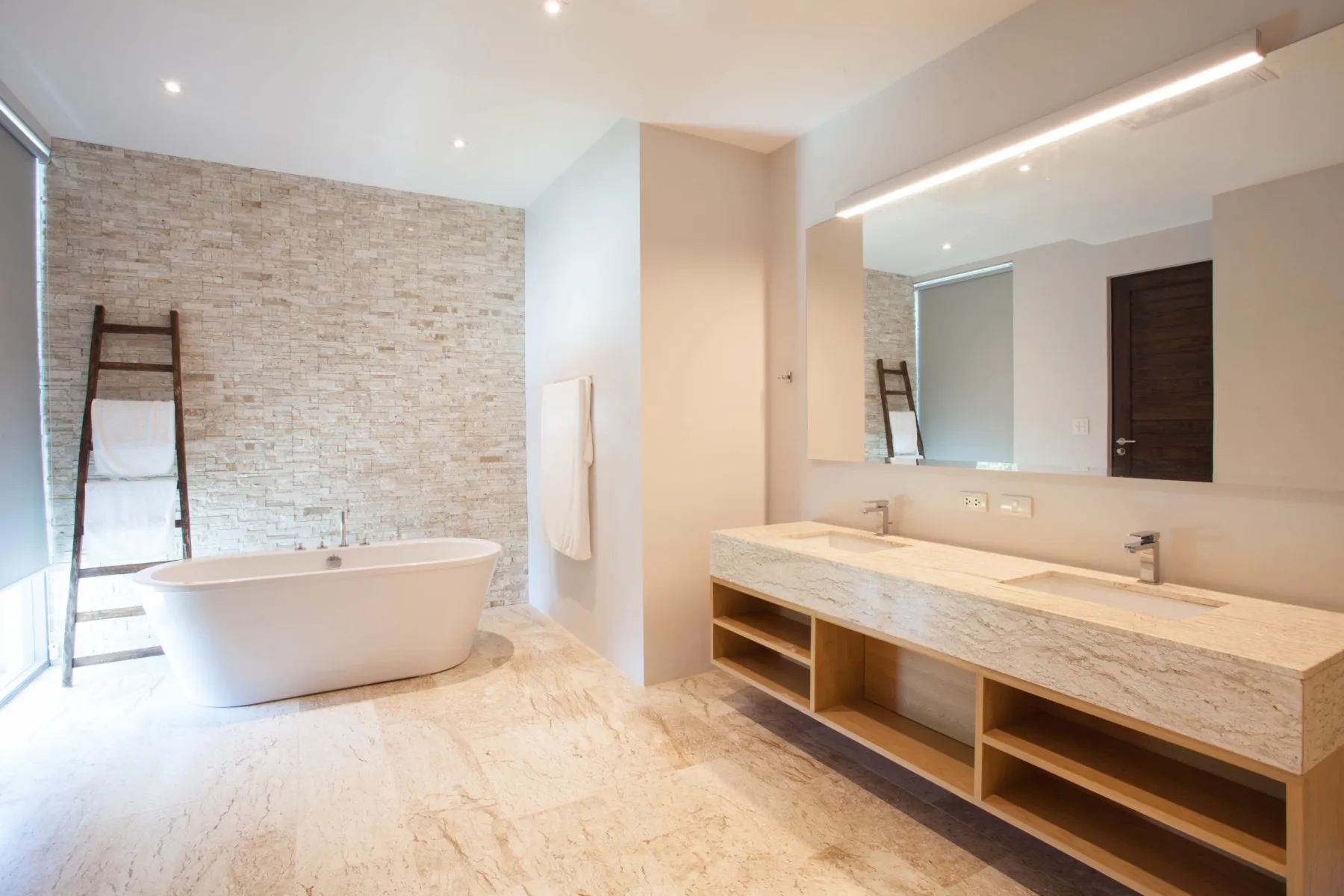
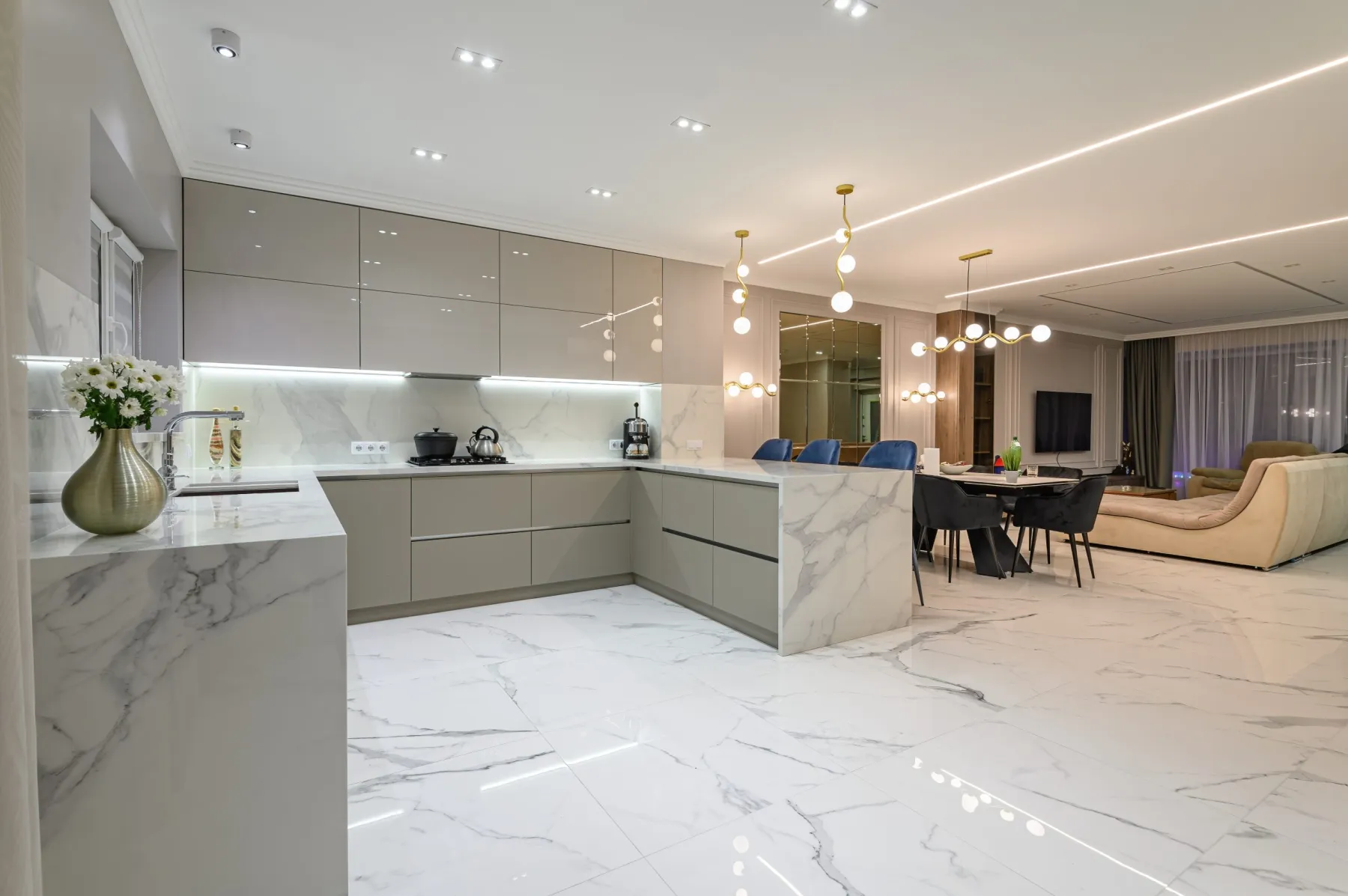
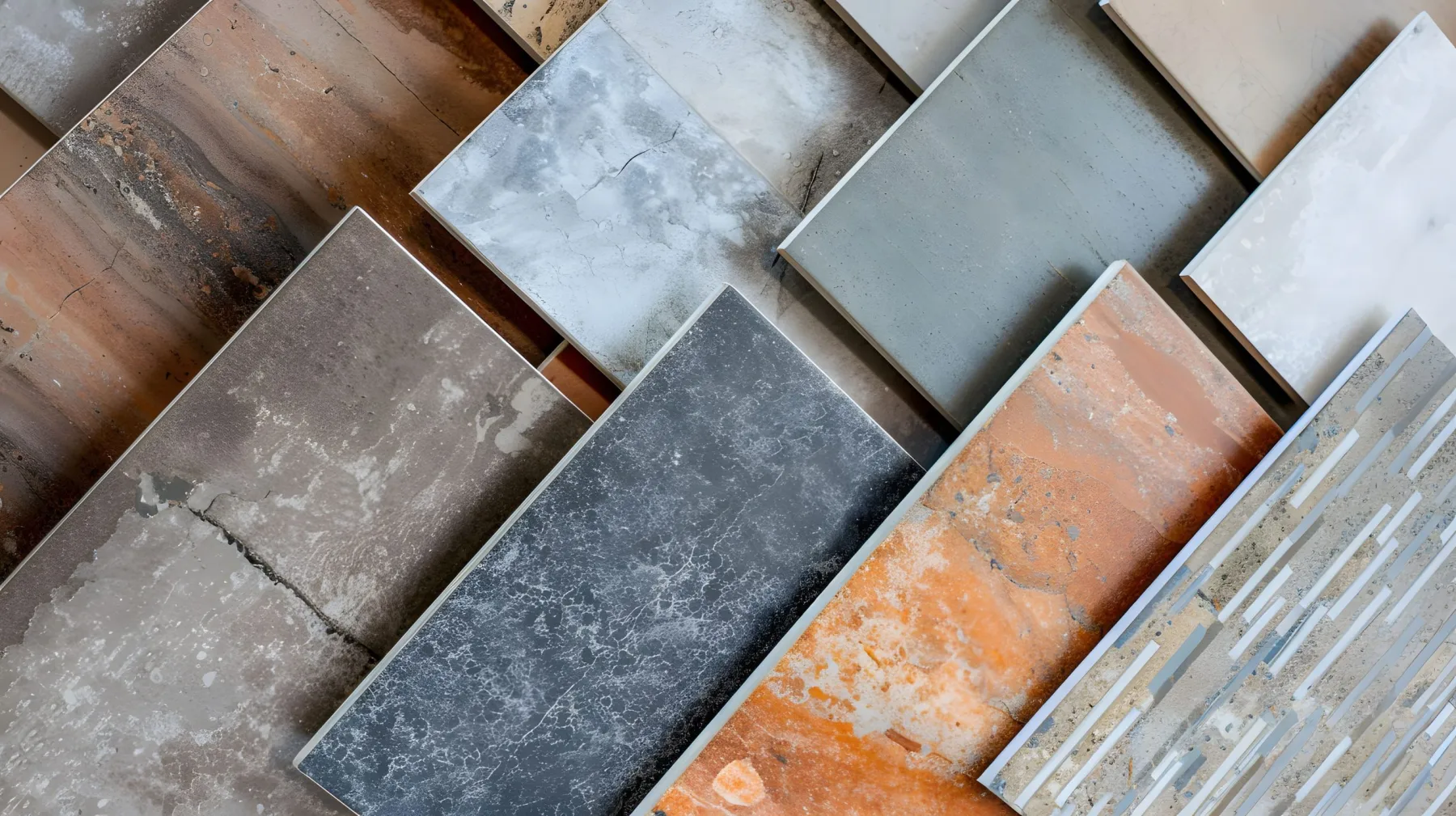
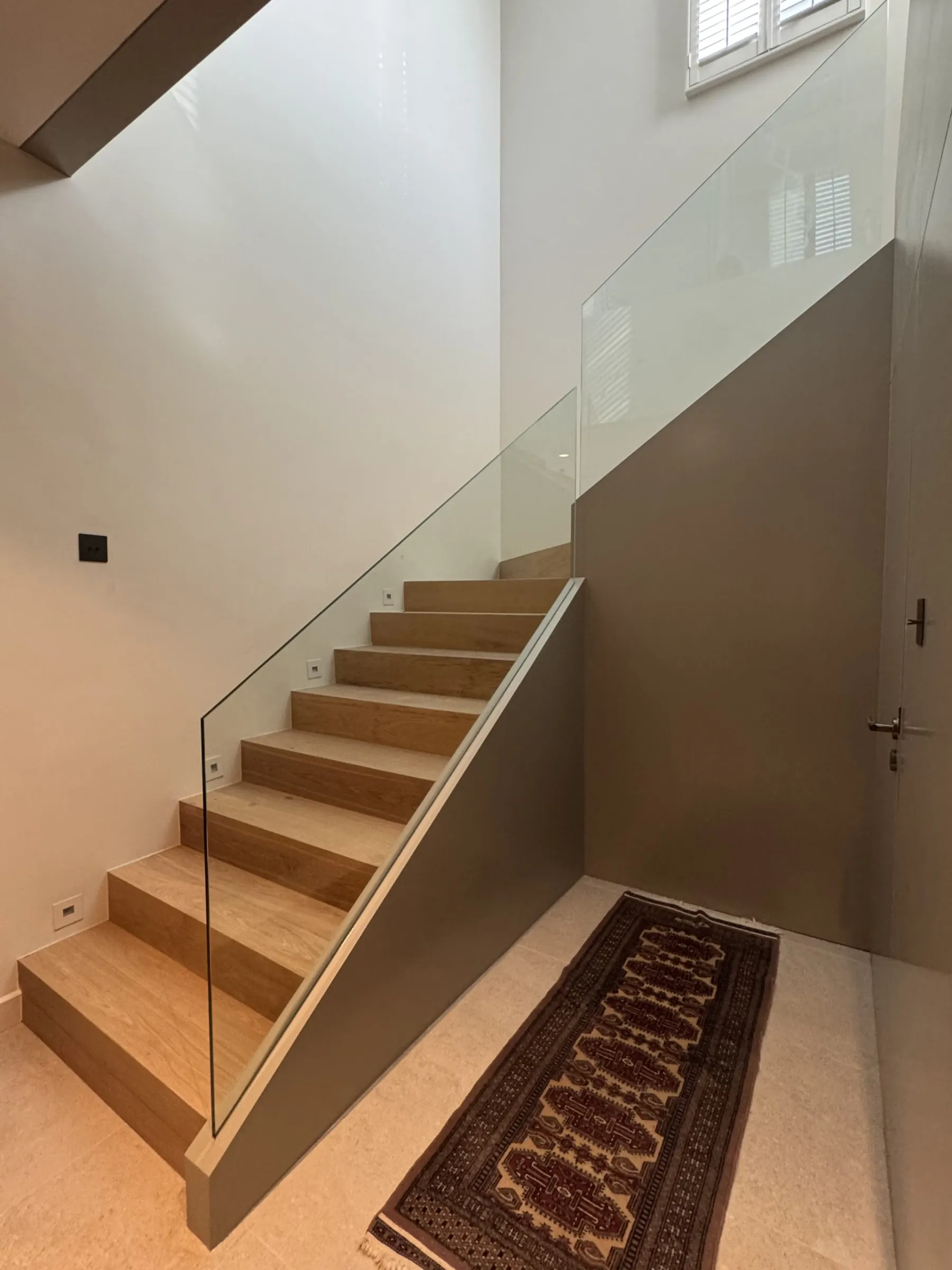
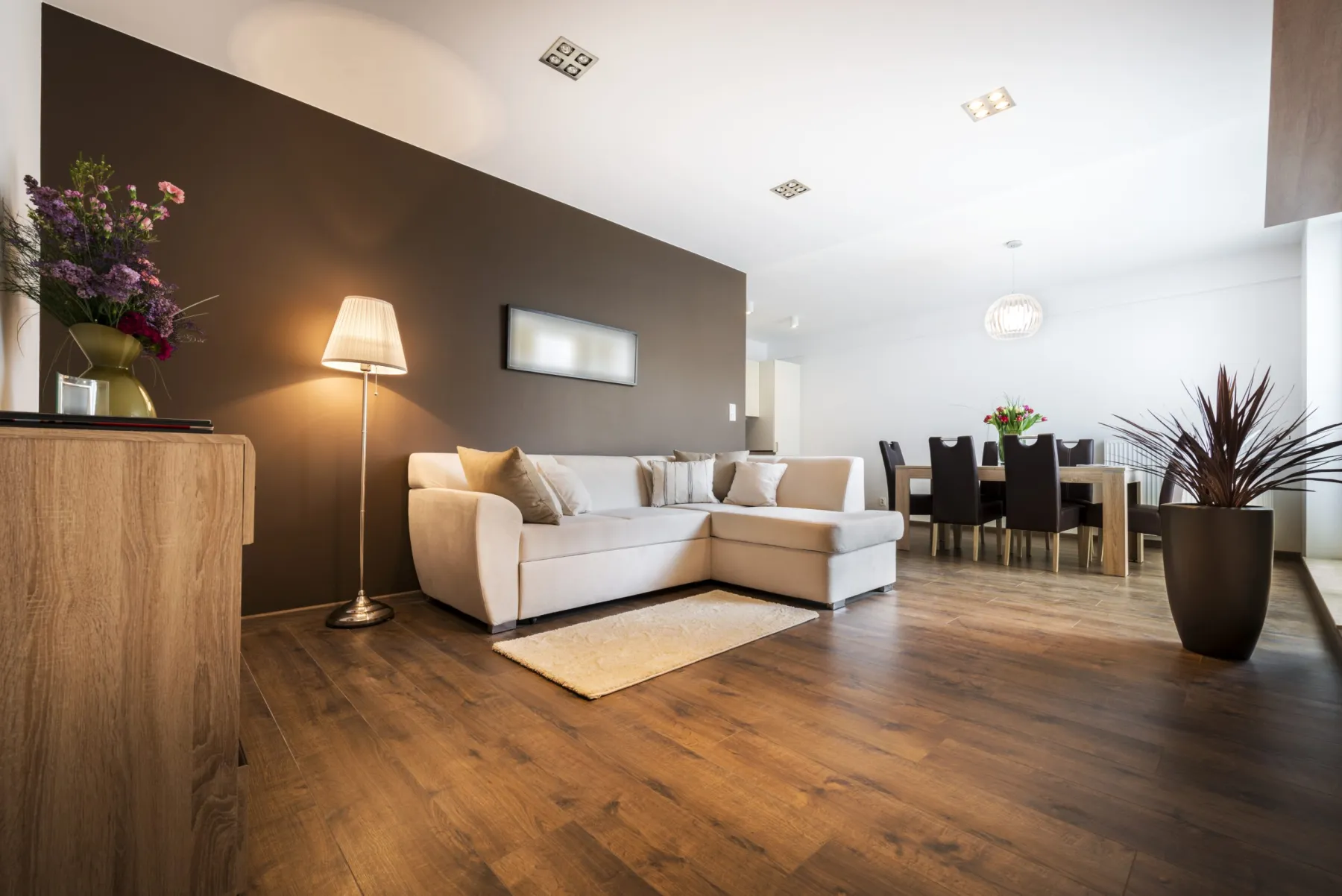
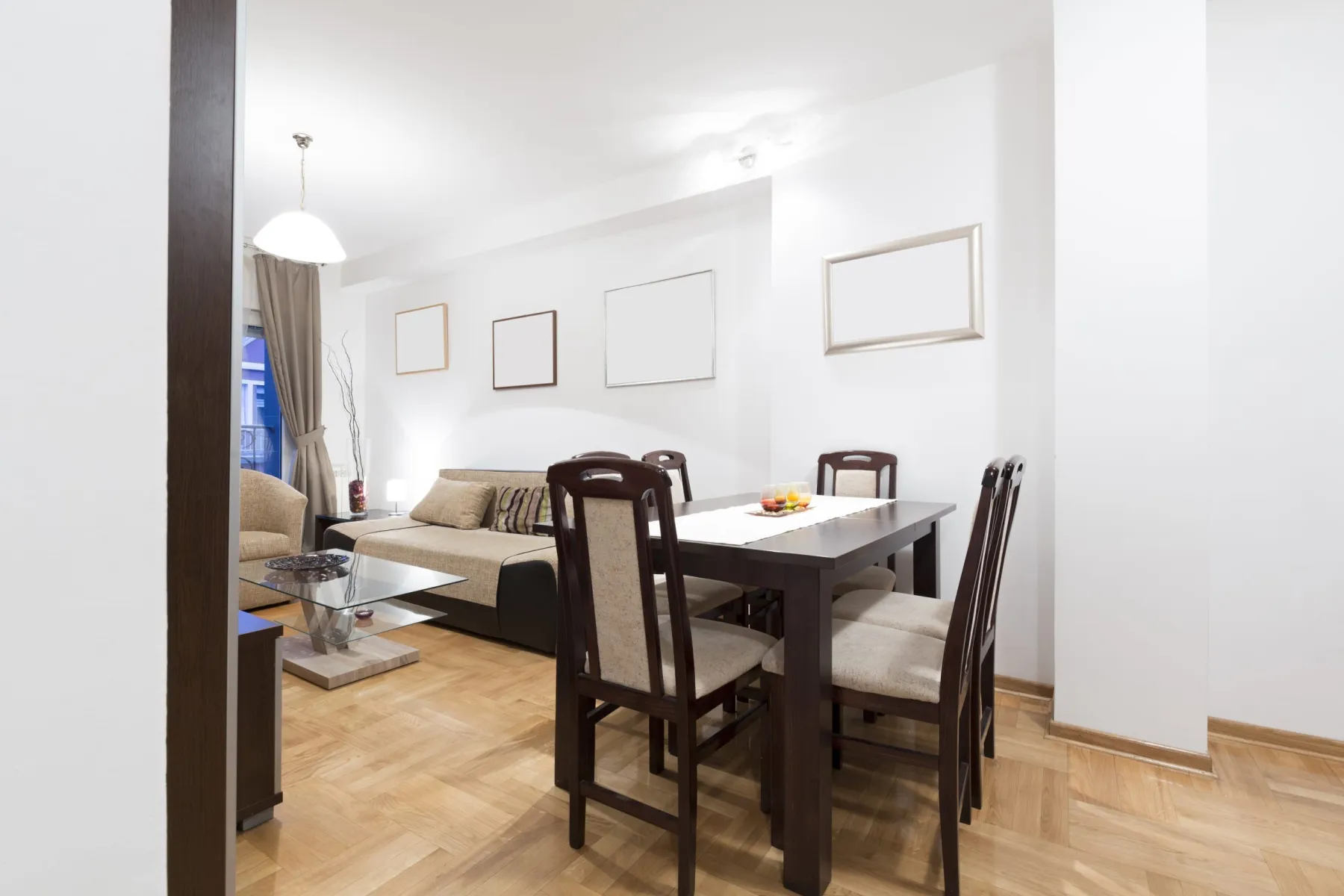
Engineered timber and parquet. Real wood over a plywood core, far more stable than solid board in this humidity. This is what most Dubai villas should use where they want timber. Chevron and herringbone parquet in particular transform a living room, and the setting out — where the pattern centres, how it meets the walls — matters more than the plank itself.
Solid hardwood. Possible, but it moves. It needs a controlled environment and a proper acclimatisation period on site before laying. In a villa that sits empty with the AC off for part of the year, we will steer you to engineered instead and explain why.
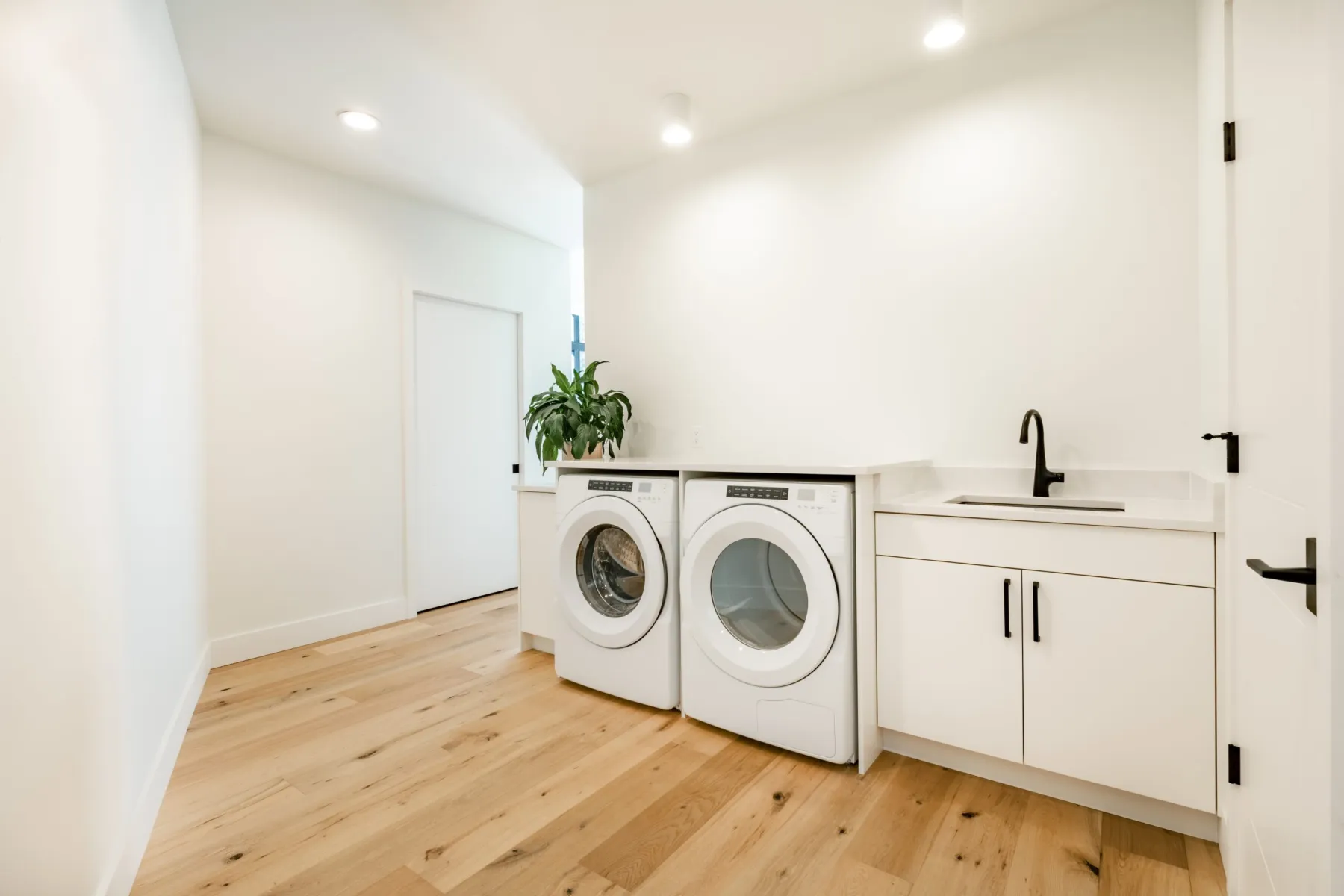
SPC and LVT. The most improved product in the market. Rigid core, genuinely waterproof, quiet underfoot, and good versions are now visually convincing. Excellent for apartments, rental units and anywhere a timber look is wanted without timber’s sensitivity. Cheap versions show the substrate through them, so this is a place where specification matters.
Laminate. Cost-effective and hard-wearing, but it is not waterproof at the joints whatever the packaging claims. Fine for bedrooms and living rooms; not for kitchens, bathrooms or entrances.
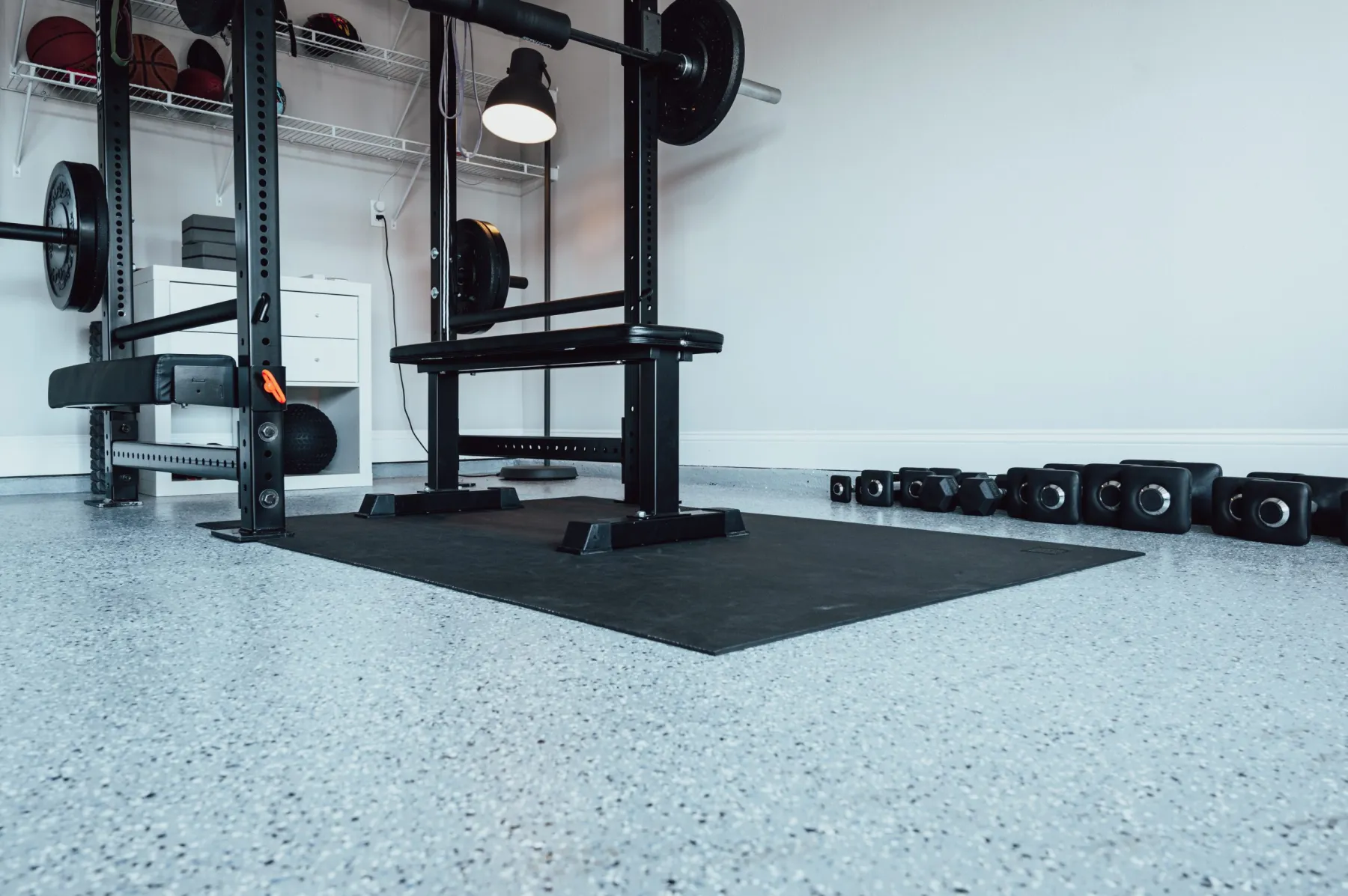
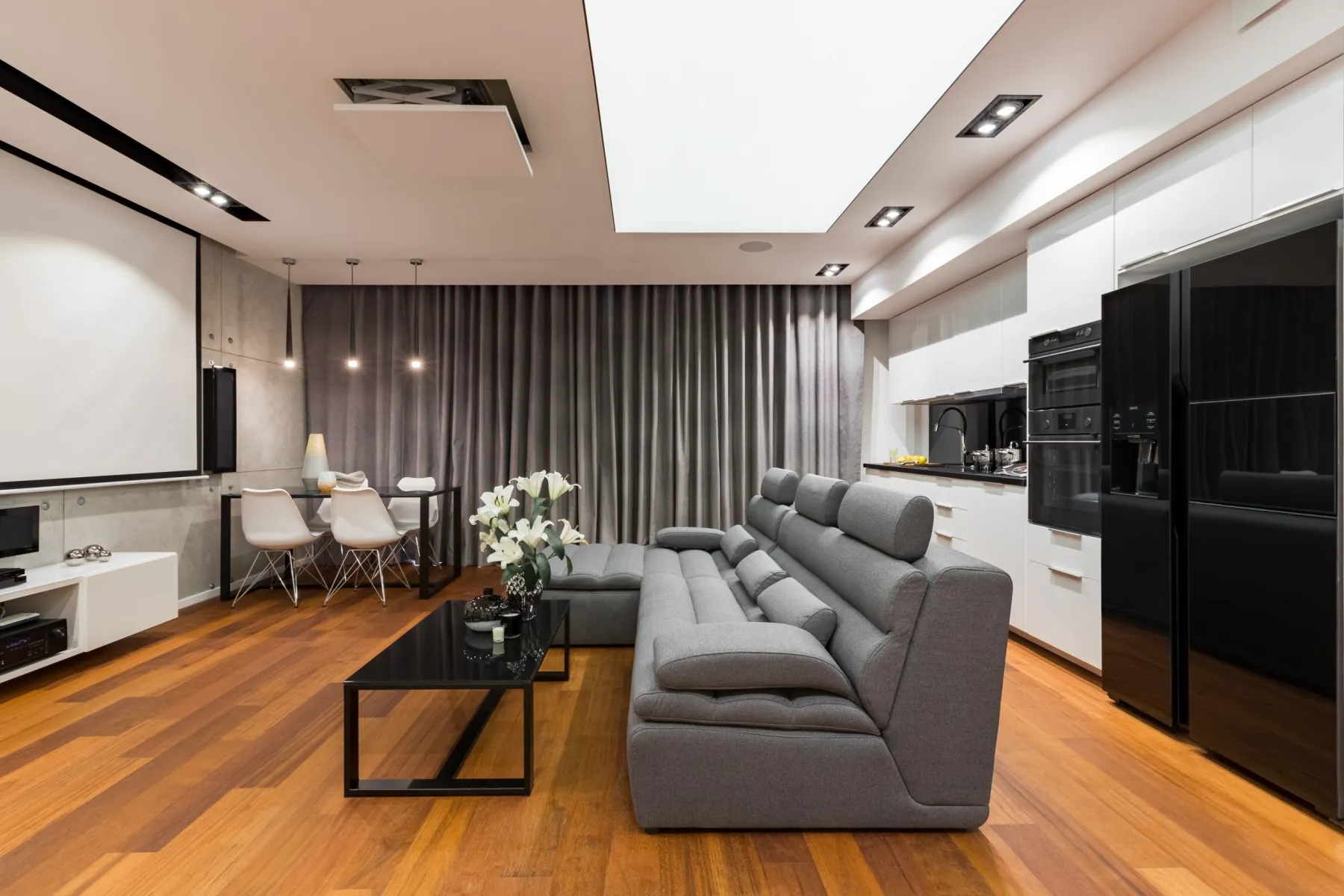
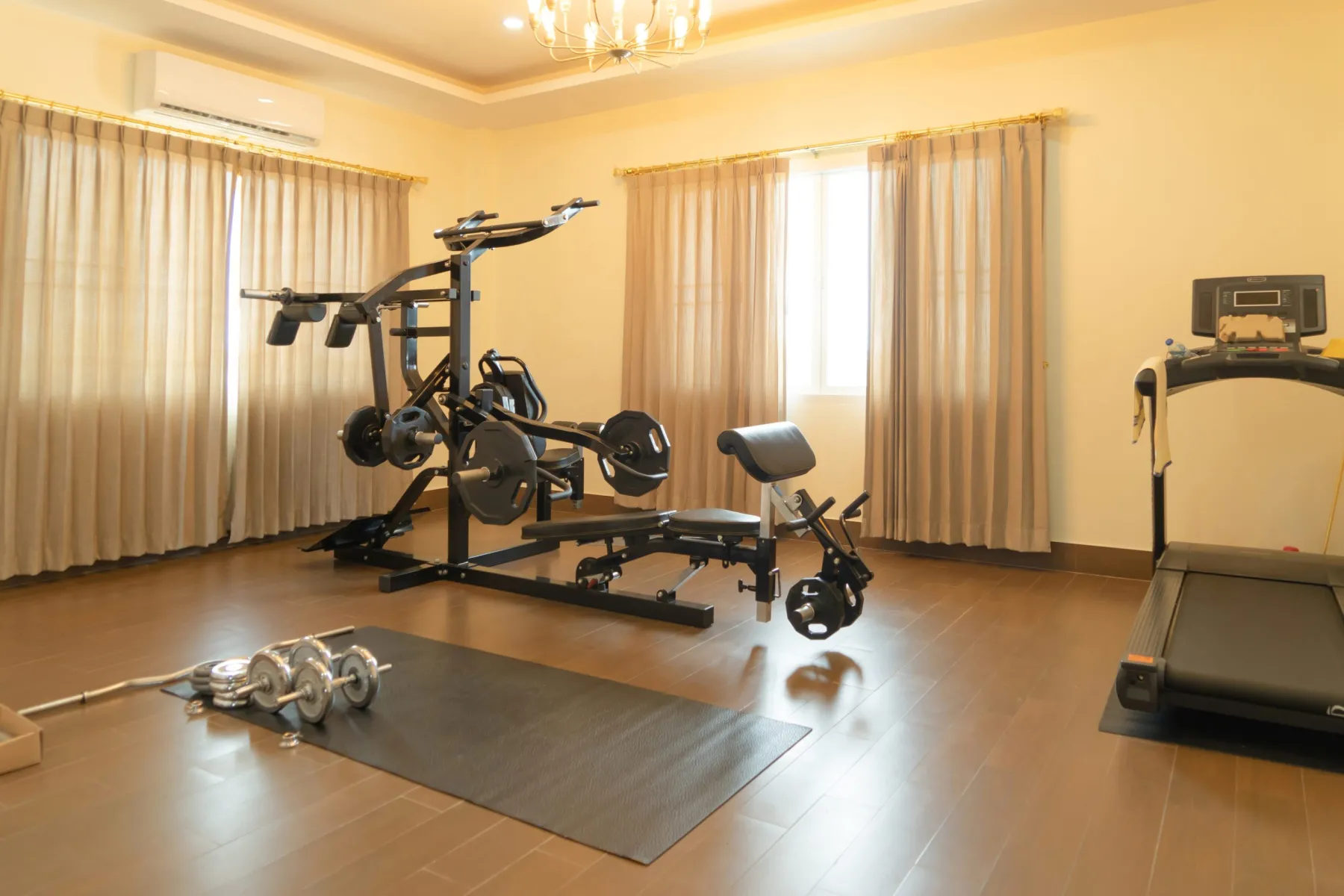
Carpet, rubber and epoxy. Carpet in bedrooms, cinema rooms and offices where acoustics matter. Rubber matting in gyms, laid over a checked and level base because equipment amplifies every dip. Epoxy for garages and plant rooms.
The part of a floor you never see
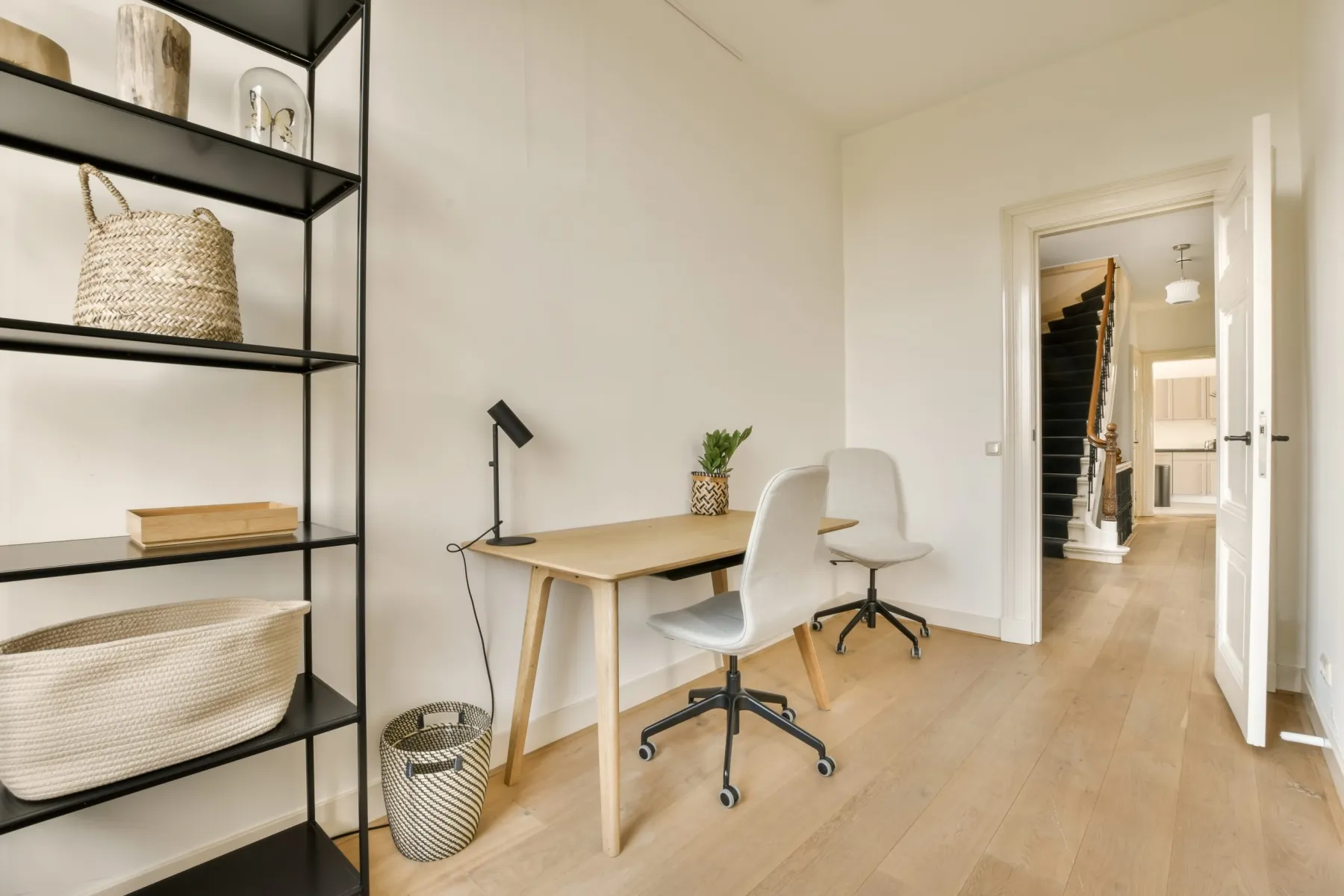
Flatness, measured not eyeballed. We run a two-metre straight edge across the floor in both directions and record the deviations. Large-format porcelain wants better than 3mm over two metres; click-fit SPC and laminate want better than 2mm or the joints work loose over time. Where the existing screed cannot meet it, we price a levelling compound rather than laying over the problem and blaming the tile.
Moisture, in numbers. A slab or screed still holding construction water will wreck an engineered timber or vinyl floor laid over it, and the failure appears months later when nobody connects it to the cause. Readings are taken in several positions before laying. If the floor is not dry we either wait or install a surface damp-proof membrane, and we tell you which.
Soundness. Hollow, cracked or debonded screed has to come out. Tapping a floor tells you a great deal in ten minutes, and it is the check most often skipped because of what it implies for the quotation.
Height budget. Every layer adds height, and doors, thresholds and the shower in an adjoining bathroom all have to still work afterwards. We set the finished floor level at survey and design the build-up backwards from it.
Setting out, expansion and the edges
Two floors of the same material, same price, look completely different. It is always the setting out and the perimeter.
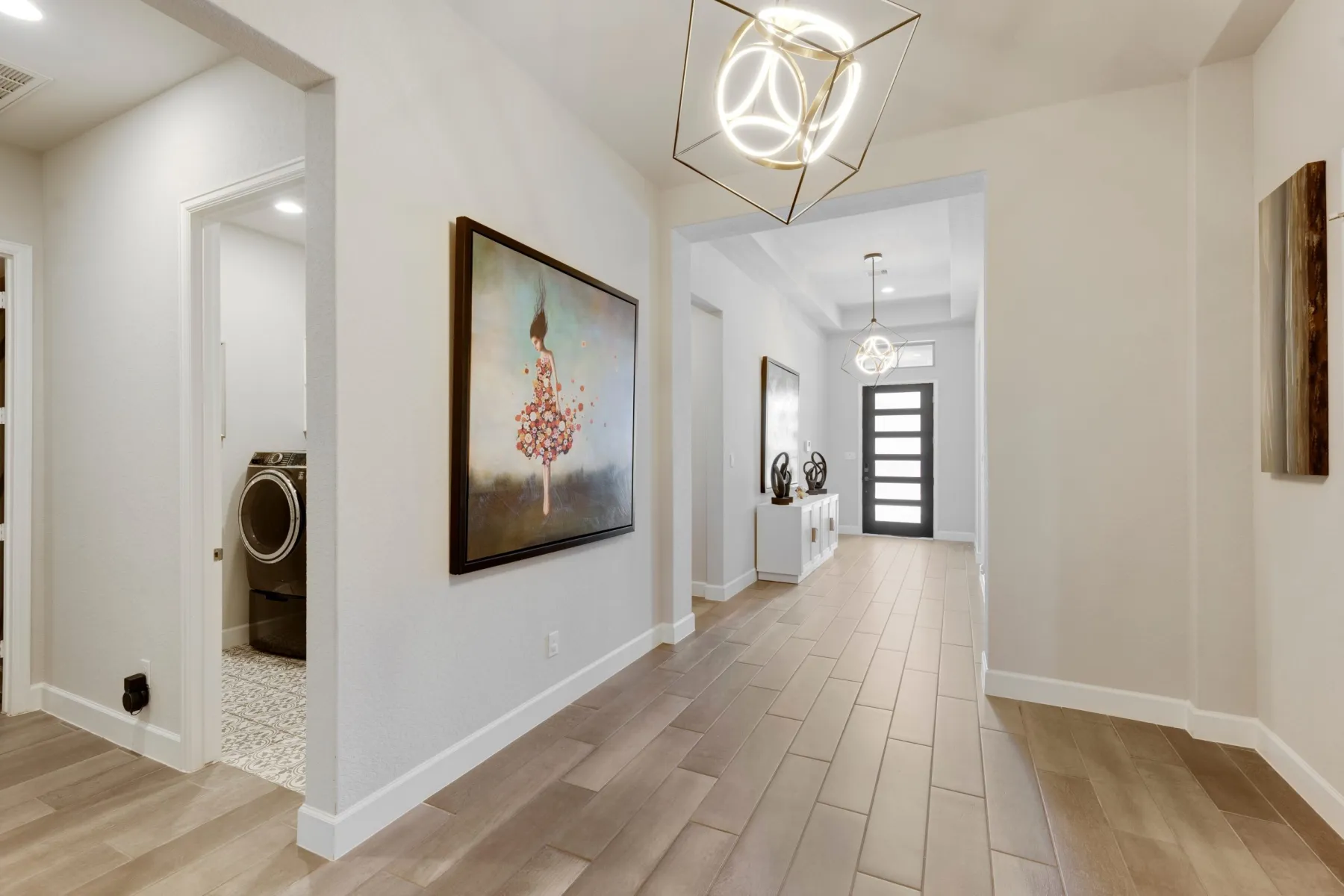
Set out from the visual centre. Starting at a wall and working across means finishing with a sliver against the most visible edge. We set out so cut pieces land where they are least seen, so the grout lines run true to the dominant sightline, and so a full tile or plank meets the doorway you walk through most.
Continuity between rooms. Where the same floor runs through several rooms, the joints should align through the openings rather than restart at each threshold. That is a decision made before the first tile, and it is what makes an apartment read as one space.
Expansion is not optional. Timber, laminate, SPC and LVT all move with temperature and humidity. They need a perimeter gap, covered by the skirting rather than filled with silicone, and an expansion joint on long runs and at doorways. Planks lifting in the middle of a room is almost always a floor that was laid tight to the walls.
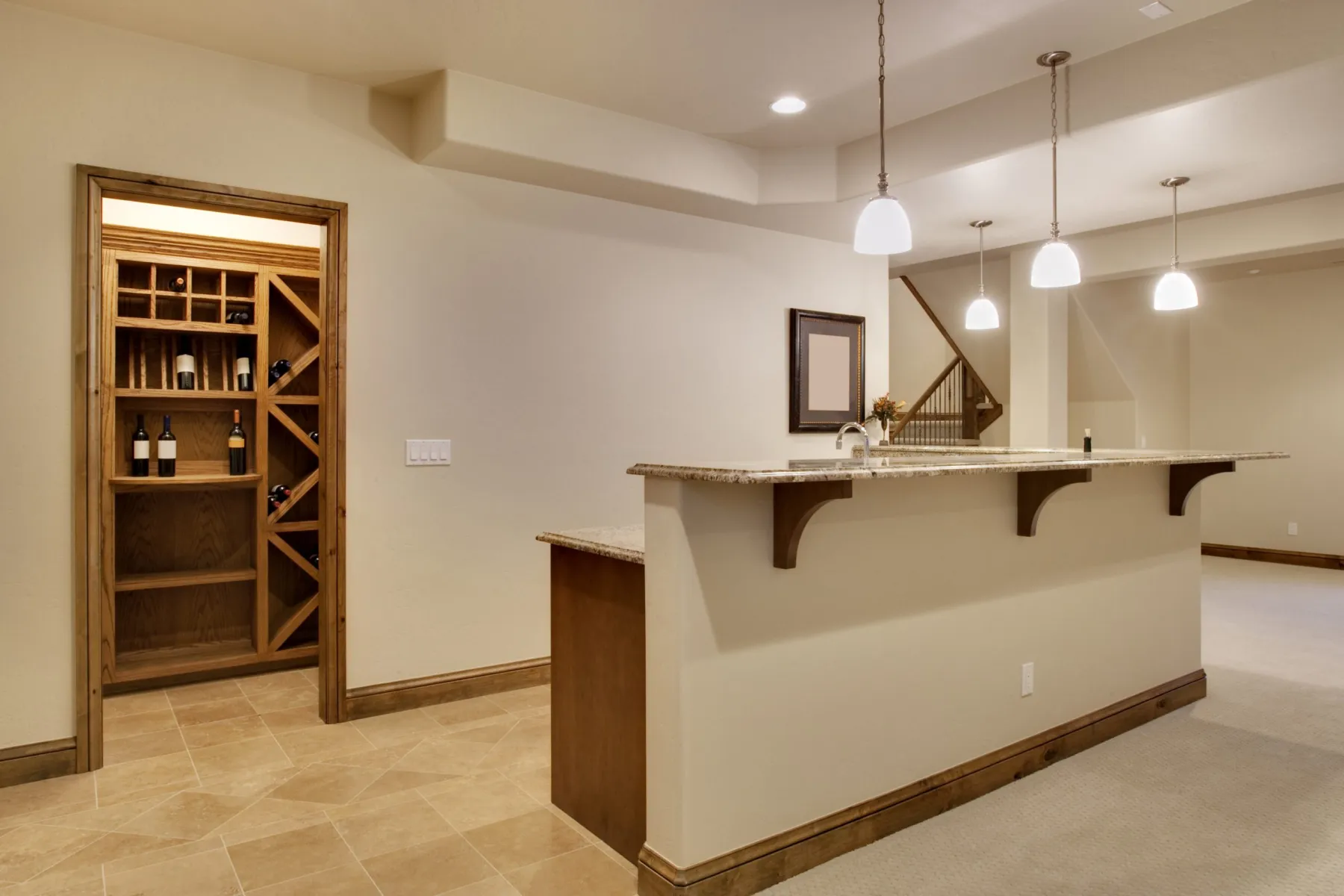
Thresholds detailed, not trimmed. The junction between two materials, or into a bathroom, is where cheap work announces itself. A proper threshold is a stone or metal section set flush and level. A strip of trim screwed over the gap is a repair, not a detail.
Skirting after the floor. Skirting goes on after the floor is laid, so it covers the expansion gap and follows the finished level. Floors laid up to existing skirting always leave a line that has to be filled.
Protection until handover. New floors get covered and stay covered while other trades finish. Most of the damage we are asked to repair on new floors happened after they were laid, during someone else’s second fix.
One to three weeks for a typical apartment
Survey and material selection
Straight edge across the floor, moisture readings, height budget set against doors and thresholds. Then samples in your own light — a tile chosen under showroom lighting rarely reads the same at home.
Lift out and dispose
Existing floor removed and taken away on the days the building permits, with the route protected. Debonded screed comes out here rather than being laid over.
Prepare the substrate
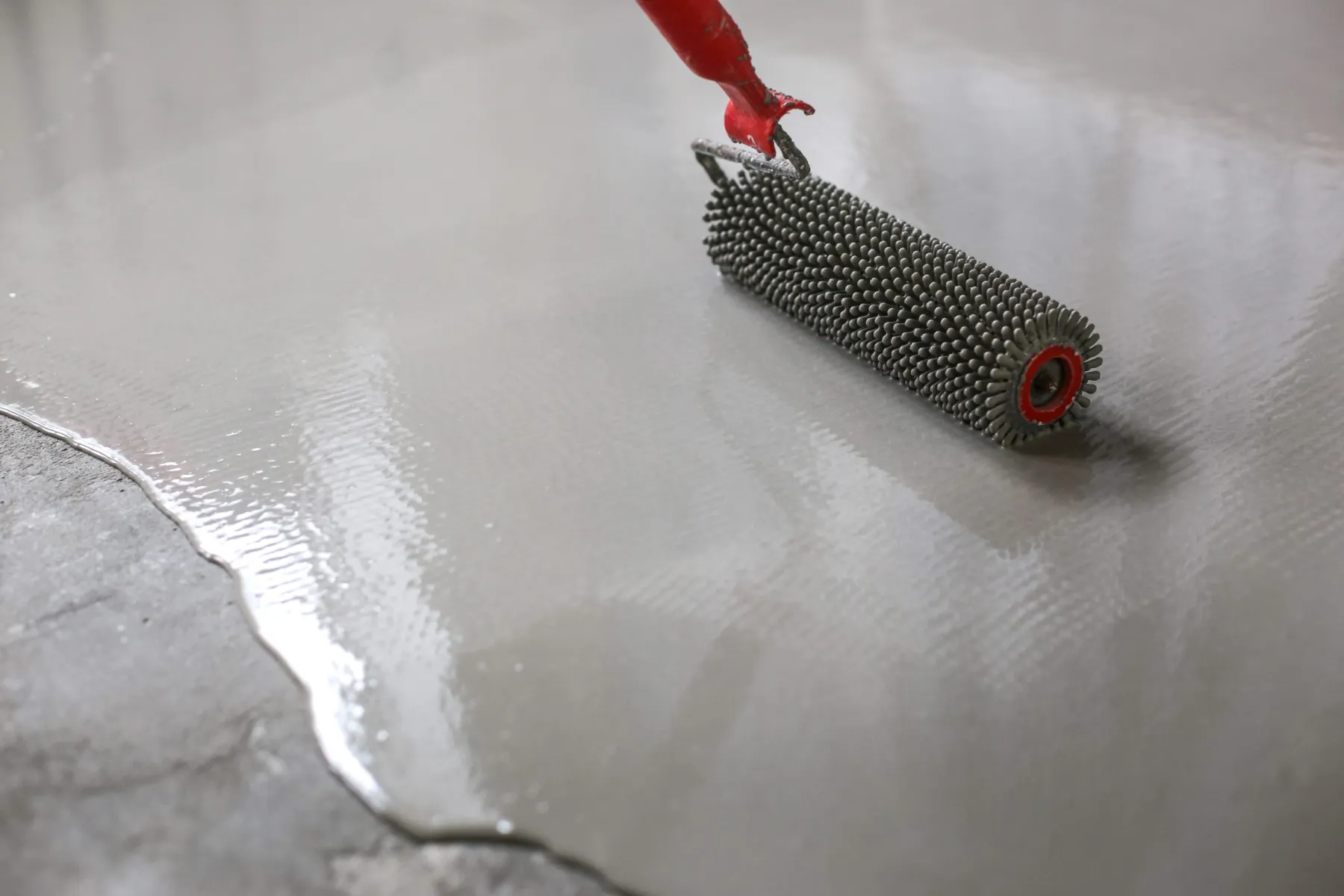
Repair, level and prime. Levelling compound where the deviation demands it, a surface DPM where moisture readings require one. Then it is left to cure properly rather than rushed.
Set out and lay
Dry-laid to confirm the setting out before anything is fixed, then laid with the correct expansion allowance, joints aligned through doorways and cut pieces placed where they are least seen.
Finish, seal and protect
Grouting or sealing as the material needs, thresholds and skirting fitted, then the floor covered and protected until the rest of the works are finished and handover is due.
Flooring prices in Dubai
These are installation rates per square foot. Material is usually supplied by us on a trade account or bought by you — either works, and the labour rate is the same.
| Material | Laying rate | Notes |
|---|---|---|
| Porcelain, standard format | AED 30 – 45 / sq ft | Includes adhesive, grout and setting out |
| Porcelain, large format (900mm+) | AED 45 – 65 / sq ft | Levelling usually required; priced separately |
| Natural stone (marble, granite) | AED 50 – 90 / sq ft | Includes sealing on installation |
| Engineered timber | AED 25 – 45 / sq ft | Glue-down or floating, acclimatised first |
| Parquet (chevron, herringbone) | AED 45 – 80 / sq ft | Setting out is the bulk of the labour |
| SPC and LVT | AED 18 – 30 / sq ft | Click-fit over a level, dry base |
| Laminate | AED 15 – 25 / sq ft | Dry areas only |
| Carpet and carpet tile | AED 14 – 28 / sq ft | Includes underlay and gripper |
| Rubber gym matting | AED 25 – 45 / sq ft | Over a checked and levelled base |
| Epoxy coating | AED 22 – 45 / sq ft | Garages, plant and utility areas |
| Levelling compound | AED 8 – 18 / sq ft | Where substrate deviation requires it |
| Lift out and dispose existing floor | AED 8 – 16 / sq ft | Higher for bedded stone or tile on screed |
A quotation that omits substrate preparation is not cheaper — it has simply moved that cost to a variation once the old floor is up and the condition is visible. Ask for levelling and moisture testing to appear as their own lines, even if they come out at zero after survey.
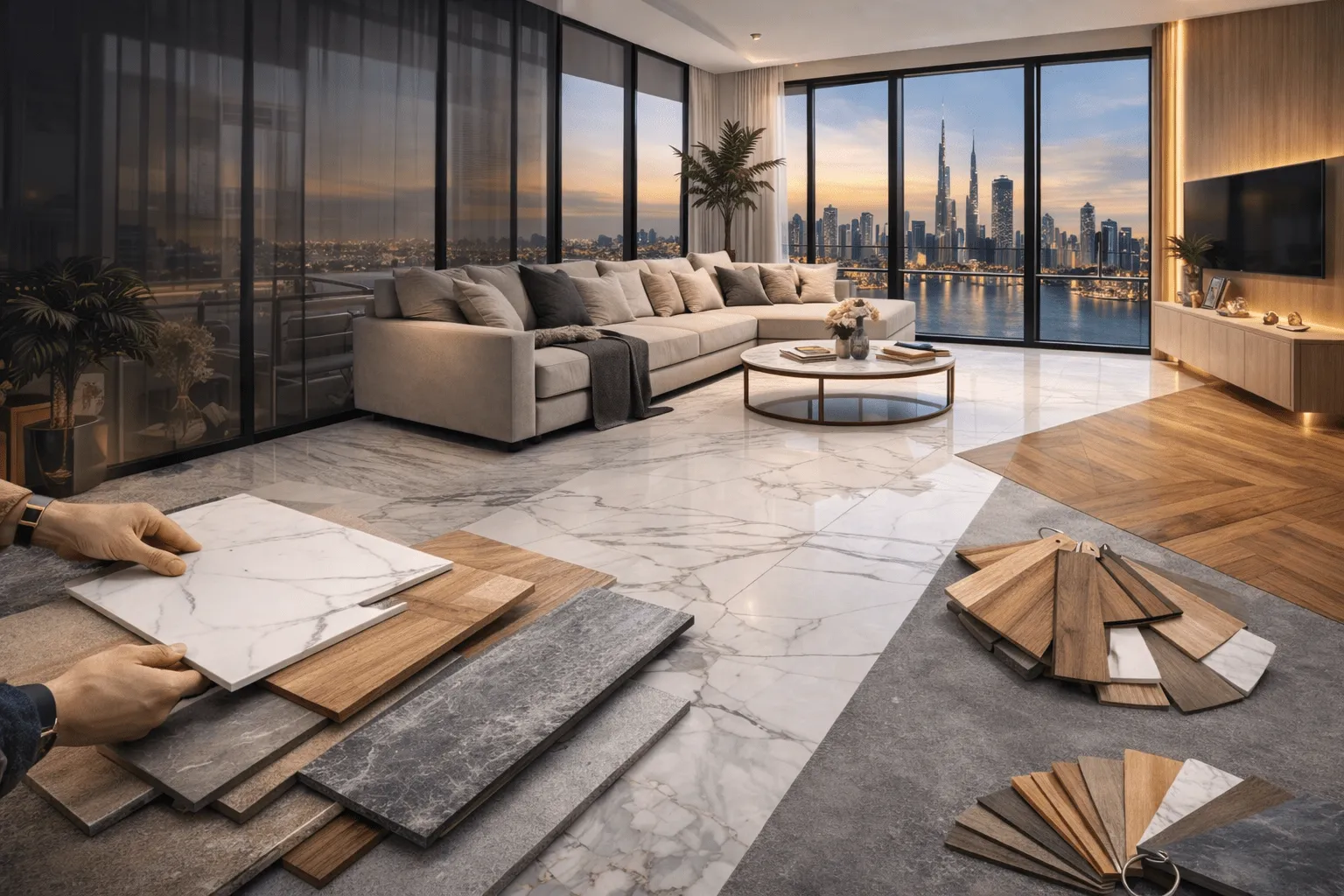
How to pick a floor you will still like in year six
Flooring is the largest single surface in a property and the most disruptive to change. A few practical rules from forty years of replacing floors that were chosen badly.
See the sample in your own light, on the floor. Dubai daylight is strong and warm, and a tile that looked grey in a showroom frequently reads beige at home. Take the largest sample you can, lay it on the floor in the actual room, and look at it at three times of day before committing.
Mid-tones hide life. Very dark floors show every footprint and speck of dust; very light ones show every mark. A mid-tone with some variation in the pattern is the most forgiving choice in a family home, and it is why it is the most common request we get from clients on their second renovation.
Fewer materials, not more. One floor running through the living, dining and circulation areas makes an apartment feel considerably larger. Changing material at every doorway chops it up and adds a threshold detail each time. Save the change for genuinely different rooms — bathrooms, bedrooms, the gym.
Match the material to the room, not the mood board. Laminate is not for a kitchen. Solid timber is not for a villa that sits empty with the AC off. Polished marble is not for a stair tread. These are the three substitutions we most often talk clients out of, and in each case the material itself is excellent somewhere else.
Buy ten per cent extra and keep it. Cuts and waste are normal, and having the same batch available in five years when something gets damaged is worth far more than the cost of a box. Dye lots and production runs change; we leave the spare boxed in a cupboard and note the batch number on your handover documents.
Ask about slip resistance in wet areas. A polished porcelain that is beautiful in a living room is genuinely dangerous on a wet bathroom floor. There are rated finishes for wet areas and we specify them rather than leaving it to chance.
Think about noise if you are above someone. Many Dubai buildings require acoustic underlay under hard floors in apartments, and the building will ask for it at NOC stage. It is inexpensive when planned and impossible to add later.
Floors that take a thousand people a day
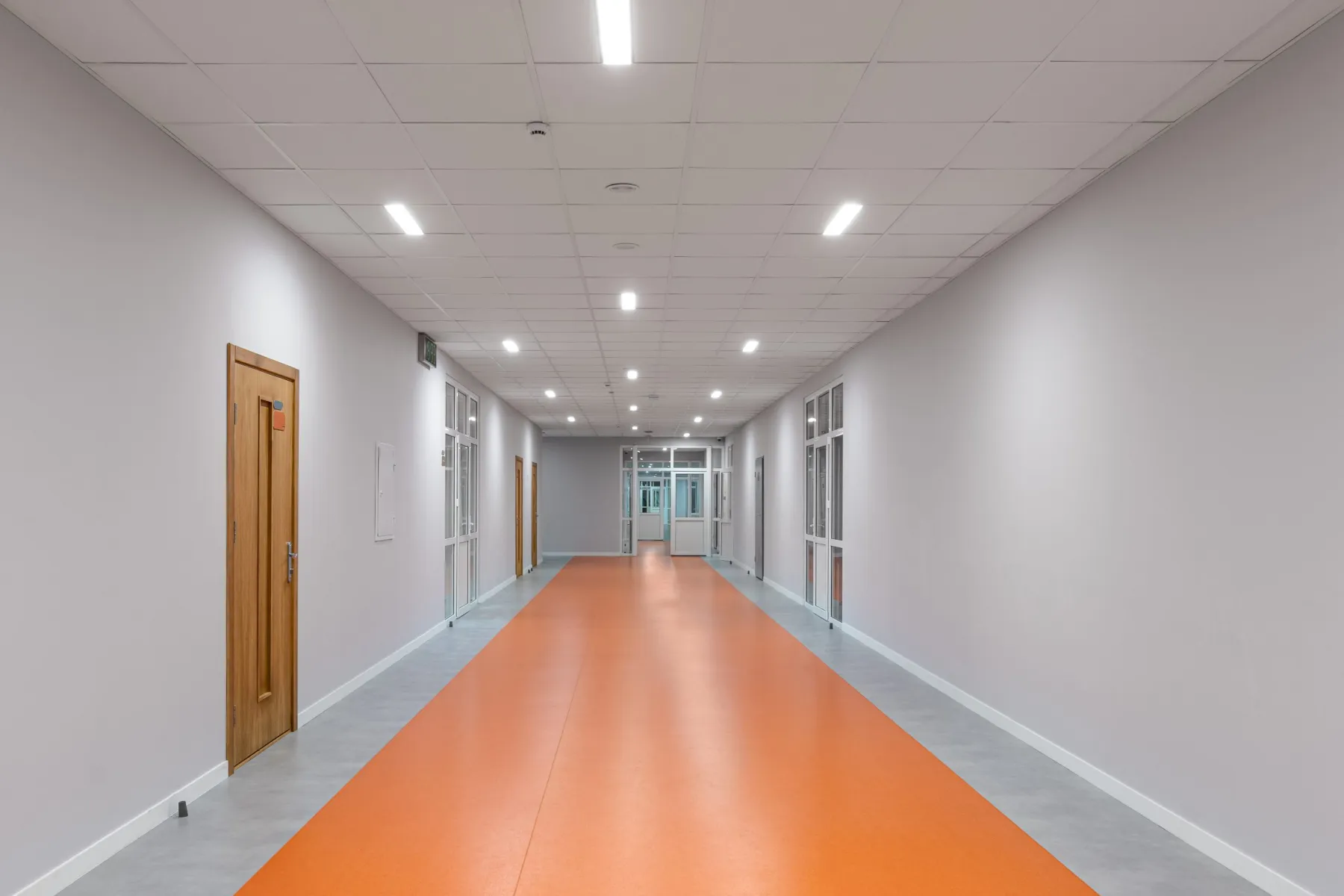
Commercial floors are specified against traffic, slip rating and downtime rather than against a mood board. The materials overlap with residential work; almost nothing else does.
Traffic rating drives the choice. A porcelain rated for domestic use will wear visibly in a retail entrance within a year. Commercial areas need the appropriate abrasion class, and circulation routes need it more than the back of a shop. We specify by zone rather than laying one product throughout and hoping.
Slip resistance is a legal and practical matter. Entrances that get wet in the rare Dubai rain, kitchen floors, wet rooms in a spa and pool surrounds all need a rated finish. This is not an area to compromise for appearance, and we will say so.
Downtime is the real cost. For a trading business the flooring bill is usually smaller than the revenue lost while the unit is closed. Carpet tile and LVT can go down overnight in phases; large-format stone cannot. We plan the material and the phasing around your trading hours, and we work nights where the landlord allows it.
Repairability matters more than in a home. Carpet tile and LVT plank can be swapped individually when something is damaged or stained. Sheet material and poured finishes cannot. For a busy unit that difference is worth more over five years than the initial saving on the cheaper option.
Acoustics in offices and schools. Hard floors in open-plan space create an intelligibility problem that the ceiling then has to solve. Carpet tile over circulation and desk areas is often the cheapest acoustic intervention available, and it is decided at flooring stage rather than after complaints start.
Reinstatement at lease end. Landlords frequently require the original floor back. We photograph and record the existing condition before we lift anything, so make-good at the end of your lease is a known quantity rather than a dispute.
Flooring in Dubai
How much does flooring cost in Dubai?
Installation runs AED 18 to 30 per square foot for SPC and LVT, AED 30 to 45 for standard porcelain, AED 45 to 65 for large-format porcelain, AED 25 to 45 for engineered timber and AED 50 to 90 for natural stone. Levelling and removing the old floor are priced separately.
How long does a floor take?
One to three weeks for a typical apartment, including lifting the old floor, preparing the substrate and allowing curing time. The preparation is usually longer than the laying.
Can you lay a new floor over the existing one?
Sometimes, and it saves time and dust. It depends on the existing floor being sound and well bonded, and on the height budget — doors, thresholds and bathroom levels all have to still work. We check both at survey and tell you honestly which is the better route.
What is the best flooring for Dubai?
Porcelain for most areas on cost, durability and indifference to heat and humidity. Engineered timber or good SPC where you want a timber look. Solid hardwood only in a property kept at a stable temperature year-round.
Why is my timber floor cupping or lifting?
Usually moisture in the substrate, or no expansion gap at the perimeter. Both are avoidable at installation and neither can be repaired without lifting the affected area. We take moisture readings before laying for exactly this reason.
Do I need building approval to change flooring?
A building or community NOC in most cases. Many Dubai towers also require acoustic underlay under hard floors in apartments and will ask for the specification. We handle the submission as part of the job.
Do you supply the material or do I?
Either. We buy on trade accounts, which is usually cheaper, and we name the product on the quotation. If you would rather buy your own, we will lay it and price the labour only.
Can you repair rather than replace a floor?
Often. Individual damaged tiles or planks can be lifted and replaced if spare material exists, and timber floors can frequently be sanded and refinished rather than removed. We will tell you when that is the better option.
Book a free flooring survey
We will check the flatness and the moisture, tell you what your height budget allows, and quote the preparation and the laying as separate lines — so you can see exactly what you are paying for.